








































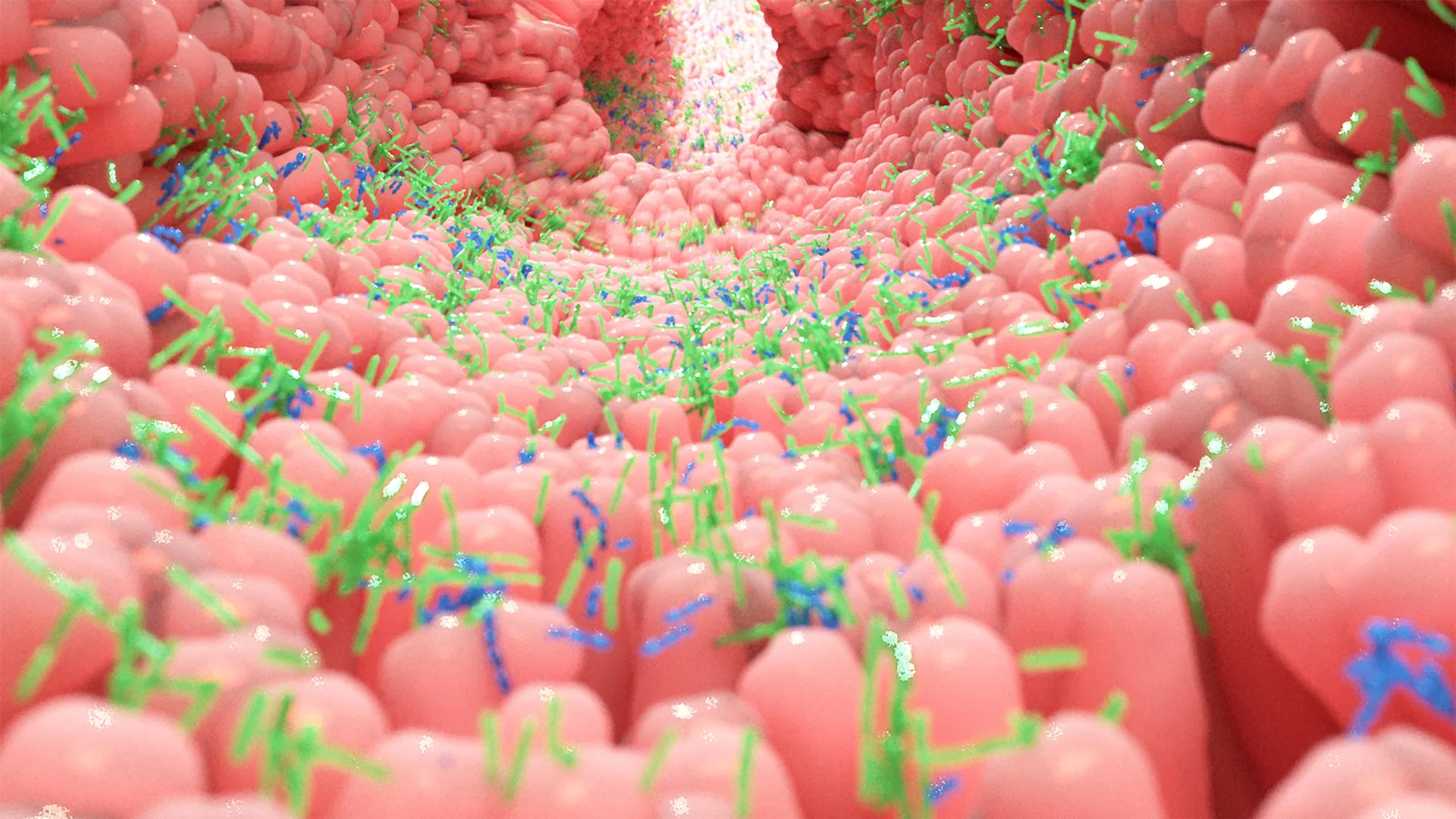
A significant study conducted by researchers at the University of Cambridge has uncovered that a total of 168 widely used chemicals can negatively impact beneficial gut bacteria. This research, published on January 5, 2026, highlights the potential health risks associated with chemicals commonly found in pesticides and industrial products, many of which were previously thought to have no effect on living organisms.
The comprehensive laboratory analysis examined 1,076 different chemical contaminants and found that many can inhibit the growth of essential microbes residing in a healthy human gut. These bacteria play crucial roles in maintaining overall health, and their disruption can lead to various health issues, including digestive problems, obesity, and weakened immune responses.
Concerns Over Antibiotic Resistance
The study reveals that exposure to these chemicals may cause gut bacteria to adapt in ways that raise concerns about antibiotic resistance. Specifically, some bacteria developed mechanisms that made them resistant to antibiotics like ciprofloxacin. If similar adaptations occur within the human body, treating infections could become increasingly challenging.
Among the harmful substances identified were common pesticides used in agriculture, such as herbicides and insecticides, alongside industrial chemicals found in products like flame retardants and plastics. The human gut microbiome contains approximately 4,500 different bacterial species, and their health is vital for various bodily functions. Disruption of this delicate balance can have far-reaching implications for individual health.
Reassessing Chemical Safety Standards
Current chemical safety evaluations often fail to consider the gut microbiome, focusing instead on specific targets like insects or fungi. Dr. Indra Roux, the study’s lead author and a member of the MRC Toxicology Unit at the University of Cambridge, emphasized the surprising effects of these chemicals, stating, “We were surprised that some of these chemicals had such strong effects.”
The research team developed a machine learning model to predict the potential harm of industrial chemicals to gut bacteria. Professor Kiran Patil, senior author of the study, noted that this model could pave the way for a future in which chemicals are designed with safety in mind.
Dr. Stephan Kamrad, another researcher involved in the study, stressed the importance of ensuring new chemicals are safe for gut bacteria, which could be exposed through food and water. The findings indicate a pressing need for a paradigm shift in how chemical safety is evaluated.
While this study provides valuable insights, there remains a lack of comprehensive data on how environmental chemicals affect the gut microbiome in real-world situations. The researchers suggest that future studies must track chemical exposure throughout the body to determine its effects accurately.
Patil remarked, “Now we’ve started discovering these interactions in a laboratory setting; it’s important to start collecting more real-world chemical exposure data.” Until more is understood, simple preventive measures such as washing fruits and vegetables and limiting pesticide use in home gardens are recommended to help reduce exposure.
The implications of this research extend beyond academic interest, as it underscores the interconnectedness of environmental chemicals and human health. As awareness of these potential risks grows, it becomes increasingly essential to reconsider existing safety assessments and prioritize the health of our gut microbiomes.
























