








































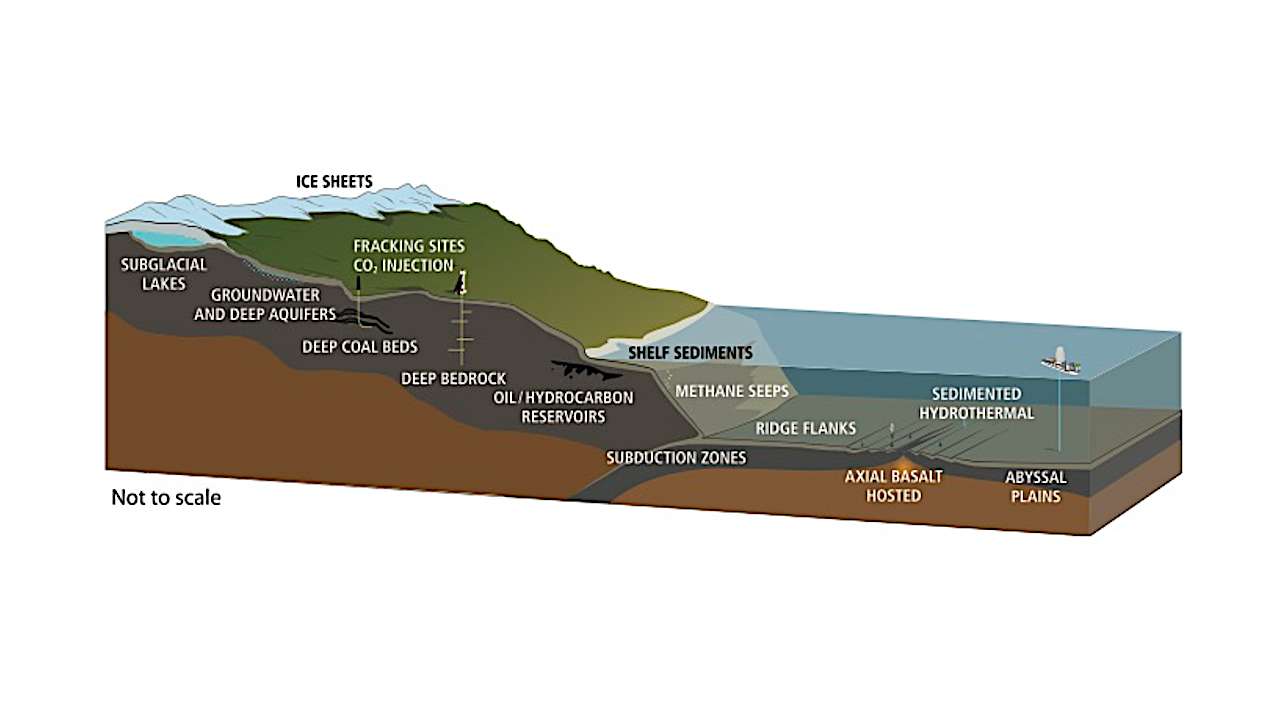
The field of subsurface microbiology is evolving, shifting focus from simply identifying microbial inhabitants to understanding their roles and the processes that regulate life beneath the Earth’s surface. This shift is crucial, as the activities of subsurface microorganisms are integral to addressing pressing societal issues, including climate change mitigation and waste storage solutions. Despite their importance, opportunities for subsurface sampling and funding have seen significant limitations, threatening future exploration efforts.
Current Challenges in Subsurface Microbiology
Research in subsurface microbiology has historically aimed to establish a baseline understanding of microbial communities. Today, scientists are increasingly interested in how these microorganisms function and their contributions to key processes. According to experts in the field, this understanding is essential for developing effective strategies to tackle environmental challenges. For instance, the natural processes mediated by these microorganisms can play a vital role in carbon sequestration, which is critical for climate change mitigation.
Despite the clear benefits, funding and opportunities for research in this area are dwindling. Many projects have faced budget cuts or lack of support, hindering the progress of important scientific inquiries. This perspective article targets not only researchers with an interest in geomicrobiology but also funding agencies and professionals within the extractive and waste disposal industries, urging them to recognize the significance of subsurface microbiology.
Proposed Actions for Advancement
To ensure the future of subsurface microbiology, several actions are proposed to enhance research and exploration efforts. Engaging early-career microbiologists in drilling projects is paramount. These individuals bring fresh perspectives and innovative ideas, which can benefit ongoing and future exploration initiatives. Increasing access to drilling opportunities through partnerships with industry stakeholders can also facilitate more extensive research.
Another recommendation is the establishment of microbiology-led drilling projects. By prioritizing microbiological insights during the planning stages, researchers can better align drilling efforts with the specific needs of subsurface microbiology. Interdisciplinary collaborations are essential, as they enable scientists from different fields to work together, fostering a comprehensive approach to subsurface exploration.
As society grapples with the necessity of sustainable waste management and climate change solutions, the role of subsurface microorganisms becomes increasingly critical. The potential for these microorganisms to contribute to environmental sustainability cannot be overstated, and the scientific community must advocate for enhanced funding and support.
In conclusion, the future of subsurface microbiology hinges on renewed investment and collaborative efforts. By acknowledging the importance of this field and supporting its expansion, stakeholders can play a vital role in addressing some of the most pressing challenges faced by our society today.
























