








































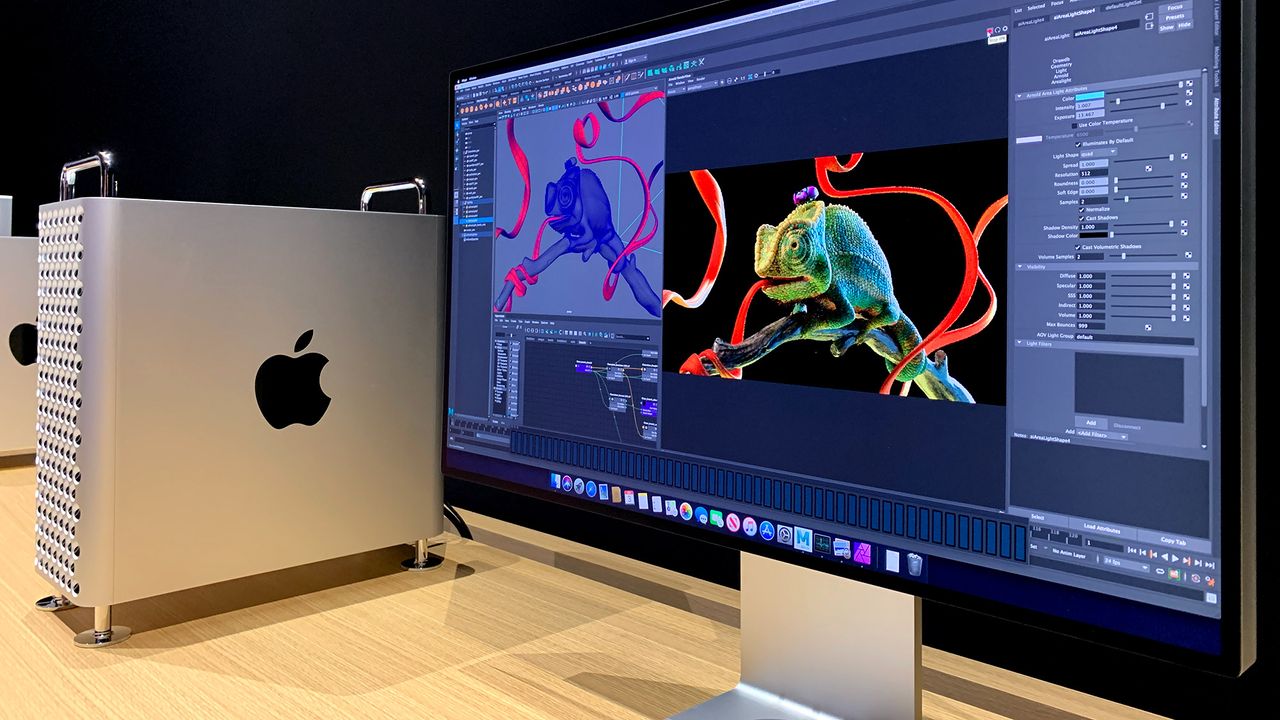
Many Mac users experience a slowdown in performance over time, but there are effective ways to restore speed without incurring costs. Several simple adjustments can enhance your Mac’s performance, ensuring it runs as smoothly as it did when first purchased. Keeping your operating system updated, such as downloading the latest version of macOS Tahoe, is crucial. Regular updates help eliminate bugs that may contribute to sluggishness. Here are five free methods to rejuvenate your Mac’s speed.
Manage Login Items
When you power on your Mac, delays can occur if numerous applications are set to launch automatically. To streamline this process, check your Login items. Navigate to the Apple menu, select System Settings, and click on General in the left sidebar. Then, choose Login Items & Extensions. Review the applications listed under Open At Login; if any are unnecessary during startup, select them and click the “—” button to remove them. This simple step can significantly reduce boot time.
Remove Unnecessary Files
Over time, accumulated files can consume valuable storage and slow down your Mac. Temporary, redundant, and duplicate files often take up space you need for essential applications. To identify these files, go to the Apple Menu, select System Settings, click General, and then choose Storage. You will see how much space is occupied by various apps and documents. Click on Large Files to pinpoint significant offenders, and delete any that are no longer needed. Additionally, consider clearing the cache regularly to free up more space.
Close Excessive Browser Tabs
Having multiple browser tabs open can significantly drain your Mac’s resources. Each tab consumes CPU power and RAM, which can lead to slow performance. The solution is straightforward: close any tabs that are not in use. In conjunction with this, clearing your browser cache can further improve speed. For instance, in Safari, you can enable the Develop menu by selecting Settings, then Advanced, and checking the box for Show Features for Web Developers. From there, select Empty Caches to clear unnecessary data.
Check Resource-Hungry Processes
Certain applications demand considerable CPU power, leading to frustrating slowdowns represented by the infamous spinning “beachball.” To identify these resource-intensive processes, open the Activity Monitor. This can be found by clicking the Apps app in the Dock and typing Activity Monitor. Here, you will see a list of running processes along with their CPU and memory usage. If any process is consuming an excessive amount, select it and click the X icon in the top bar to quit or force-quit the application, thus freeing up resources.
Turn Off Visual Effects
Visual effects can contribute to sluggish performance, especially on older Macs or those with limited resources. To enhance speed, you may want to limit or disable these effects. Start by clicking the Apple menu, selecting System Settings, and navigating to Accessibility. Under Display, enable Reduce Transparency to substitute semi-transparent elements with solid backgrounds. Then, click on Motion to enable Reduce Motion, dim flashing lights, and disable auto-play for animated images. These adjustments can significantly enhance your Mac’s responsiveness.
Implementing these five strategies can lead to noticeable improvements in your Mac’s performance. By managing login items, removing unnecessary files, closing excess browser tabs, monitoring resource usage, and turning off visual effects, you can effectively breathe new life into your device. Regular maintenance and updates are key to ensuring that your Mac continues to perform at its best.
























