








































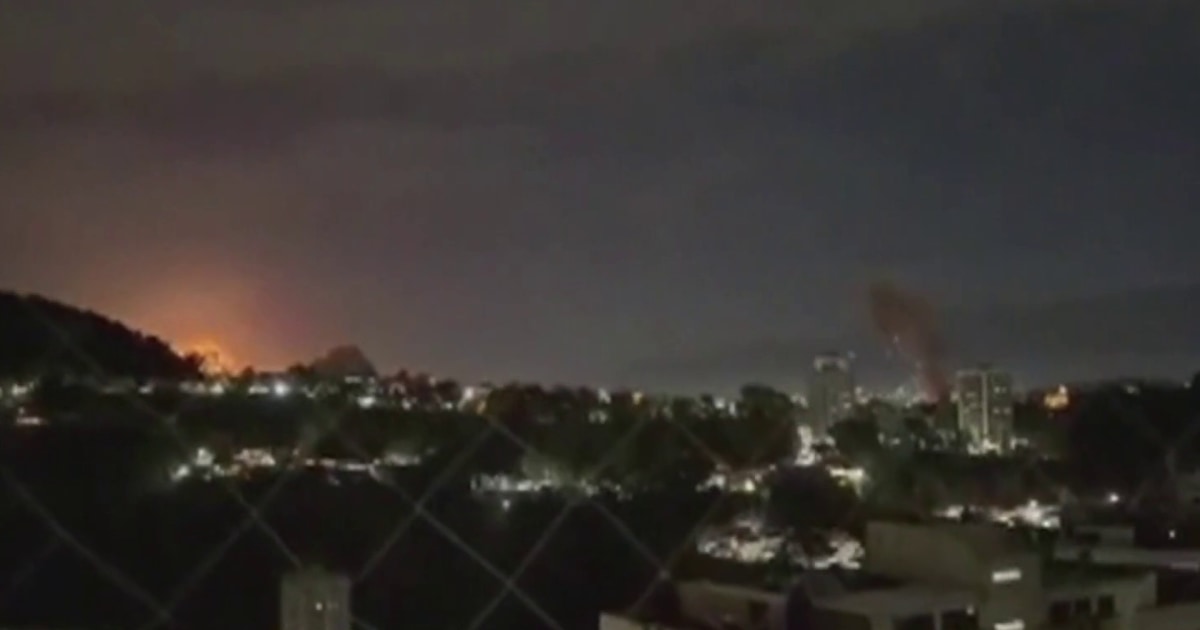
The recent military actions taken by the United States in Venezuela have sparked significant international attention, raising questions about potential responses from global powers such as Russia and China. On January 3, 2026, U.S. forces conducted strikes aimed at specific targets within Venezuela, a move that has been met with concern from various international observers.
The U.S. government asserts that these strikes are aimed at curbing illegal activities and restoring stability in the region. According to U.S. officials, the operations are part of a broader strategy to address ongoing issues related to drug trafficking and political unrest in Venezuela. This intervention, however, is likely to further strain relations with countries that have longstanding ties to the Venezuelan government.
Global Reactions to U.S. Military Strikes
Countries like Russia and China, both of whom have historically supported the Venezuelan government, may respond robustly to U.S. actions. Experts suggest that Russia could escalate its military presence in the region or provide increased support to Venezuelan forces. In previous instances, Russia has expressed strong opposition to U.S. interventions in Latin America, framing them as violations of national sovereignty.
China, on the other hand, might pursue diplomatic channels to express its disapproval of U.S. actions. The Chinese government has significant economic interests in Venezuela, particularly in the oil sector, and may seek to protect these investments through political means. Beijing has often emphasized the importance of respecting Venezuela’s sovereignty, and this incident could prompt a renewed push for dialogue and negotiation.
Implications for U.S.-Latin America Relations
The implications of these military strikes extend beyond Venezuela. The U.S. has faced increasing criticism from several Latin American nations regarding its interventionist policies. Many countries in the region may view this latest action as a continuation of historical patterns that prioritize U.S. interests over regional stability.
Furthermore, the strikes could catalyze a shift in regional alliances. Nations that have previously maintained neutral stances may feel compelled to take sides, potentially leading to a realignment of political relationships across Latin America. As regional leaders convene to discuss the situation, their responses could significantly influence the course of diplomatic relations in the coming months.
The international community continues to monitor developments closely, as the situation remains fluid. The potential for retaliatory actions from both Russia and China underscores the precarious balance of power in the region. As discussions unfold, the focus will likely remain on achieving a peaceful resolution that respects Venezuela’s sovereignty while addressing the underlying issues that prompted U.S. intervention.
In summary, the U.S. military strikes in Venezuela have ignited a complex web of international reactions. As global powers assess their strategies in response, the coming weeks may prove crucial in shaping the future of U.S.-Latin America relations and the broader geopolitical landscape.
























