








































The surge in artificial intelligence (AI) technology is driving a pressing need for innovative energy solutions, according to Lado Okhotnikov, founder of Holiverse. He highlights that training a single advanced AI model can consume more electricity than 120 U.S. homes use in an entire year. As AI adoption increases, projections suggest that energy demand from data centers could double before 2030. This scenario presents a significant challenge for powering an evolving technological landscape with outdated energy grids.
Okhotnikov emphasizes the urgency of addressing energy demands as AI technology rapidly advances. He states, “The problem is becoming especially urgent now, as AI is advancing rapidly and its energy demands are growing just as fast.” His work at Holiverse integrates human biology and technology to highlight the systemic challenges posed by this energy crisis. He urges consideration of sustainable energy sources that do not compromise the well-being of people or existing industries.
While many look to renewable energy as a solution, Okhotnikov acknowledges its limitations. “Renewable energy collected on Earth is no longer a fantasy,” he notes, citing the active transition toward renewables in numerous countries. Despite this progress in wind, solar, and geothermal energy, he points out that these sources are constrained by geographic and climatic factors. This reality begs the question of what comes next for a civilization striving to maintain a robust, global AI ecosystem.
Exploring Space-Based Solar Power
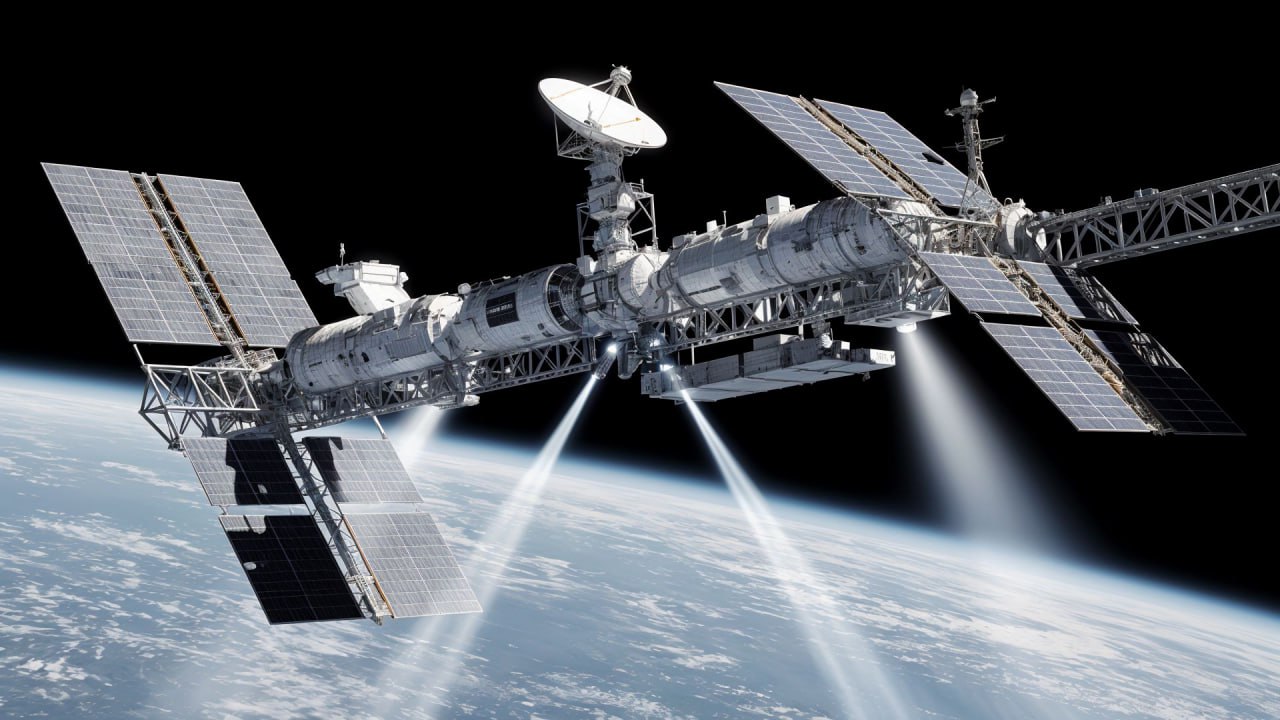
For visionaries like Okhotnikov, the answer may lie not on Earth but in space. He suggests that the future of energy generation could depend on Space-Based Solar Power (SBSP). This concept envisions extensive solar arrays positioned in geostationary orbit, receiving uninterrupted sunlight. These arrays could convert solar energy into electricity and transmit it wirelessly to Earth through safe, low-intensity microwaves or lasers.
Current studies by organizations such as the European Space Agency and NASA are analyzing the feasibility of SBSP systems. According to a 2025 analysis for the European energy grid, such systems could provide a stable energy foundation that complements intermittent renewable sources. Okhotnikov observes, “The solar power we can collect here on Earth is only a tiny fraction of what is available in space,” emphasizing the vast potential for energy generation beyond our planet.
Holiverse is taking a proactive approach to this challenge, exploring designs and collaborations that align future AI infrastructure with space-generated power. Okhotnikov states, “We are developing technologies capable of powering the next era of AI.” He believes that with the right innovations and partnerships, tangible steps toward implementing SBSP can be realized in the near future.
Overcoming Challenges for Future Energy
The path to harnessing solar power in space is fraught with challenges, including international governance, orbital construction, and transmission efficiency. Additionally, the costs associated with launching these technologies into space pose significant barriers. Nevertheless, advancements in materials science and the development of reusable rockets are transforming these challenges into manageable engineering and diplomatic issues.
Okhotnikov’s vision extends beyond merely addressing energy needs; it aims to redefine the boundaries of AI research. By liberating AI from terrestrial energy constraints, researchers could unleash its full potential. A sustainable energy network could support intensive computational workloads essential for advancements in material science, personalized medicine, and climate prediction.
The implications of this shift are profound. Future AI development may rely not only on sophisticated algorithms but also on the energy sources we choose to provide. As Holiverse and other pioneers advocate for space-based energy solutions, they recognize that in order to genuinely advance intelligence, a broader vision is necessary—one that looks upwards, beyond the confines of our planet.
Harnessing the limitless power of the sun could be the key to the next major advancement in artificial intelligence, paving the way for a new era of technological progress.
























