








































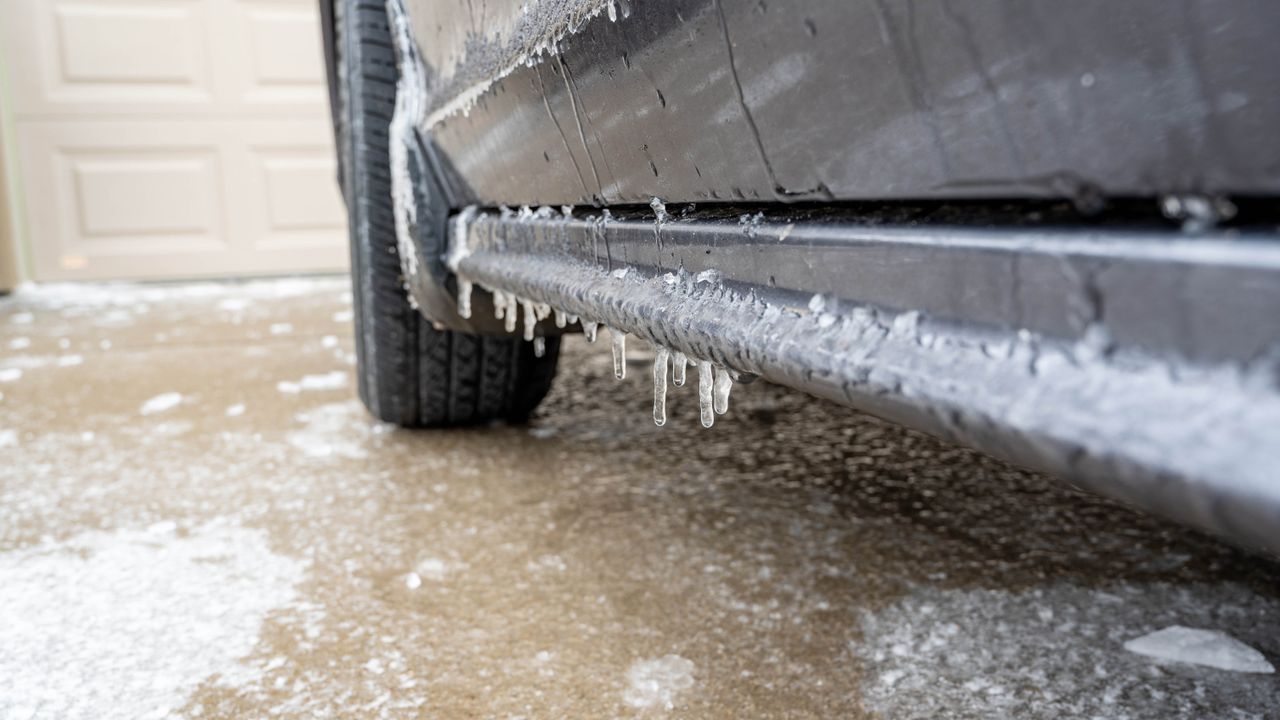
Using rock salt to de-ice driveways is common, yet it carries significant drawbacks that many overlook. Conventional salt can corrode concrete and metal, damage nearby plants, and harm pets’ paws. Moreover, it can pollute groundwater as it melts. A more sustainable and effective alternative lies in your kitchen: used coffee grounds.
Coffee grounds not only assist in melting ice but also provide traction on slippery surfaces. They are non-toxic to pets and plants and enrich soil as they decompose. Utilizing something you typically discard could be a game-changer this winter.
Steps to Use Coffee Grounds for De-Icing
To leverage coffee grounds effectively, follow these straightforward steps:
1. **Collect and Store Used Coffee Grounds**
Begin gathering your used coffee grounds. After brewing your coffee, spread the grounds on a tray or newspaper to allow them to dry slightly. Aim for them to be damp, not soaking wet. Store them in a sealed container or plastic bag. If you don’t generate enough waste from your own coffee habits, consider asking local coffee shops for their used grounds; many are willing to give them away rather than throw them out. For a standard driveway, having a substantial supply is essential, so start collecting.
2. **Clear Loose Snow Before Application**
Prior to spreading coffee grounds, use a shovel to remove any loose snow or large chunks of ice from your driveway. The grounds need to make direct contact with the icy surface to be effective. If the grounds are simply dumped on top of several inches of snow, they may sink without reaching the ice below. While you don’t need to clear the driveway completely, removing loose, fluffy snow significantly enhances the effectiveness of the coffee grounds.
3. **Spread Grounds Evenly Across the Icy Area**
Sprinkle a generous layer of damp coffee grounds over the icy surface. Ensure even coverage, similar to how you would apply salt. The dark color of the grounds is vital, as dark surfaces absorb heat more efficiently, speeding up the melting process even in colder conditions. It’s advisable to use a hand or shovel to scatter the grounds evenly, paying special attention to slopes and frequently walked areas for added safety.
4. **Press Grounds into the Ice for Better Contact**
To maximize effectiveness, gently press the coffee grounds into the ice using a broom, shovel, or your foot. This step ensures that the grounds make solid contact with the ice rather than remaining loose on top, which can lead to them blowing away in the wind. Improved contact promotes faster melting and increases traction for safer walking.
5. **Allow Time for the Grounds to Work**
Unlike chemical de-icers, coffee grounds do not melt ice instantly. They will begin to work within a few hours, depending on the temperature and the presence of sunlight. On sunny days, the grounds absorb heat, facilitating melting. The nitrogen content and slight acidity in the coffee grounds also contribute to lowering the ice’s freezing point. Even before the melting begins, the grounds offer immediate traction, making your driveway safer. If fresh snowfall occurs or if the ice isn’t melting quickly enough, simply reapply more grounds to maintain effectiveness.
This winter, opting for coffee grounds instead of traditional de-icers not only protects your driveway and surrounding environment but also provides a cost-effective solution. As you prepare for the cold months ahead, consider this sustainable alternative to keep your walkways safe and clear.
























