








































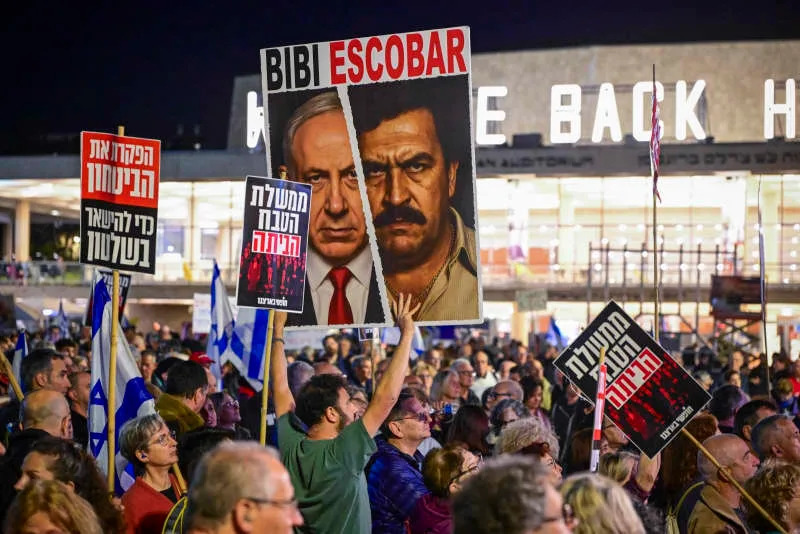
The Israeli government is taking significant steps to address the aftermath of the October 7 Hamas attack. On Monday, the Ministerial Committee for Legislation will debate a bill aimed at establishing an inquiry into the events surrounding that day. Concurrently, the cabinet is set to vote on the controversial proposal to close the Israel Defense Forces’ Army Radio.
Supporters of these measures argue that they are essential for accountability and for restoring the military’s apolitical nature. However, critics raise concerns about potential politicization and the legal ramifications of these actions.
Proposed Inquiry Bill Raises Concerns
The inquiry bill, introduced by Likud MK Ariel Kallner, aims to create a committee to investigate the October 7 attack, but it deviates from the traditional state commission framework. Instead of being appointed by the president of the Supreme Court, the proposed committee would be established through the Knesset and the government.
The draft stipulates that the committee will consist of six members: three from the ruling coalition and three from the opposition. Additionally, the bill includes four representatives from bereaved families to oversee the committee’s work. This framework is designed to foster a balanced and transparent inquiry, minimizing reliance on the judicial system.
However, opposition voices argue that this approach undermines the authority of an independent state commission and could result in a body perceived as politically motivated. Critics contend that a committee formed in this manner may struggle to uncover the truth, potentially leading to a lack of public trust in its findings. They advocate instead for a fully independent state inquiry to ensure legitimacy.
Controversial Closure of Army Radio
In a parallel move, the cabinet will address the proposal to close Army Radio, spearheaded by Defense Minister Israel Katz. The plan involves a phased approach, starting with the formation of a professional team to evaluate the implications for staff and explore alternatives for the station’s music outlet, Galgalatz.
Proponents of the closure assert that a military-run media outlet should not engage in current affairs and political broadcasting, arguing that this shift would help reaffirm the IDF’s national and non-partisan role. Conversely, opponents warn that such a decision poses a grave threat to press freedom and could significantly diminish the democratic landscape in Israel. They highlight Army Radio’s longstanding editorial independence and its vital role in informing the public.
Critics also note that implementing this closure without comprehensive legislation may lead to legal challenges and petitions to the High Court of Justice, further complicating the situation.
Together, these two proposals signify a politically charged week for Israel, as the government seeks to navigate the delicate balance between accountability for the October 7 attack and the implications of reshaping the media landscape. The outcomes of these discussions will likely have lasting effects on both public trust in governmental institutions and the future of media in Israel.
























