








































UPDATE: The European Union has just announced an indefinite freeze on Russian assets across Europe, a critical move aimed at ensuring that Hungary and Slovakia cannot block funds designated for Ukraine. This decisive action comes as part of a broader strategy to secure financial support for Ukraine amid its ongoing conflict with Russia.
JUST IN: The EU has blocked approximately €210 billion ($247 billion) in Russian assets until Moscow ceases its military aggression and compensates Ukraine for the extensive damage caused over nearly four years of war. This significant step was confirmed by EU Council President António Costa, who emphasized that European leaders are committed to keeping these assets immobilized to support Ukraine’s recovery.
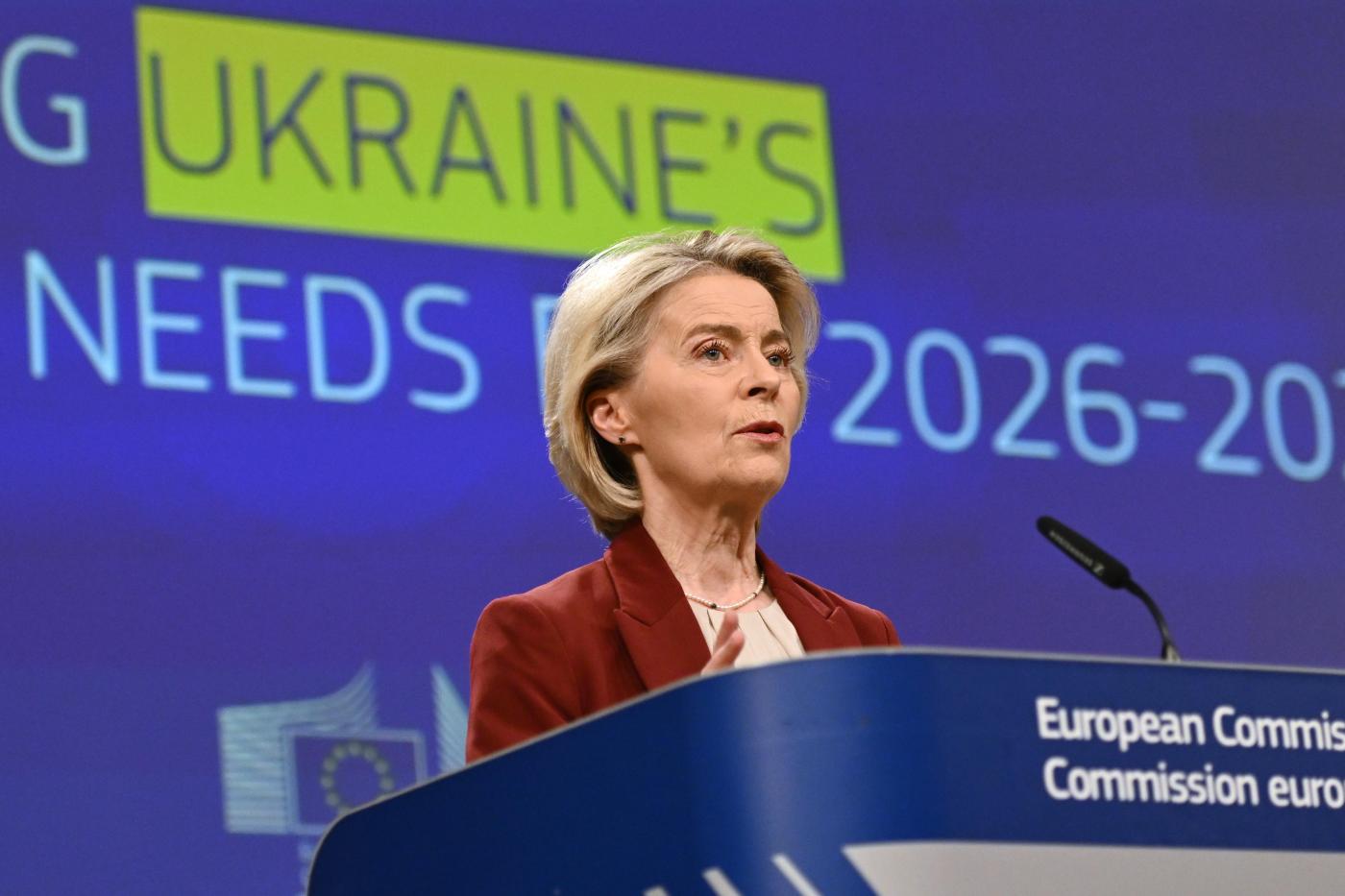
The decision was made using an emergency procedure designed to protect the EU’s economic interests and prevent Hungary and Slovakia—both known for their pro-Moscow stances—from obstructing sanctions. Costa stated, “Today we delivered on that commitment,” underscoring the urgency of the situation as EU leaders prepare for a summit next week to discuss the utilization of these assets for a substantial loan aimed at meeting Ukraine’s financial and military requirements for the years 2026-2027.
As the situation develops, the EU is positioning itself to leverage these assets to bolster Ukraine’s war efforts and economic stability. The freezing of funds will also inhibit any negotiations regarding the asset’s use without prior European approval, marking a significant shift in the EU’s approach to the Russia-Ukraine conflict.
Hungarian Prime Minister Viktor Orbán, a staunch ally of Russian President Vladimir Putin, has publicly condemned the EU’s decision, claiming it undermines European law and places EU leaders above legal frameworks. In a social media post, Orbán asserted, “The rule of law in the European Union comes to an end,” while vowing to restore lawful order.
Additionally, Slovak Prime Minister Robert Fico has expressed his refusal to support any initiatives that would channel funds towards Ukraine’s military expenses. He warned that utilizing frozen Russian assets could jeopardize ongoing U.S. peace efforts, which rely on these resources for Ukraine’s reconstruction.
The implications of this move are profound, with the EU already having allocated nearly €200 billion ($235 billion) in support to Ukraine. The freezing of Russian assets is expected to mitigate rising energy prices and bolster economic growth across the EU, which has been heavily impacted by the conflict.
In further developments, the Russian Central Bank has filed a lawsuit against Euroclear for damages related to its inability to manage these assets, calling the EU’s plans to use frozen Russian assets for Ukraine “illegal” and a violation of international law.
As tensions escalate and the conflict continues, the EU’s decisive actions reflect a commitment to supporting Ukraine while navigating the complexities of international law and economic sanctions. The coming days will be crucial as EU leaders convene to finalize strategies for the effective use of these critical funds.
Stay tuned for more updates on this developing story as the situation unfolds.
























