








































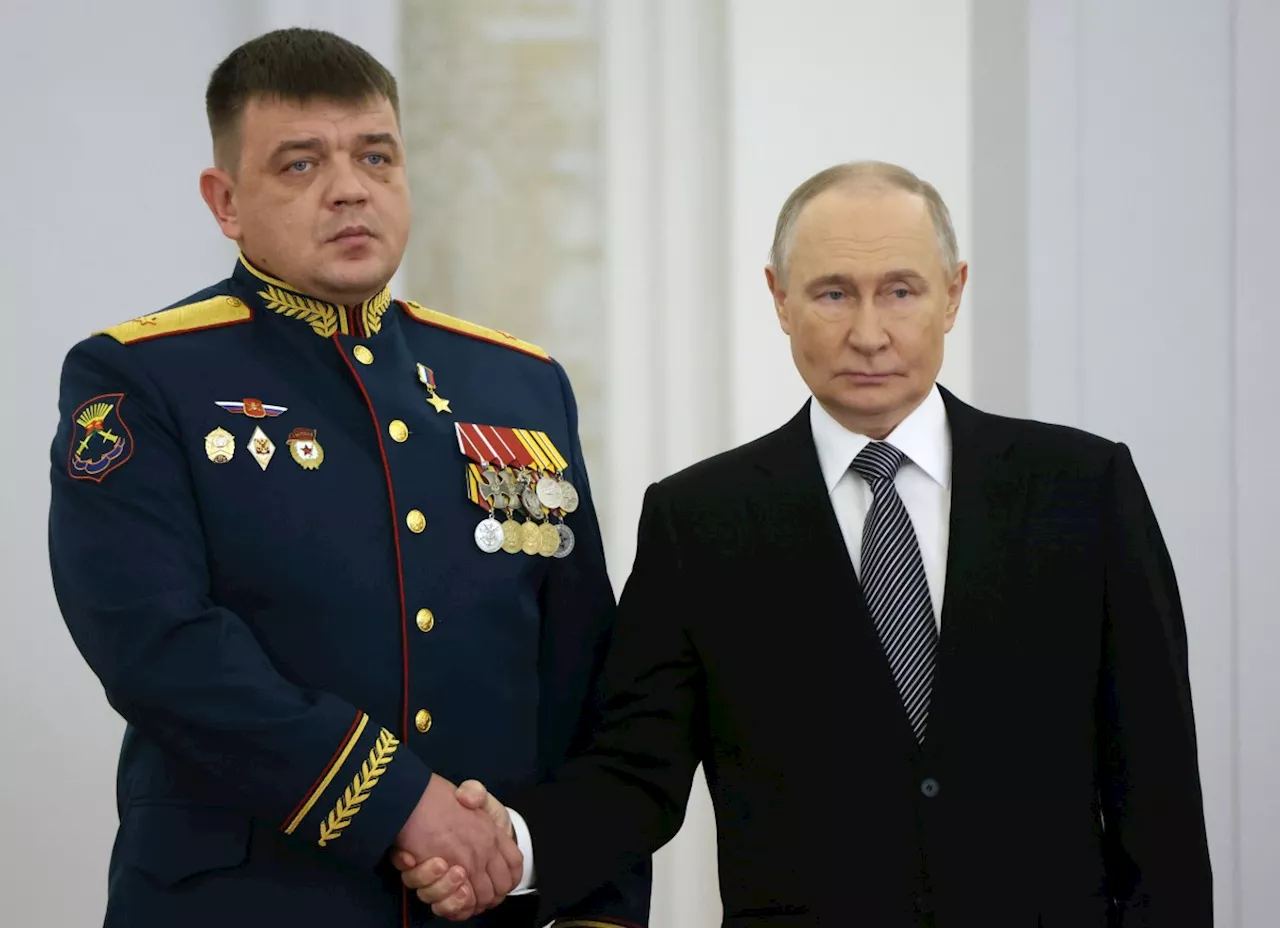
Russian Foreign Minister Sergei Lavrov announced that President Vladimir Putin has communicated a willingness to provide security guarantees for Ukraine as part of a potential peace settlement. During a meeting with two envoys representing former US President Donald Trump, Lavrov emphasized that any guarantees must encompass all parties, explicitly including Russia itself.
In a significant development on March 15, 2024, Lavrov stated that these guarantees could be formalized through a legally binding treaty, citing Moscow’s proposals to NATO from 2021 as a foundation for such discussions. He noted that Russia has submitted additional proposals concerning collective security guarantees to the United States, asserting that the scope of these guarantees cannot be limited to Ukraine alone.
Lavrov also addressed the concept of deploying peacekeeping troops to Ukraine, which had been under consideration by some NATO allies. He firmly rejected this notion, warning that such troops could become “legitimate targets for the Russian armed forces,” indicating the potential for escalation in the region. Lavrov urged European nations to understand the implications of this stance.
In the United States, former President Trump advised Ukrainian President Volodymyr Zelensky to adopt a “realistic” perspective regarding the ongoing conflict with Russia. Trump questioned the timing of Ukraine’s upcoming elections and expressed that he had discussed the situation in “pretty strong terms” with leaders from the United Kingdom, France, and Germany. He mentioned that European leaders were eager for him to visit soon for peace talks but expressed hesitance, wanting to gather more information before committing to such meetings.
The context of these discussions reveals the complexities of the ongoing conflict, with various key players attempting to coordinate their responses to the shifting dynamics between the US and Russia. Ukraine is currently revising a 20-point proposal for a settlement, following consultations with European allies concerned that Trump may pressure Ukraine into accepting unfavorable terms, potentially rewarding Russia for its actions.
President Zelensky, facing domestic challenges amid a corruption scandal involving senior officials, indicated a willingness to proceed with elections, contingent on support from the US and other Western nations to ensure their security. He reiterated his firm position against conceding any territory to Russia, asserting he lacks both the legal and moral authority to make such compromises.
The evolving situation underscores the intricate interplay of international diplomacy, security concerns, and domestic political pressures impacting the resolution of the Russia-Ukraine conflict. The exchange of proposals and counter-proposals highlights the challenges of reaching a comprehensive agreement.
The involvement of influential figures like Trump, along with the differing perspectives of the involved countries, adds further complexity to the negotiations. The readiness of Russia to create a legally binding treaty, combined with the conflicting positions surrounding security guarantees and troop deployments, illustrates the inherent risks and obstacles that lie ahead.
As the situation develops, the necessity for careful navigation of multifaceted interests and bridging significant gaps in perspectives becomes increasingly apparent. This scenario emphasizes the critical role that diplomacy, negotiations, and political considerations play in resolving the conflict and achieving lasting peace in the region.
























