








































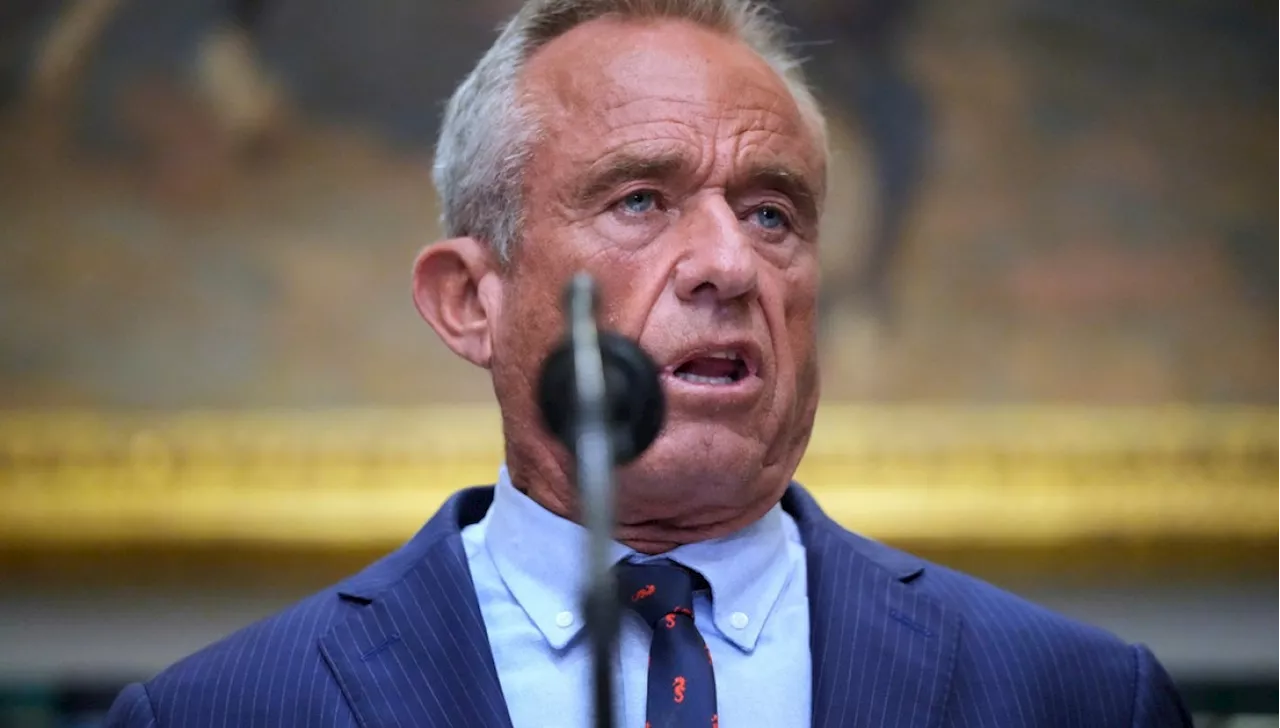
URGENT UPDATE: The Department of Health and Human Services (HHS) has just announced proposed regulations targeting direct-to-consumer (DTC) drug advertising, igniting fierce debate over free speech and patient access to vital information. Critics warn that these changes could severely restrict legitimate advertising, leaving millions of patients uninformed about new treatment options.
The proposed regulations, which would introduce extensive disclosure requirements for drug ads, could effectively create a de facto ban on such communications. Industry leaders argue that this move risks depriving patients of essential knowledge that can lead to earlier diagnoses and better health outcomes. According to Kennedy, a prominent voice in the industry, these regulations exploit a “loophole” that could bewilder advertisers and stifle necessary conversations between patients and doctors.
“Adding excessive disclosures to every 30 seconds of an advertisement will make compliance nearly impossible,” Kennedy stated. “This isn’t regulation; it’s a gag on speech.” The implications of these reforms are profound, raising critical constitutional questions about the First Amendment and the right to free speech in healthcare advertising.
Since the landmark court decisions in the mid-1990s, including a ruling that struck down restrictions on drug-price advertising, the balance between safety and free speech has been established. The courts have repeatedly affirmed that the government cannot silence truthful speech merely because it may influence behavior. A transparent dialogue about health products is essential for empowering consumers, and any attempt to curtail this communication is seen as a backward step.
Supporters of the current advertising model argue that DTC ads have driven millions to seek care for conditions they might otherwise ignore. These advertisements have not only educated the public but have also fostered a culture of proactive health management. By limiting this information, the HHS risks creating a vacuum of knowledge that could endanger lives.
The proposed reforms are scheduled for discussion in the coming weeks, and industry experts are urging HHS to reconsider its approach. “We need to reaffirm the balance established in 1997,” said a spokesperson for the pharmaceutical industry. “Censorship is not the solution to misleading information in a democracy.”
As the debate heats up, stakeholders are closely watching how these proposed changes will unfold. The upcoming discussions represent a critical moment for the future of drug advertising and patient rights. Will HHS prioritize transparency and the public’s right to know, or will it impose regulations that silence essential conversations about health and wellness?
With reactions pouring in from various sectors, the public and industry insiders alike are encouraged to voice their opinions as the deadline for public comment approaches. This is a developing story, and updates will follow as more information becomes available. Stay tuned for further developments on this urgent matter.
























