








































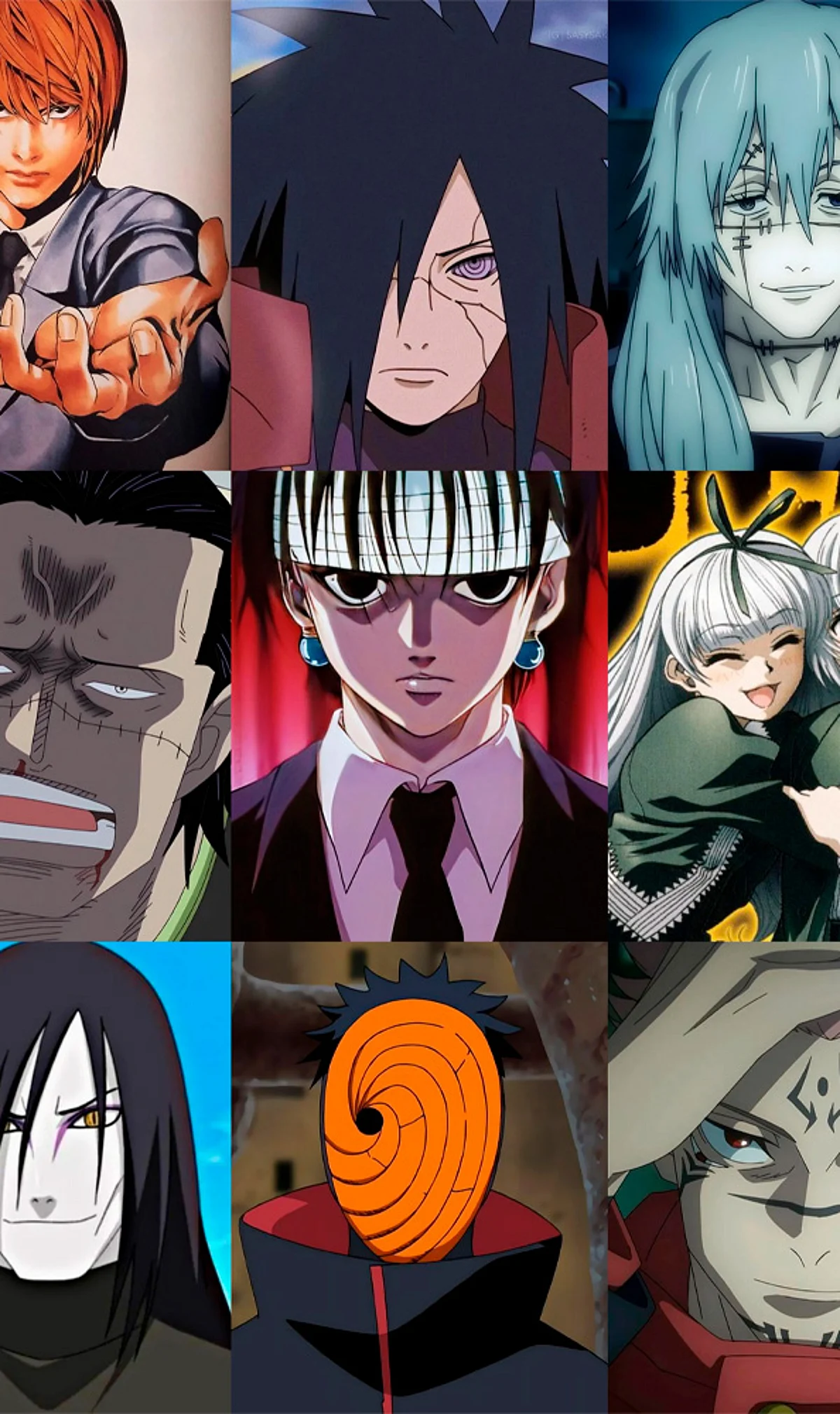
Anime storytelling is rich with characters who challenge conventional notions of good and evil. Among these, certain villains stand out not just for their power or malevolence, but for the moral complexities that underpin their actions. This article delves into notable anime villains whose motives, though often misguided, reveal deeper truths about justice, society, and human nature.
Understanding the Complexity of Villains
In many popular anime series, villains serve as critical catalysts for the narrative, often embodying themes that resonate with audiences. Characters like Light Yagami from *Death Note* and Gendo Ikari from *Neon Genesis Evangelion* provoke thought about morality and the consequences of absolute power. Their actions, while often extreme, stem from a desire to create a better world, even if their methods are questionable.
For instance, Light Yagami believes he can eradicate crime by using a supernatural notebook to eliminate wrongdoers. While his vision for a crime-free world is admirable, his approach raises ethical dilemmas about justice and authority. The audience is left to grapple with the question: at what cost does justice come?
Motivations Behind the Madness
The motivations of these antiheroes often reflect real-world issues, making them relatable on some level. Gendo Ikari, for example, seeks to protect humanity through drastic measures in *Neon Genesis Evangelion*. His actions, while often seen as manipulative, are driven by a desire to prevent human suffering. This complexity adds depth to his character and allows viewers to see beyond the surface of villainy.
Similarly, in *Attack on Titan*, Erwin Smith and the Marleyan leaders present opposing perspectives on freedom and survival. Each character operates within a system that shapes their views on morality. The narrative challenges viewers to consider how societal structures influence individual choices, blurring the lines between hero and villain.
Impact on Storytelling
The inclusion of morally ambiguous characters enriches anime storytelling by inviting audiences to engage with difficult themes. These villains prompt discussions about ethics, societal norms, and the human condition. They serve as reflections of our own struggles with morality, making anime not just entertainment but a medium for philosophical exploration.
In recent years, the popularity of such characters has grown significantly. Series like *My Hero Academia* and *Demon Slayer* feature villains whose backstories and motivations invite empathy, transforming them into more than mere antagonists. Their stories often reveal tragic circumstances that shape their choices, allowing viewers to connect on a personal level.
As anime continues to evolve, the portrayal of villains has become increasingly nuanced. The impact of these characters resonates with audiences worldwide, highlighting the power of storytelling to provoke thought and inspire dialogue.
In conclusion, anime villains who challenge our perceptions of right and wrong play a crucial role in shaping narratives that reflect our complexities. By examining their motives and the themes they represent, viewers gain a deeper understanding of the intricacies of human nature. Through characters like Light Yagami, Gendo Ikari, and others, anime invites us to reconsider the age-old battle between good and evil, making it a compelling and thought-provoking art form.
























