








































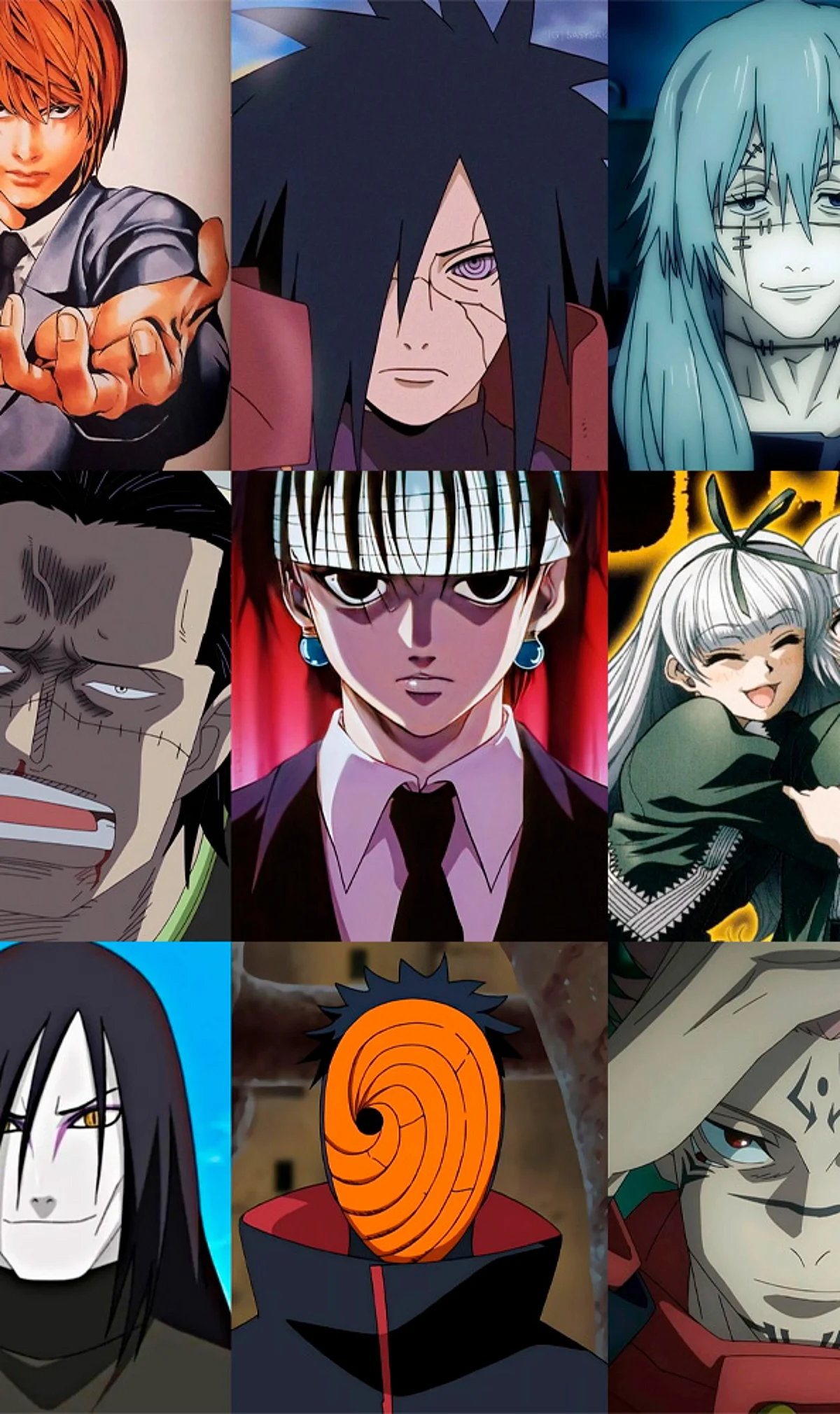
Anime storytelling often presents characters that challenge traditional notions of good and evil. This has led to the emergence of villains whose motives resonate with audiences, prompting viewers to reconsider the moral implications of their actions. Notable figures like **Light Yagami** from *Death Note* and **Zeke Yeager** from *Shingeki no Kyojin* exemplify this trend, demonstrating that not all antagonists are simply evil.
These characters, often regarded as antiheroes, embody complex motivations that drive their actions. For instance, **Light Yagami** seeks to eradicate crime and create a utopia, believing that his god-like powers justify his extreme measures. His actions raise questions about the ethics of vigilante justice and the cost of societal reform.
Similarly, **Zeke Yeager**, a pivotal character in *Attack on Titan*, operates under a belief in liberation and the right to choose one’s destiny. His controversial methods spark intense debates among fans regarding the moral dilemmas of freedom versus oppression.
Exploring the Depth of Villainy
Anime has a rich history of crafting villains who challenge the status quo. **Madara Uchiha**, from *Naruto*, is another example. His vision for peace through absolute control presents a stark contrast to the chaotic reality of his world. While his methods are violent, they stem from a desire to end suffering, making him a compelling figure whose actions provoke thought about the nature of peace.
**Orochimaru**, also from *Naruto*, reflects another dimension of villainy. His thirst for knowledge and immortality leads him to commit atrocities, yet his character prompts discussions about the pursuit of knowledge and the ethical boundaries that should not be crossed.
The stories told through these characters highlight broader themes relevant to contemporary society. They allow fans to explore complex issues such as justice, freedom, and the consequences of absolute power. As the anime landscape continues to evolve, these narratives remain pertinent, urging viewers to reflect on the moral complexities within their own lives.
The Impact of Morally Ambiguous Characters
The portrayal of such villains aligns with a growing trend in media that embraces moral ambiguity. Viewers are drawn to characters who mirror the complexities of real life, where motivations are not always black and white. This nuance adds depth to storytelling, encouraging audiences to engage with the material on a more profound level.
The impact of these characters extends beyond entertainment. They spark conversations about ethics and morality, prompting fans to consider the implications of their beliefs and the societal structures they inhabit. The discussions surrounding figures like **Vash the Stampede** from *Trigun* and **Spike Spiegel** from *Cowboy Bebop* illustrate how deeply these narratives resonate with audiences.
In conclusion, the portrayal of anime villains who challenge conventional morality provides a rich tapestry for storytelling. These characters invite viewers to engage with difficult questions about justice, power, and humanity. As new series and narratives emerge, the exploration of these themes will likely continue to captivate and provoke thought, ensuring that the conversation around anime’s morally complex villains remains vibrant and relevant.
























