








































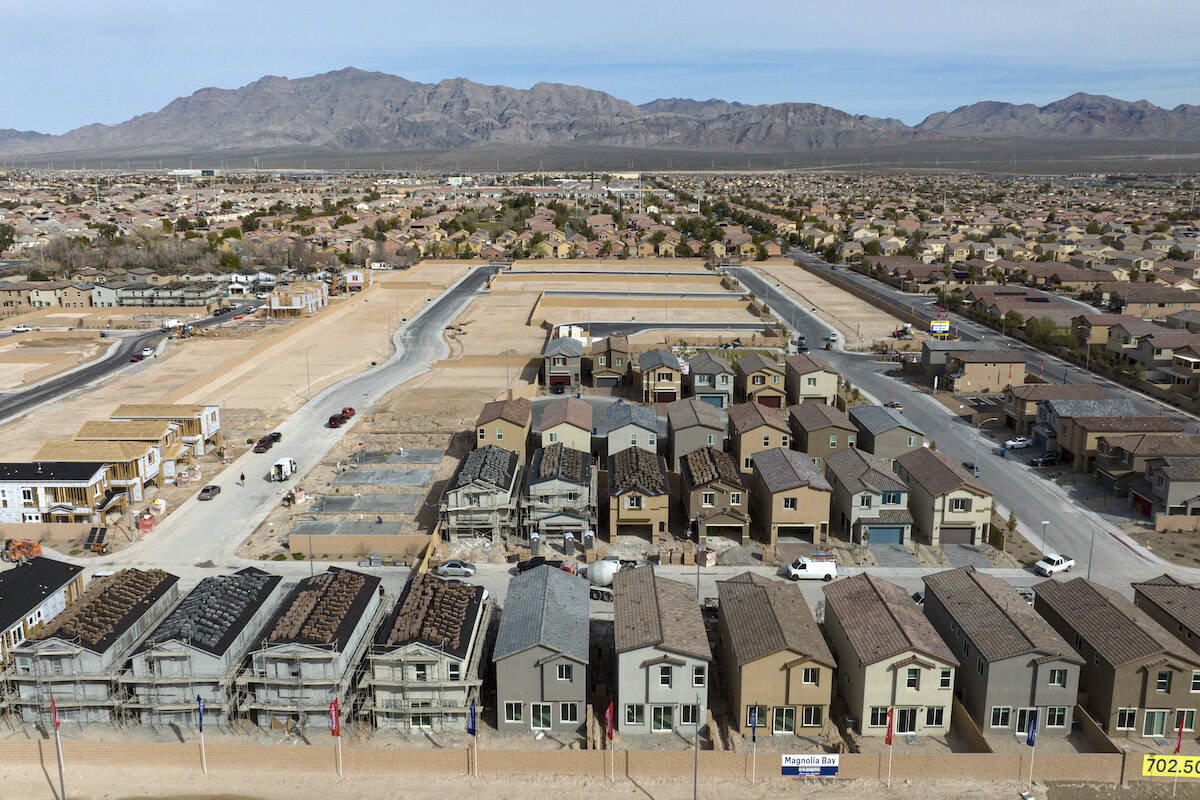
The ongoing housing affordability crisis in Nevada has sparked debate about the root causes of the issue. Developers and some politicians argue that the solution lies in acquiring an additional 23,000 acres of land from the Bureau of Land Management (BLM). However, this perspective overlooks critical facts surrounding the current housing market.
Recent data indicates that home sales in the region are on a decline, suggesting that the primary issue is not a lack of land but rather the rising costs of housing. There is a significant amount of buildable land still available, particularly in the Las Vegas Valley, where a study published by the Review-Journal highlighted that 23,000 acres remain unutilized for residential development.
Understanding the True Barriers to Affordable Housing
The misconception that land scarcity is the main barrier to affordable housing ignores the reality of the market. The available parcels do not always meet the preferences of developers, who typically seek large, contiguous plots. This preference can limit the options for creating diverse housing types that cater to various income levels.
Two critical factors contribute to the unaffordability of housing in Nevada. First, many developers prioritize profit by constructing high-end homes that are out of reach for the average buyer. This trend significantly reduces the availability of affordable housing options for potential homeowners.
Second, there is a notable shortage of rental apartments and condominiums that provide affordable homeownership opportunities. As the demand for these types of housing continues to grow, the market has not sufficiently responded to meet these needs.
The Impact of Mortgage Rates on Housing Affordability
Another significant barrier to affordable housing is the current state of mortgage interest rates. The Federal Reserve has been adjusting these rates in an effort to control inflation, which remains a persistent concern. According to economic experts, approximately one-third of the ongoing inflation is linked to fiscal policies enacted by President Joe Biden and the Democratic Congress. Their decision to inject $3.2 trillion into the economy aimed to support recovery efforts but has inadvertently contributed to rising inflation rates.
In summary, the narrative surrounding Nevada’s housing crisis needs to shift from blaming land scarcity to addressing the multifaceted issues affecting affordability. By focusing on the real barriers—such as the prioritization of profit by developers and the impact of mortgage rates—stakeholders can work towards more effective solutions that genuinely enhance housing accessibility for all residents.
























