








































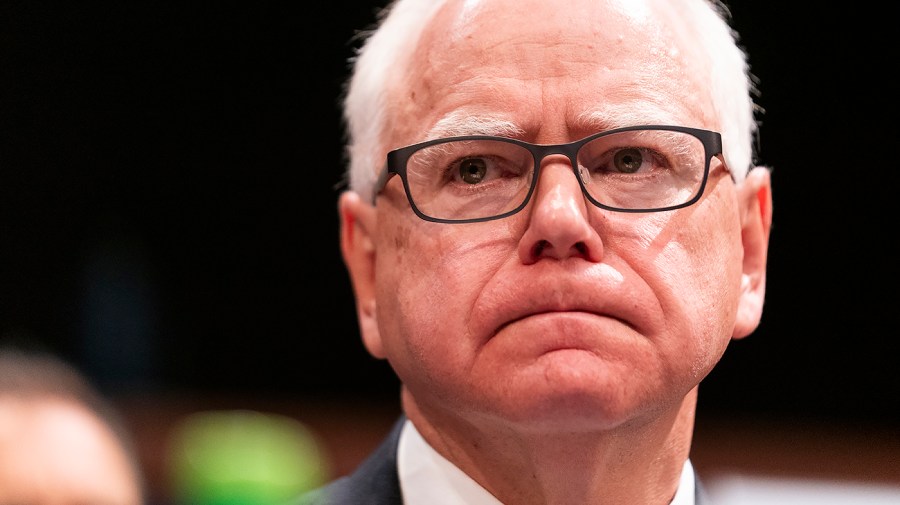
BREAKING: Minnesota Governor Tim Walz is in the spotlight as he grapples with a mounting fraud scandal that has rocked the state. New reports confirm that over $250 million has allegedly been stolen from a federally funded nutrition program, resulting in more than 50 convictions so far. This urgent situation is developing rapidly, with significant implications for Walz’s political future.
The fraud investigation, spearheaded by the Minnesota Department of Human Services, has exposed widespread corruption, sparking outrage among residents and officials alike. Attorney General Keith Ellison has vowed to pursue justice, stating, “We will not rest until those responsible are held accountable.” This scandal raises serious questions about accountability and oversight in state programs.
As the investigation unfolds, the backlash against Walz is intensifying. Critics argue that the governor’s administration failed to prevent these fraudulent activities, which have devastated programs aimed at assisting vulnerable populations. The emotional toll on affected families is significant, as many relied on these essential services for food security.
The implications for Walz’s administration are profound. With the political landscape shifting, his leadership is now under scrutiny as the public demands transparency and action. Minnesota residents are increasingly concerned about how taxpayer funds were mismanaged, and calls for reform are growing louder.
In light of these developments, Walz’s political future hangs in the balance. The scandal poses a direct threat to his re-election prospects in the upcoming cycle. As more details emerge, the governor faces pressure to take decisive action to restore public trust.
The situation is fluid, and officials are urging anyone with information related to the fraud to come forward. Authorities are expected to release further updates in the coming days as investigations continue.
Stay tuned for more breaking news as this story develops. The outcome of this scandal could reshape the political landscape in Minnesota and set a precedent for handling fraud in state programs across the nation.
























