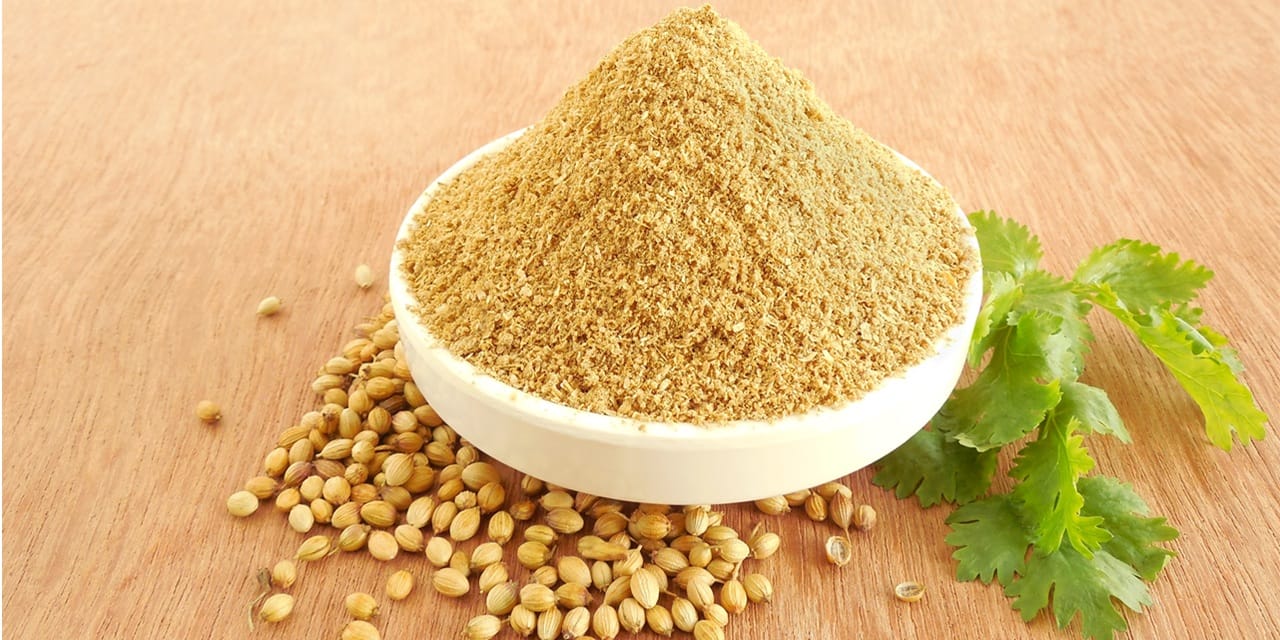
Consumers are being cautioned about the potential dangers of purchasing spices from abroad following a case of severe lead poisoning in Northolt, England. This warning originates from an incident where a local resident exhibited elevated levels of lead in their blood, prompting an investigation by Ealing Council and the UK Health Security Agency (UKHSA).
The investigation revealed that the lead exposure likely stemmed from spices the patient had brought back from a recent holiday in Asia. Testing conducted on these spices indicated dangerously high concentrations of lead, a toxic metal that poses significant health risks.
Health Risks Associated with Lead Exposure
Lead poisoning can lead to a variety of health complications, including neurological damage, developmental delays in children, and cardiovascular issues in adults. The UKHSA emphasizes that even low levels of lead exposure can have detrimental effects, making it crucial for consumers to be cautious about the sources of their food products.
This incident underscores the importance of food safety regulations and the need for thorough testing of imported goods. The Ealing Council is now working to raise awareness among residents regarding the potential hazards of imported spices, particularly those originating from countries with less stringent food safety standards.
Consumer Recommendations and Precautions
Officials recommend that consumers thoroughly research the origin of spices before making purchases. It is advisable to buy from reputable sources that adhere to established safety standards. Additionally, individuals are encouraged to report any adverse health effects linked to food products to local health authorities.
As authorities continue to investigate this case, they urge anyone who has traveled recently and purchased spices, particularly from Asia, to seek medical advice and get tested for lead exposure if they experience any health issues.
In response to this alarming situation, the UKHSA is collaborating with local agencies to enhance monitoring of imported food products. Their aim is to prevent similar incidents in the future and to ensure the safety and well-being of consumers across the country.
As the global food market continues to expand, maintaining vigilance regarding food safety, especially with imported items, remains a top priority for health authorities. The case in Northolt serves as a stark reminder of the potential risks associated with imported spices and the critical need for consumer awareness.