




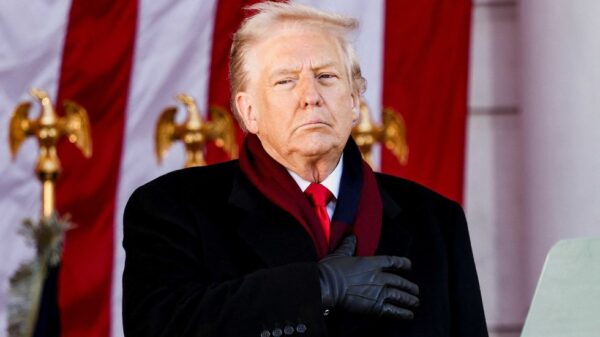













UPDATE: In a stunning revelation, former Department of Justice (DOJ) insiders confirm that the Trump administration applied intense pressure on the University of California, Los Angeles (UCLA) to fabricate evidence of antisemitism, aiming to justify a federal lawsuit. This urgent situation escalated on July 31, 2024, when the DOJ announced a freeze on over $1 billion in research funding to UCLA, dramatically affecting its operations.
The internal memo obtained by ProPublica and The Chronicle of Higher Education indicates that career civil rights attorneys were pressured by political appointees to “find” evidence that UCLA had failed to address antisemitism effectively. Despite their recommendations, which ultimately suggested a lawsuit only against UCLA, the case was deemed legally weak, with no ongoing harassment documented following pro-Palestinian protests earlier in 2024.
On that fateful morning of July 31, newly appointed UC President James B. Milliken was alerted to the funding freeze while on a golf course in Nebraska, quickly pivoting to address the mounting crisis. “This is singular. It’s the toughest,” he stated, highlighting the unprecedented challenges facing the UC system.
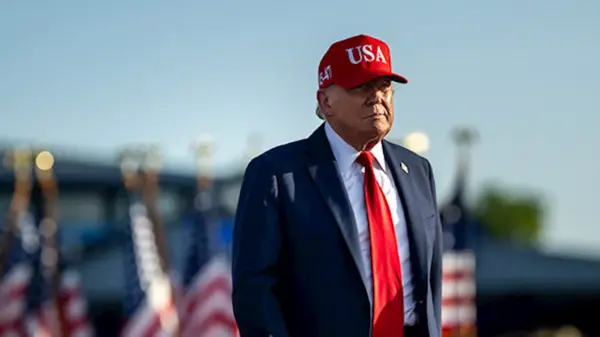
The DOJ’s tactics represent a broader campaign against elite institutions, which the Trump administration has labeled as “woke” and complicit in antisemitism. Authorities have launched investigations into all ten UC campuses, creating an atmosphere of fear and intimidation among faculty and students reliant on federal funding, which constitutes one-third of the UC system’s revenue.
The internal investigations revealed that UCLA had already taken significant actions to combat antisemitism, prompted by an earlier Biden administration inquiry into the same issues. Yet, the DOJ’s aggressive stance and funding threats have left UCLA and the entire UC system grappling with the repercussions.
The legal landscape remains fraught. A recent court ruling on November 14 temporarily halted the DOJ’s coercive actions, declaring that the Trump administration’s conduct violated legal norms. However, uncertainty looms over future attacks, as faculty and students express fear of retaliation.
UCLA’s researchers have voiced their distress over the funding cuts affecting critical projects, with some likening their treatment to being used as pawns in a political game. “These are things that save people’s lives. Why are we messing with that?” lamented one faculty member.
As the UC system navigates this perilous situation, discussions with federal officials continue. Milliken faces mounting pressure to respond aggressively to the DOJ’s demands while balancing the need for institutional integrity and financial viability.
What happens next is crucial. With federal investigations ongoing and faculty members actively seeking legal recourse, the UC system stands at a crossroads. The outcome of this conflict could set a precedent for how federal education policies are enforced and how universities respond to political pressures.
Stay tuned as we continue to monitor this developing story, which underscores the intersection of education, politics, and civil rights in America.