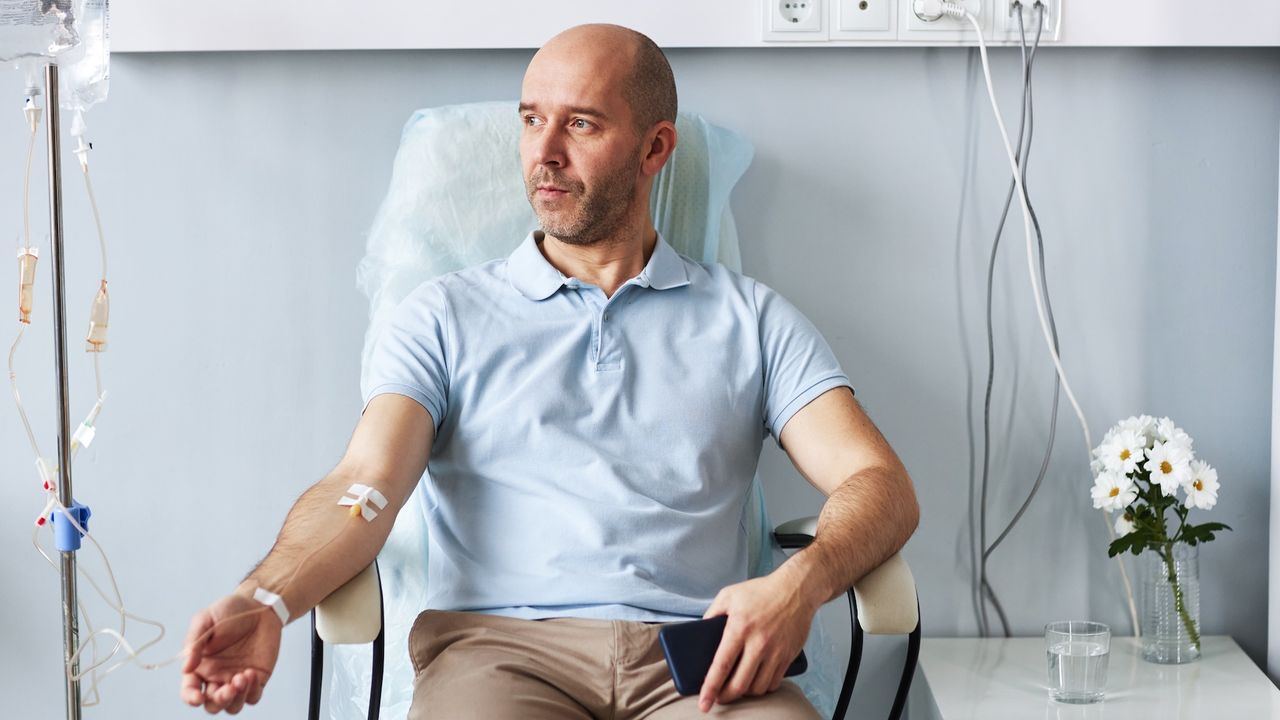
A recent study indicates that the timing of immunochemotherapy administration significantly impacts survival rates for patients with advanced small cell lung cancer (ES-SCLC). Conducted by researchers from the Affiliated Cancer Hospital of Xiangya School of Medicine at Central South University in China, the findings suggest that treatments delivered earlier in the day may enhance patient outcomes.
The research, published on December 8, 2023, in the journal *Cancer*, builds on previous studies that explored the influence of the body’s circadian rhythm on cancer therapies. These studies have shown that administering immune checkpoint inhibitors—drugs that enable the immune system to target cancer cells—earlier in the day yields better results compared to later timings. Cancers such as kidney, liver, and melanoma have shown improved outcomes when treated in the morning.
Dr. Francis Lévi, a medical oncologist and founder of the Chronotherapy Group at Warwick University, commented on the significance of the study, noting that it corroborates earlier research on different lung cancer types and therapies. He stated, “Early time of day of immune checkpoint inhibitors, as single agents or combined with chemotherapy… significantly improves treatment efficacy compared to later dosing times.”
The study analyzed data from nearly 400 patients diagnosed with ES-SCLC, a form of cancer known for its aggressive nature and poor prognosis, accounting for approximately 15% of new lung cancer cases. Each participant received standard immunotherapy alongside chemotherapy from May 2019 to October 2023. Researchers calculated the average treatment time based on the first four therapy cycles and examined survival outcomes based on the timing of administration.
Survival analysis revealed a critical cutoff at 3 p.m.. Patients treated before this time not only had longer periods without cancer progression but also enjoyed improved overall survival rates over the following five years. Even after accounting for other influencing factors, early treatment remained a strong predictor of survival.
Dr. Chi Van Dang, a professor of cancer medicine at Johns Hopkins University, noted that laboratory studies suggest T cells, which are crucial in fighting cancer, are more active in the morning. Aligning immunotherapy with this natural cycle may enhance its effectiveness.
Despite the strengths of this study, which boasts a substantial sample size, there are limitations. Dr. Lévi pointed out the gender imbalance among participants, as most were men. This factor may have affected the timing effects observed, necessitating further exploration in larger, more diverse studies.
The results indicate that patients receiving treatment before 3 p.m. lived nearly twice as long as those treated later in the afternoon. However, determining the exact optimal treatment cutoff remains uncertain, with suggestions that it may lie between 11:30 and 15:00.
As the study relied on retrospective data, further validation through randomized clinical trials is essential. While some evidence supports the benefits of early treatment, only one prospective trial has been completed, with several others currently in development.
Should future trials confirm these findings, logistical challenges may arise. Dr. Pasquale Innominato, along with circadian biologist Robert Dallmann and oncologist Seline Ismail-Sutton, noted that concentrating treatments within a limited time frame could overwhelm clinical facilities.
Additionally, the researchers emphasized that the “optimal window” for treatment may vary among patients, depending on individual biological rhythms and lifestyles. They proposed the concept of chronotyping—categorizing patients as “morning larks” or “night owls”—to tailor therapy timing more effectively. Ongoing studies aim to explore reliable methods for identifying chronotypes and scaling this approach.
This study highlights the potential for simple adjustments in treatment timing to yield significant improvements in patient outcomes, paving the way for more personalized cancer therapies.