




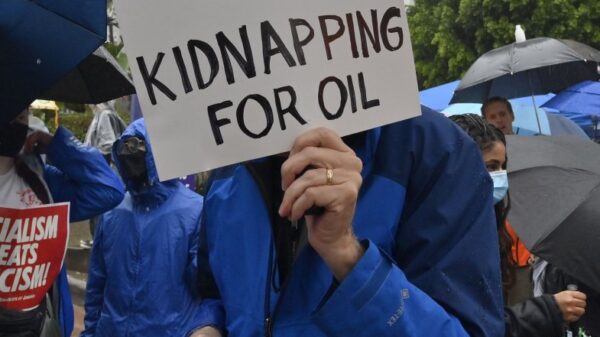




















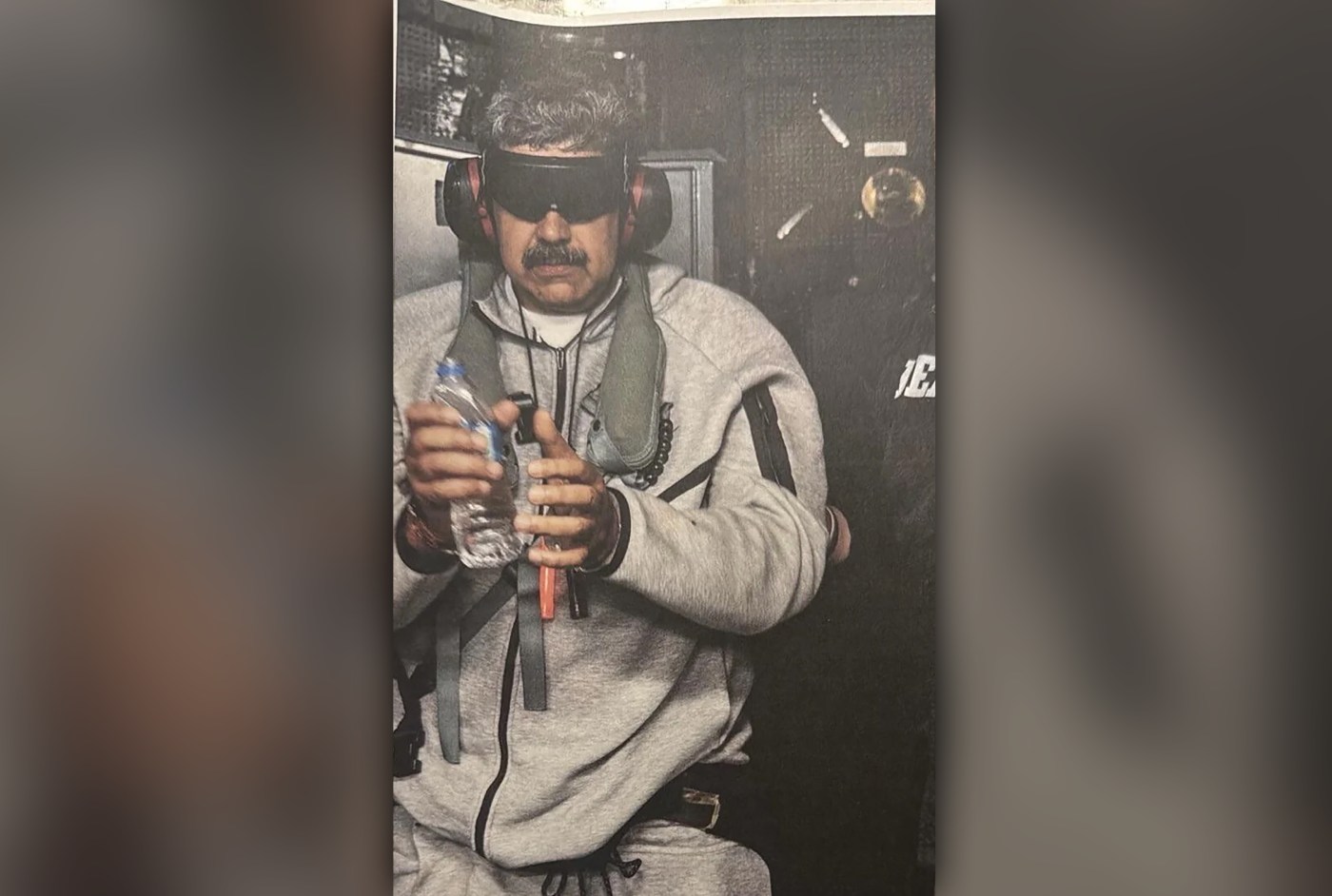
In a significant development, U.S. authorities executed a pre-dawn operation in Caracas on Saturday, leading to the arrest of Venezuelan President Nicolás Maduro and his wife, Cilia Flores. The operation, dubbed Operation Absolute Resolve, was intended to apprehend the couple on narcoterrorism charges filed in a Manhattan federal court. According to Gen. Dan Caine, Chairman of the Joint Chiefs of Staff, the mission focused on capturing the fugitives without escalating tensions or initiating a military takeover of Venezuela.
The operation, which lasted less than two hours, involved U.S. Defense Department personnel flying into Venezuela undetected. Caine reported that the Maduros surrendered to the FBI and were swiftly transported to the USS Iwo Jima, positioned offshore in the Caribbean. Following their capture, they were flown to the Stewart Air National Guard Base in New York, where they await trial.
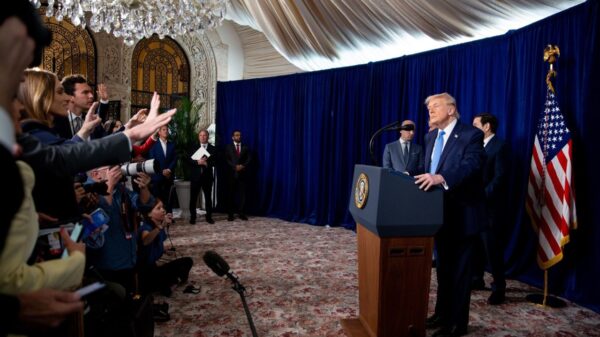
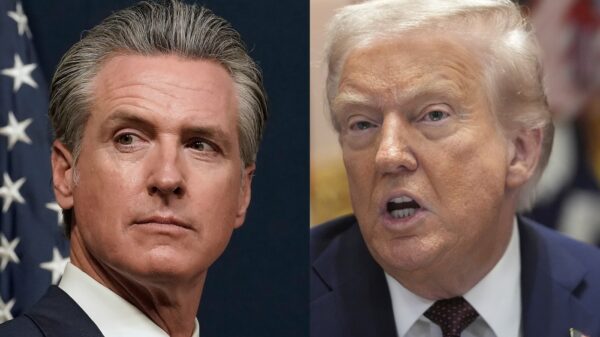
This event contrasts sharply with comments made by former President Donald Trump, who characterized the operation as a massive assault akin to events seen in World War II. In a press conference at his Mar-a-Lago estate, Trump claimed that the U.S. would assume control over Venezuela during the transitional period, a statement that seems disconnected from the actual details provided by military officials.
Maduro, who has faced accusations of overseeing fraudulent elections in 2018 and 2024, had been indicted since 2020 on drug-related charges. U.S. Attorney for the Southern District of New York, Jay Clayton, unsealed additional charges just prior to the operation, revealing the extent of Maduro’s alleged involvement in a drug cartel. The Venezuelan leader had opportunities to negotiate a peaceful exit, including direct phone conversations with Trump in recent weeks, but chose to remain in power.
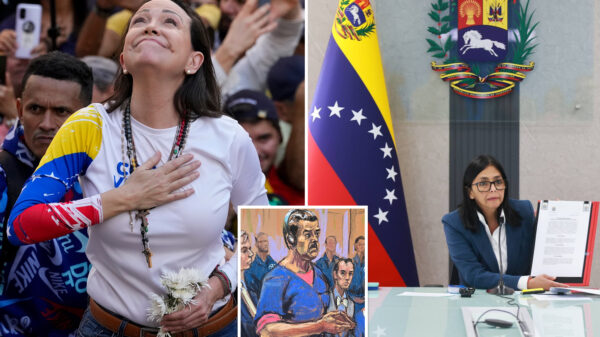
As the situation in Caracas unfolds, questions arise about the future of the Venezuelan government. While Maduro’s vice president, Delcy Rodríguez, may assume leadership in his absence, the dynamics of power remain uncertain. Trump’s assertion that the U.S. would manage the country contrasts with the lack of American military presence following the arrests.
The implications of this operation extend beyond the immediate capture of the Maduros. Should Venezuela descend into chaos or require U.S. troops for stabilization, the mission could lead to the very entanglements Trump has criticized in the past. In this context, the focus remains on the administration’s ability to navigate the complexities of Venezuelan politics without exacerbating the situation.
As the legal proceedings against Maduro and Flores proceed, the international community will closely monitor the potential repercussions for Venezuela and its citizens. The unfolding developments may redefine U.S.-Venezuela relations and influence regional politics in the coming months.