








































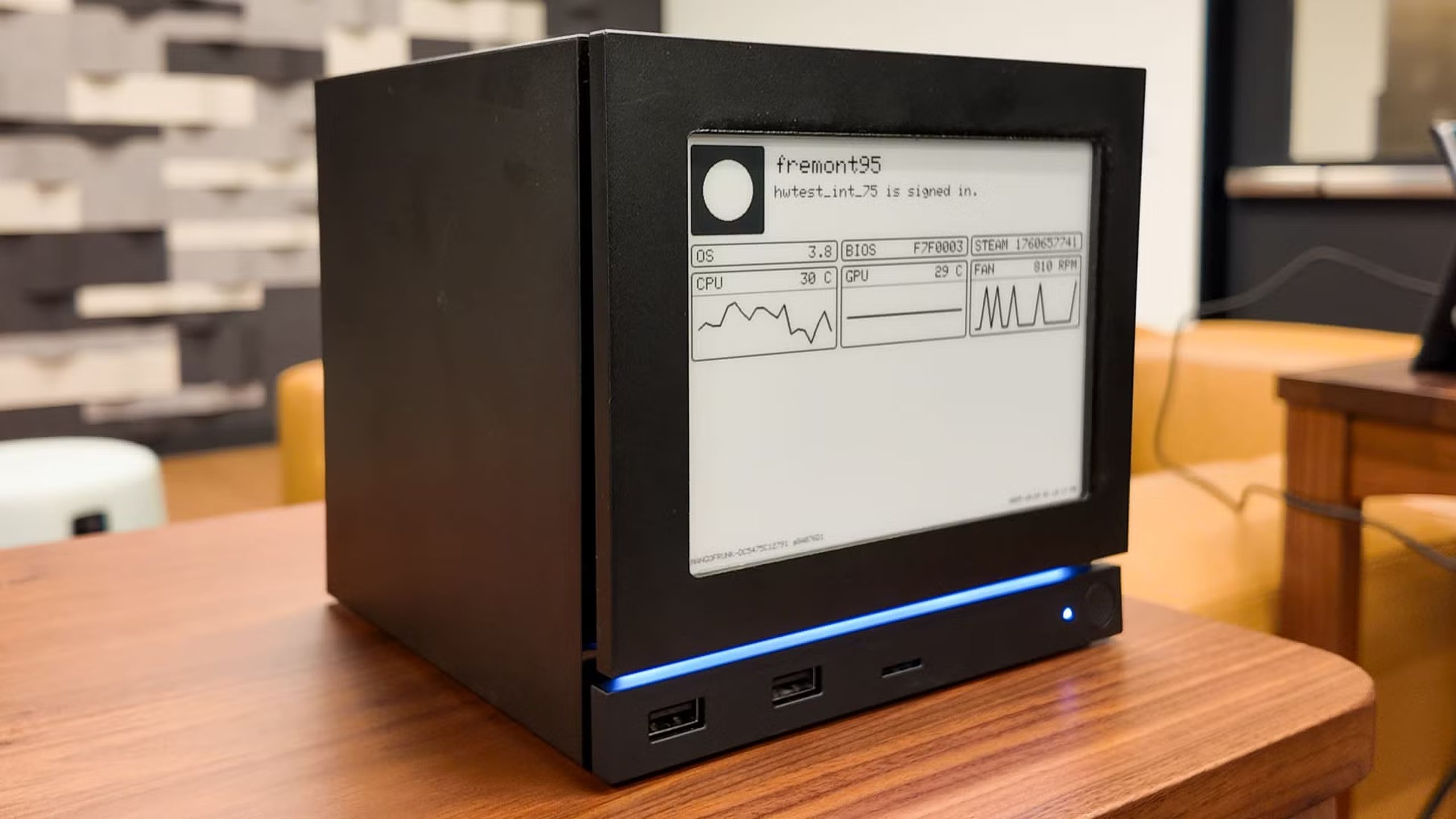
Valve has introduced the Steam Machine, a console-style device that aims to make PC gaming more accessible to newcomers. While its streamlined setup is appealing for those unfamiliar with PC gaming or using outdated hardware, experienced gamers might find it less beneficial. The Steam Machine is essentially a mid-range PC disguised as a console, raising questions about its value for those already equipped with decent graphics processing units (GPUs).
On a technical level, the Steam Machine is comparable to the AMD RX 7600M GPU, part of the company’s RDNA 3 architecture. Valve has indicated aspirations for a 4K 60 FPS gaming experience, leveraging technologies like FSR 2 and FSR 3. However, a notable limitation is the disclosed 8GB VRAM, which has raised concerns within the gaming community. As games increasingly demand higher memory capacities—especially at resolutions like 1440p and 4K—this constraint could hinder performance, particularly with upcoming titles.
Performance Comparison with Existing GPUs
For those already owning GPUs like the RX 7600 XT or higher, the Steam Machine offers little incentive to switch. Users of the RTX 3070, for example, enjoy superior performance at 1440p with medium-to-high settings, aided by enhancements from DLSS 4.5. This technology improves visual quality while allowing for smooth frame rates, making it a more attractive option than Valve’s offering.
The Steam Machine’s performance aligns more closely with the RTX 3060 and RTX 3060 Ti. Owners of these models might consider the Steam Machine if escaping the Windows environment is a priority. Nevertheless, alternatives like Bazzite or a custom installation of SteamOS could provide a similar experience without the need to buy new hardware.
For gamers utilizing RTX 40-series cards, the Steam Machine represents a non-issue. These advanced GPUs provide enhanced ray tracing capabilities and the exclusive feature of frame generation, which neither the Steam Machine nor competing consoles can offer. The RTX 4060 and higher models already deliver exceptional performance in demanding gaming scenarios.
Target Audience and Market Positioning
The Steam Machine appears to be designed primarily for newcomers or those using significantly outdated systems. It simplifies entry into PC gaming by requiring a single purchase instead of the more complex process of building a gaming rig. This approach could appeal particularly to casual gamers or those with limited space, as its compact design is smaller than many existing consoles.
While the Steam Machine may not replace high-end gaming PCs, it serves as a gateway for those hesitant to delve into the complexities of PC gaming. Its user-friendly approach is commendable, allowing individuals to easily transition into the PC gaming ecosystem.
Ultimately, the Steam Machine’s success will hinge on its pricing and performance capabilities. If it is priced competitively and delivers on its promised features, it could carve out a niche in the gaming market. Conversely, if it falls short in performance compared to existing mid-range GPUs, it may end up as another missed opportunity for Valve.
























