








































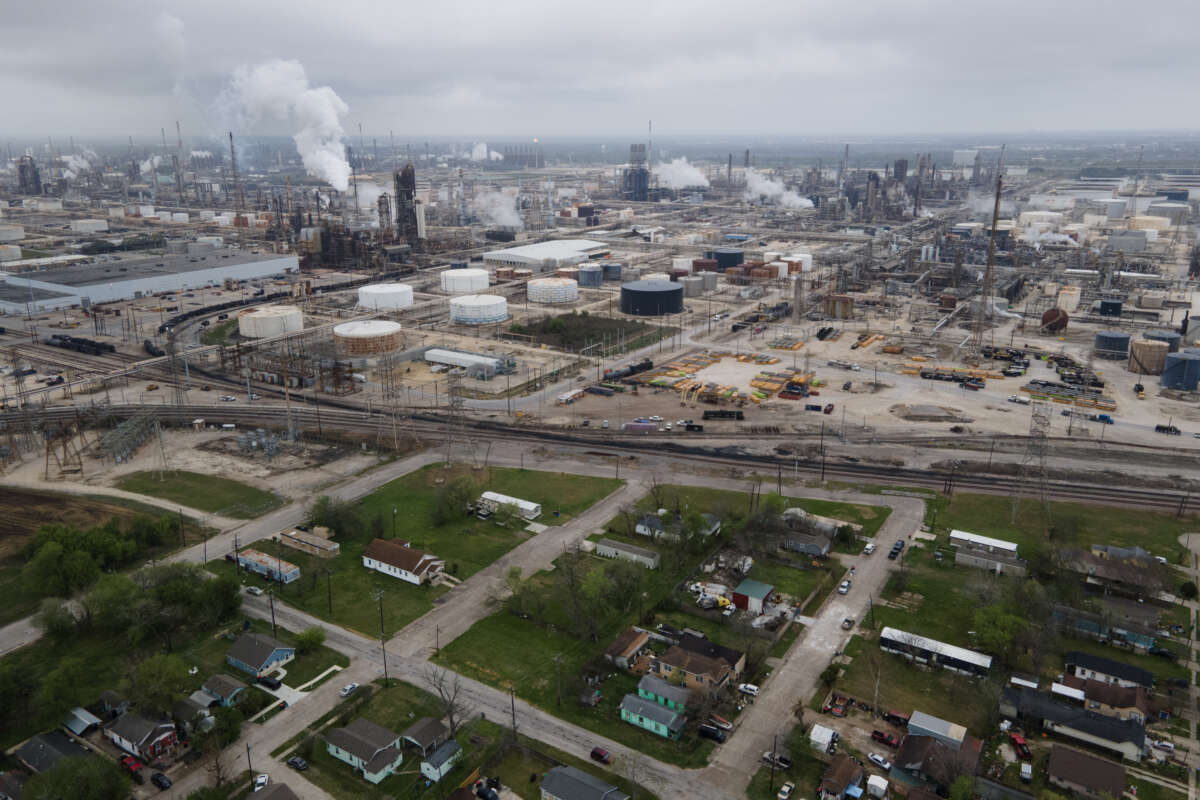
The Trump administration has proposed an end to the Environmental Protection Agency (EPA)’s Greenhouse Gas Reporting Program, which has required large industrial facilities to disclose their greenhouse gas emissions since 2010. This initiative has played a crucial role in collecting data on climate pollution from major U.S. polluters, offering essential information to the public and policymakers alike. Critics argue that the proposed termination of the program undermines the public’s right to know about climate emissions and hampers efforts to combat climate change.
The EPA’s Greenhouse Gas Reporting Program has been instrumental in tracking emissions data since its inception. According to the Political Economy Research Institute (PERI) at the University of Massachusetts Amherst, this reporting process has provided vital insights into the activities of the largest polluters in the country. In the recently released 2025 Greenhouse Gas Emissions Index, PERI detailed the emissions of various corporations, underscoring the potential consequences of the EPA’s proposed changes.
Top Polluters and Emission Trends
The latest Greenhouse Gas Emissions Index identifies the top emitters of greenhouse gases in the United States. The leading contributors remain predominantly fossil fuel-based power generation companies. Among them, Vistra Energy, Southern Company, and Duke Energy are at the forefront, collectively responsible for approximately 235 million metric tons of CO2 equivalent emissions. This figure constitutes nearly 4 percent of total U.S. contributions to climate change, which includes all sources such as transportation and residential heating.
The stability of this list over the years suggests that the major culprits of greenhouse gas emissions have largely remained unchanged, with only minor shifts due to corporate acquisitions or divestitures. Other significant players include Exxon Mobil, which ranks among the top ten polluters, not accounting for the emissions from the fuels it sells.
Impact on Environmental Justice and Local Communities
The implications of greenhouse gas emissions extend beyond global climate concerns; they also significantly impact local communities, particularly those with high percentages of residents of color living near pollution sources. PERI’s research highlights that many of the top polluters operate in states like Texas and Louisiana, where fossil fuel industries dominate. The emissions data reveals that companies such as LyondellBasell and BP have a substantial proportion of their facilities located near communities that are predominantly composed of people of color.
This local focus is crucial, as communities affected by emissions often experience health issues related to both greenhouse gases and co-pollutants like sulfur oxides and nitrogen oxides. The health benefits of reducing emissions could lead to fewer hospitalizations for respiratory conditions and other pollution-related diseases, providing immediate benefits to vulnerable populations.
The potential cessation of the EPA’s Greenhouse Gas Reporting Program raises concerns among environmental activists and public health advocates. Without this data, stakeholders, including local regulators and community organizations, may lack the necessary information to hold corporations accountable for their emissions. Michael Ash, a professor at PERI, emphasized the importance of the program, stating, “It’s a right-to-know disaster and it means that all of us will be operating in the dark.”
The proposed changes by the Trump administration also reflect a broader trend of diminishing federal support for clean energy initiatives. This has led to fears that corporate greenhouse gas emissions could increase as regulatory pressures lessen. In response to these challenges, some states are pursuing Climate Superfund Bills to hold corporations accountable for their environmental impact, drawing on models from the Superfund legislation designed to clean up hazardous waste sites.
As the landscape of environmental regulation shifts, the continuation of informed public discourse and activism will be vital. The elimination of the Greenhouse Gas Reporting Program could significantly hinder the ability to advocate for climate justice and transparency. The forthcoming years will likely see contentious debates over corporate responsibilities and the need for accurate emissions data, which are essential for effective climate action.