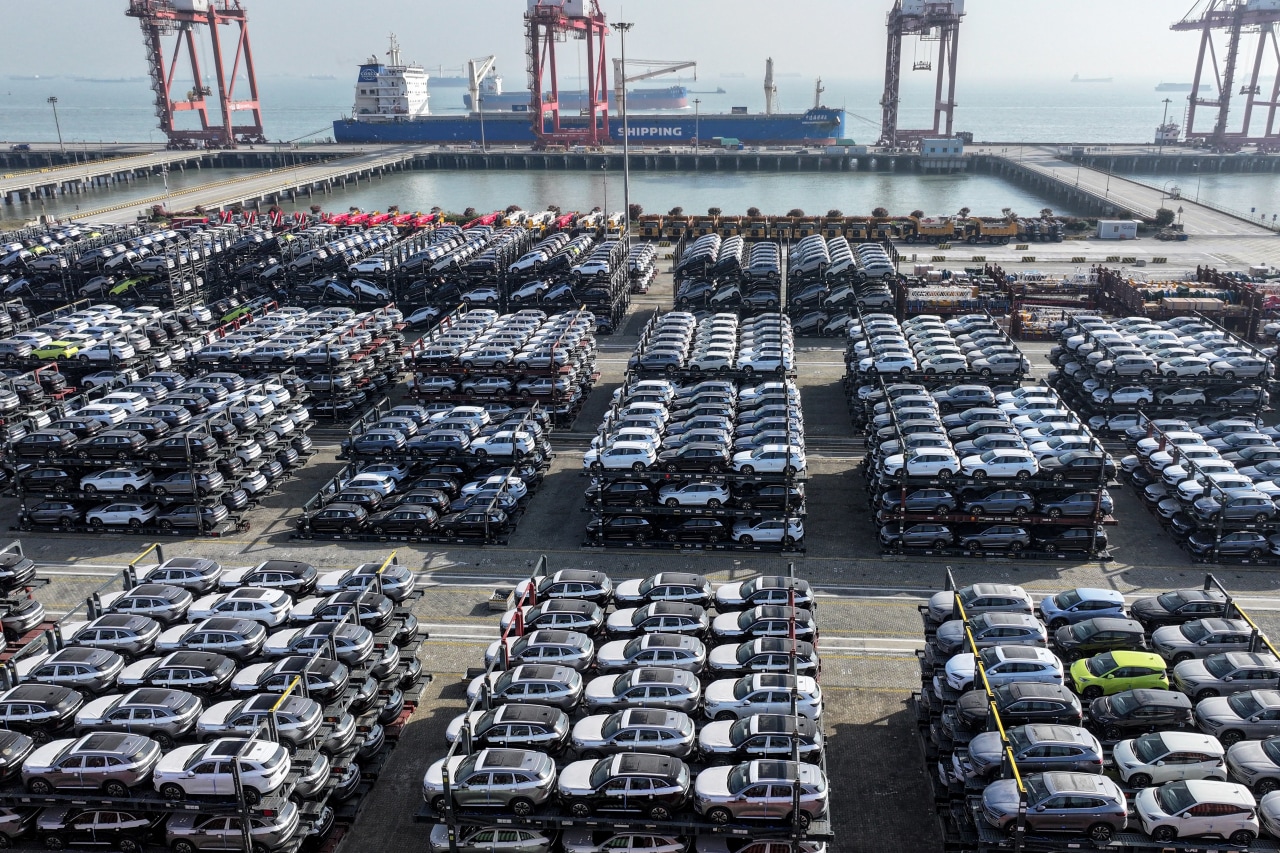
China’s Ministry of Commerce has called on Mexico to promptly amend its “unilateral, protectionist practices” regarding recently announced tariffs. This statement underscores rising tensions in international trade relations between the two nations. The Chinese government argues that these tariffs adversely affect its economic interests and can disrupt established trade dynamics.
In a recent communication, the Ministry emphasized the need for dialogue to resolve the ongoing tariff discrepancies. The Mexican government has imposed new tariffs on various Chinese goods, a move it claims is necessary to protect its domestic industries. China, however, contends that these actions are detrimental not only to Chinese businesses but also to Mexican consumers.
Impact on Bilateral Trade Relations
The trade relationship between China and Mexico is significant, with total trade reaching approximately $80 billion in 2022. The tariffs could jeopardize this economic partnership, leading to potential retaliatory measures. According to the Chinese Ministry, the tariffs create an environment of uncertainty that could hinder future investments and trade agreements.
Both countries have a history of cooperation in various sectors, including manufacturing, technology, and agriculture. The imposition of tariffs raises concerns about the long-term implications for businesses operating in both markets. Mexican producers may experience increased costs for raw materials, while Chinese exporters face reduced access to one of their key markets.
China’s Ministry articulated that the unilateral nature of Mexico’s tariffs could lead to a deterioration of trust between the two nations. It called for a collaborative approach to address any trade grievances, emphasizing that openness and mutual respect are essential for a healthy trade environment.
Broader Context in International Trade
This tariff dispute occurs against the backdrop of evolving global trade dynamics, with many countries reconsidering their trade policies to protect local industries. The term “protectionism” has become increasingly prominent in discussions surrounding international trade as nations grapple with economic recovery post-pandemic.
The Chinese government has been vocal about its stance against protectionist measures, asserting that they hinder free trade and economic growth. The Ministry of Commerce urged Mexico to consider the broader implications of these tariffs, not only for bilateral relations but also for regional trade stability.
As both nations navigate these challenges, the outcome of this dispute may influence future trade policies in Latin America and Asia. Business leaders and policymakers on both sides are keenly observing the situation, as any escalation could have ramifications beyond the immediate economic impacts.
The next steps in this dispute will be crucial. Both countries must weigh the benefits of collaboration against the risks of prolonged trade tensions. The world watches as China and Mexico seek to find common ground amid complex international trade challenges.