








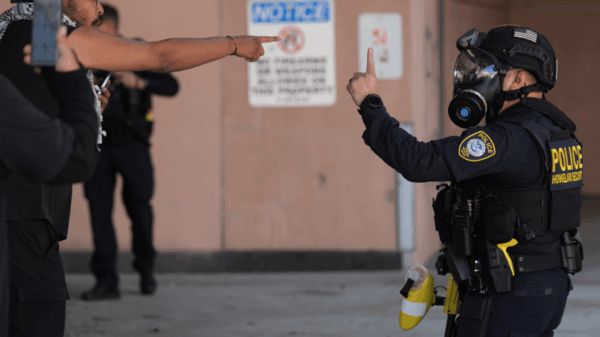























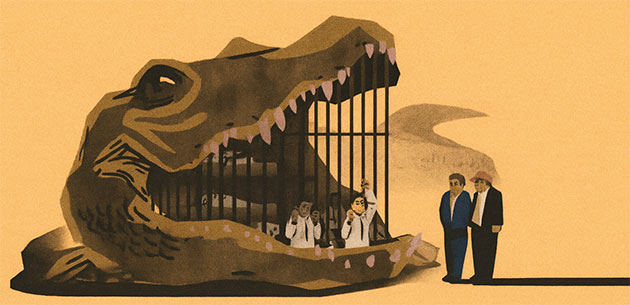
URGENT UPDATE: The United Nations is sounding the alarm over the sale of torture equipment at the recent Milipol 2025 security trade fair in Paris. From November 18 to 21, 2025, disturbing items designed for torture were prominently displayed, prompting calls for immediate regulatory action.
UN Special Rapporteur on Torture, Alice Jill Edwards, emphasized the need for rigorous oversight to prevent such abusive law enforcement tools from entering the market. “Direct-contact electric shock devices and multiple kinetic impact projectiles cause unnecessary suffering and ought to be banned,” Edwards stated. Her warning underscores the need for a global response to combat this growing threat.
The trade fair showcased a wide array of equipment identified as “inherently abusive,” including electric shock weapons and spiked anti-riot shields. Prominent companies from countries like Brazil, China, France, and the US were involved, raising concerns about human rights violations. Edwards condemned the presence of these items, stating, “It is grotesque that such products even exist.”
The EU Anti-Torture Regulation, in effect since 2006 and strengthened in 2019, prohibits the promotion and sale of specific equipment linked to torture. However, despite these regulations, the items found at Milipol reveal significant gaps in enforcement. Edwards urged that “the continued promotion of inherently abusive weapons highlights the urgent need for a legally binding Torture-Free Trade Treaty.”
Dr. Simon Adams, President and CEO of the Center for Victims of Torture (CVT), echoed these sentiments, stating that companies should not be allowed to market products designed solely for inflicting human suffering. He asserted, “Torture is illegal everywhere and at all times. This trade in human cruelty should be completely banned.”
In response to the revelations from Milipol, organizers took swift action, demanding the removal of offending items. However, Edwards noted that one state-owned company refused to comply, leading to the shutdown of its stall. “Milipol’s response was swift and responsible,” she said, but highlighted the necessity for constant vigilance to prevent future occurrences.
As the global community reacts, Edwards insists that regional measures alone will not suffice. “We need coordinated international regulation. Abusive equipment will simply find new markets, new routes, and new victims without a comprehensive approach,” she warned.
The stakes are high, as the issue of torture remains a pressing human rights concern. The call for a Torture-Free Trade Treaty is growing louder, with advocates urging for immediate international collaboration to outlaw the sale of such abusive tools.
Stay tuned as this story develops. The implications of these findings could reshape the landscape of human rights and law enforcement practices globally.