






































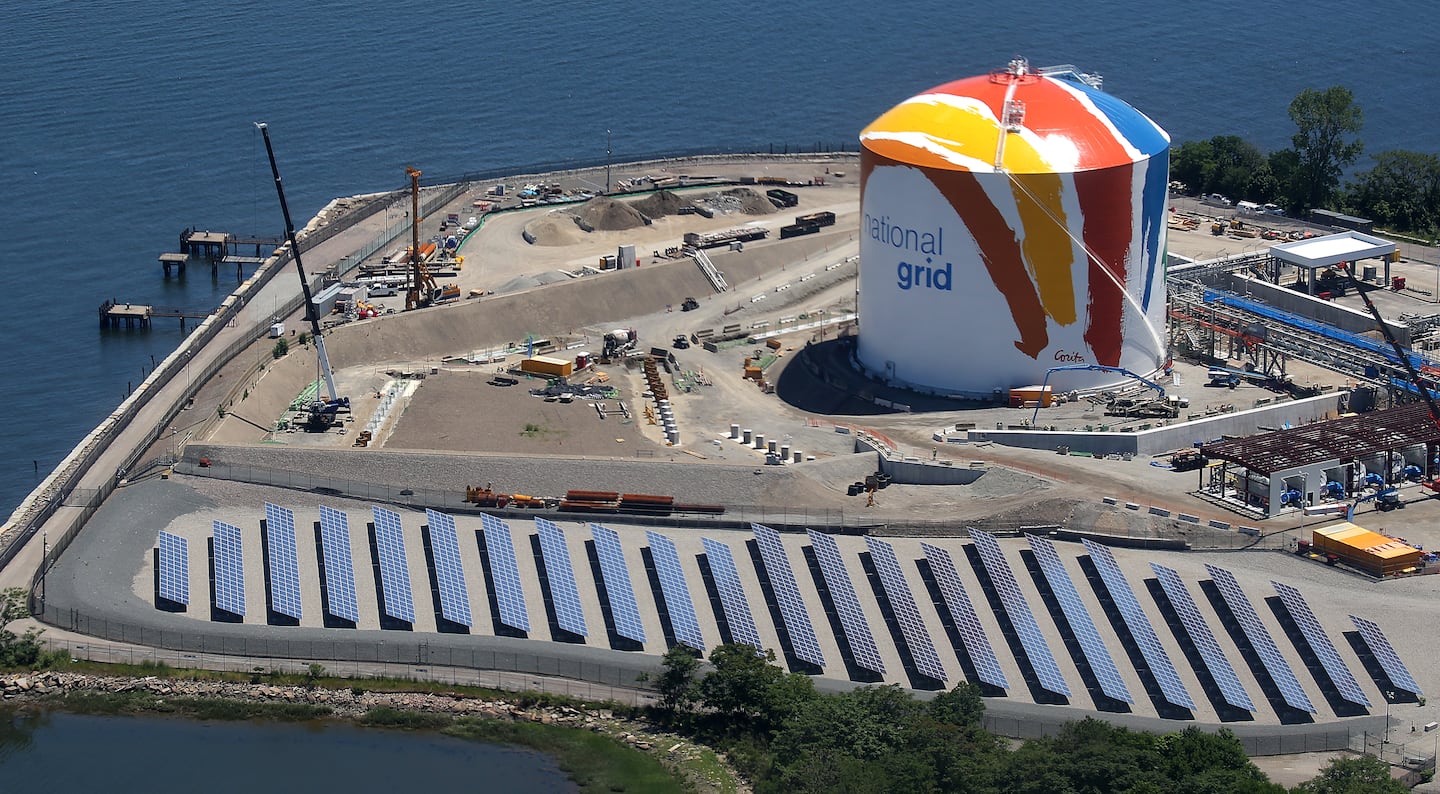
UPDATE: National Grid has just announced a shocking proposal to increase its base rate for natural gas by approximately 10 percent, intensifying the energy affordability crisis impacting Massachusetts households. This urgent development follows Liberty Utilities’ request to hike gas rates by an astounding 55 percent in the Fall River area, further burdening a population already grappling with skyrocketing energy costs.
The proposed rate hikes highlight a troubling trend: Massachusetts’ over-reliance on costly fossil fuels is a significant driver of rising energy expenses. As communities struggle to pay their bills, these repeated increases hit hardest on environmental justice communities, where residents already devote a disproportionate share of their income to energy expenses.
Cynthia Mendes, Massachusetts director for Clean Water Action, condemned National Grid’s strategy, stating, “Proposing a roughly 10 percent average rate hike that relies on fossil fuel infrastructure, when Massachusetts desperately needs decarbonization, amounts to fiscal malfeasance.” This sentiment echoes throughout communities facing dire choices as they confront the impending rate hikes.
Since 2010, initiatives like Mass Save have generated over $34 billion in benefits and savings while creating thousands of local jobs and decreasing reliance on expensive, polluting gas. Yet, as National Grid pushes forward with its proposal, the urgency for clean energy solutions becomes more apparent. Investments in renewable energy and energy efficiency are not just beneficial; they are essential for long-term affordability and sustainability.
With the recent shift by the Department of Public Utilities to end ratepayer-funded subsidies for new gas line extensions, new customers will now bear the full cost of connections—averaging around $9,000 per home. This policy change is part of Massachusetts’ broader strategy to achieve net-zero carbon emissions by 2050 but raises critical questions about the reliance on natural gas, especially given the aging infrastructure dating back to before 1970.
As the state grapples with these challenges, experts urge regulators to mandate a transition to proven heat pump technology. This shift would not only lower emissions but also stabilize long-term costs for residents, alleviating the financial strain caused by fluctuating gas prices.
The urgency of the situation cannot be overstated. As leaders across Massachusetts work to mitigate energy costs, the state must prioritize maintaining its leadership on climate initiatives, enhancing commitments to develop reliable, locally generated clean energy, and ensuring that efficiency upgrades are accessible to all residents.
As this situation develops, residents are encouraged to stay informed and advocate for policies that protect their interests while pushing for sustainable energy solutions. The time for action is NOW.