


























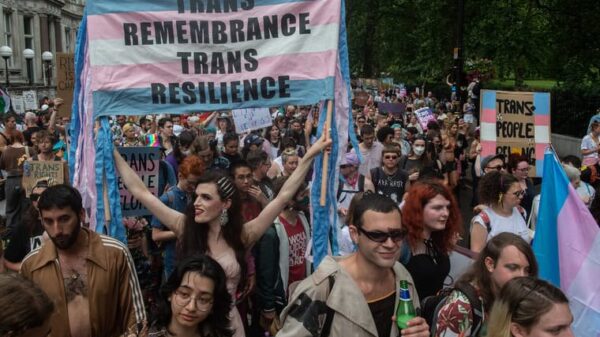

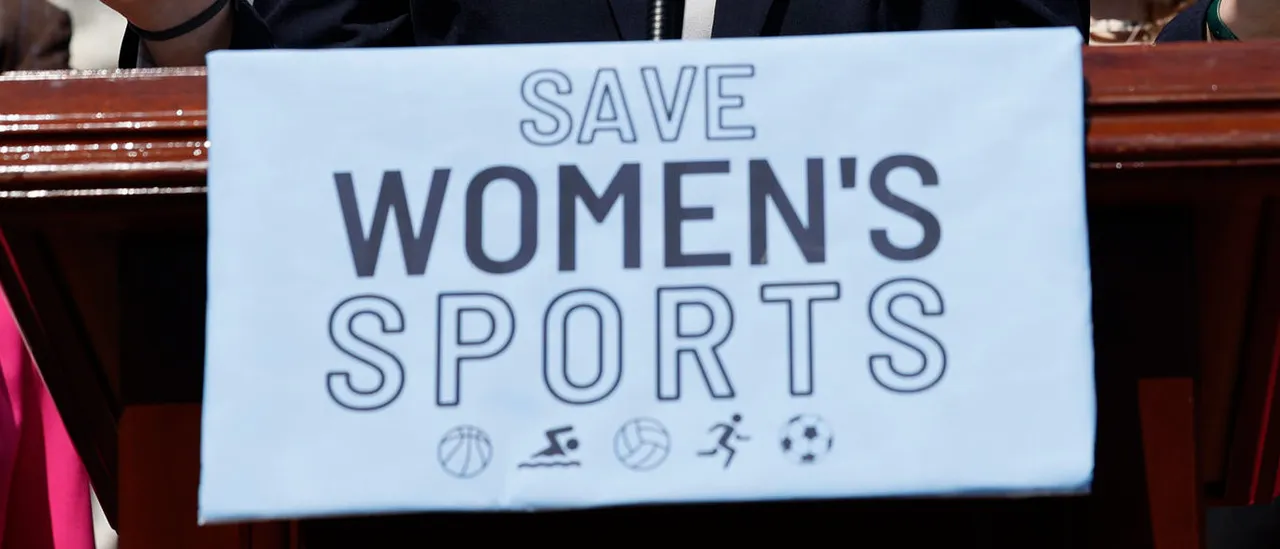
The International Olympic Committee (IOC) is reportedly contemplating a policy that would prohibit biological males from competing in women’s sports in time for the 2026 Winter Olympics in Milan. This potential shift could signal a significant change in the ongoing debate surrounding transgender athletes in competitive sports, reflecting a growing acknowledgment of concerns regarding fairness and safety in women’s competitions.
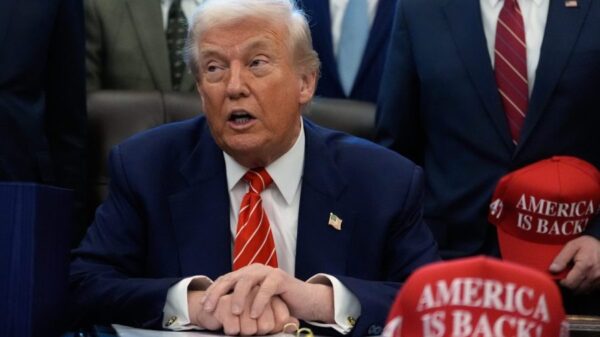
Following a 2025 executive order from former President Donald Trump, which banned biological males from women’s sports at the federal level, the U.S. Olympic Committee also aligned its policies with this directive. Major countries’ Olympic committees have already made similar decisions, indicating a broader movement away from the inclusion of biological males in female categories.
The discussion has gained traction, especially after a recent survey by Axios, which found that prominent progressive politicians largely refrained from directly affirming the notion that a man can become a woman, with the only clear response being a firm “no.” This suggests a potential shift in public sentiment towards the contentious issue of gender identity in sports.
Despite these developments, a faction within the educational sector appears resistant to moving away from current ideologies. Reports indicate that some U.S. educators are willing to disregard state laws and Title IX, risking federal funding to allow biological males access to facilities and competitions designated for females.
Undercover investigations conducted by Accuracy in Media (AIM) in 2025 revealed troubling practices within Ohio school districts. Administrators were caught on video discussing how they would overlook the biological sex of students wishing to participate in female sports. One staff member stated, “In my opinion, if we’re enrolling as a female, she plays sports as a female,” while another noted a “don’t ask, don’t tell” culture regarding students’ biological identities.
These revelations prompted Protect the Public’s Trust (PPT) to file formal complaints with the Trump administration, alleging that these schools were “demonstrating deliberate indifference to harassment” and violating both state law and federal regulations outlined in Title IX.
The situation is not isolated to Ohio. In 2025, PPT also filed a complaint against the Burlington School District (BSD) in Vermont, where educators attempted to circumvent laws prohibiting the use of Diversity, Equity, and Inclusion (DEI) principles in hiring practices. These actions indicate a broader trend of educational institutions grappling with the intersection of legal requirements and prevailing ideologies.
The reality is that while some may argue that more individuals are recognizing the need to protect women’s sports, the actions of many educators demonstrate a willingness to uphold these controversial practices despite legal restrictions. This raises concerns for parents, especially those in rural areas, who may find themselves unaware of the ideological agendas being pursued in their local schools.
The challenges in aligning educational practices with community values and legal standards reveal a persistent cultural divide. As educational leaders continue to promote policies that may conflict with both the law and common sense, there is a pressing need for public vigilance. The current environment suggests that changing the law alone may not suffice to deter educators from implementing practices that some view as harmful to children and detrimental to women’s sports.
The implications of these ongoing debates will likely shape the future landscape of sports and education in the U.S. As the IOC considers its policy on transgender athletes, the decisions made could reflect broader societal attitudes towards inclusivity and fairness in competitive environments.