





























BREAKING: New insights reveal how Hollywood played a pivotal role in building the air travel industry, intertwining film and aviation in a way that continues to impact both sectors. As millions prepare for holiday travel, this exploration highlights the historic contributions of Tinseltown to modern air travel.
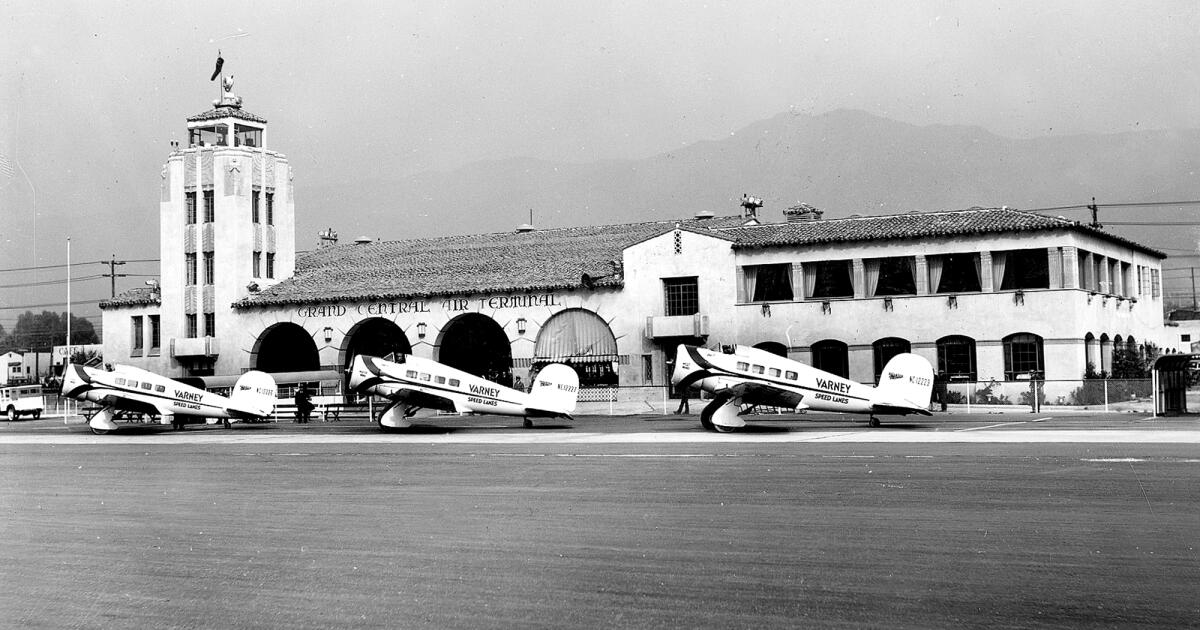
Hollywood’s influence on aviation is more profound than many realize. The Grand Central Air Terminal in Glendale, California, served as a launchpad for aviation milestones, including the record-breaking flight from Los Angeles to New York by Charles and Anne Morrow Lindbergh. Completed in 1929 and restored by Disney in 2014, this historic site remains a symbol of the rich connection between Hollywood and flight.
The connection dates back to the 1910 Los Angeles International Air Meet, which drew over 200,000 spectators and captivated the city’s elite. As Hollywood moguls invested in aviation, the first commercial airline, established by Cecil B. DeMille in 1918, became a reality at DeMille Field No. 1. This marked the beginning of a dynamic partnership between the film industry and aviation, which would flourish in the decades to come.
Hollywood’s fascination with flight led to numerous films celebrating the miracle of air travel. Iconic stars, including Shirley Temple, promoted air travel through their films, such as the 1934 classic “Bright Eyes.” As celebrities began to fly, they made their journeys public, inviting photographers to capture their arrivals and departures, further integrating air travel into popular culture.
However, the relationship wasn’t without its tragedies. Stunt pilot Ormer Locklear died in a horrific accident while filming, prompting Hollywood historians to recognize the dangers of aerial stunts. This tragedy led to innovations in filming techniques, including the use of remote-controlled planes, which laid the groundwork for modern drone technology.
As World War II approached, Hollywood studios collaborated with the military to camouflage the Lockheed Air Terminal in Burbank, ensuring it blended seamlessly into the suburban landscape. The success of this operation highlighted the strategic partnership between the entertainment industry and aviation during critical times.
Today, as we enter the holiday season, the enduring bond between Hollywood and aviation remains strong. The 2024 Netflix movie “Carry-On”, set primarily at LAX, showcases the airport’s significant role in film and culture. LAX, which opened in 1937, has been featured in countless films and continues to be a hub for celebrity sightings.
As air travel faces challenges in the modern economy, the legacy of Hollywood’s contributions to the aviation industry is more relevant than ever. The intersection of film and flight continues to inspire stories of adventure and possibility, capturing the imagination of millions around the world.
Stay tuned for more updates on this developing story as we explore the ongoing relationship between Hollywood and air travel.