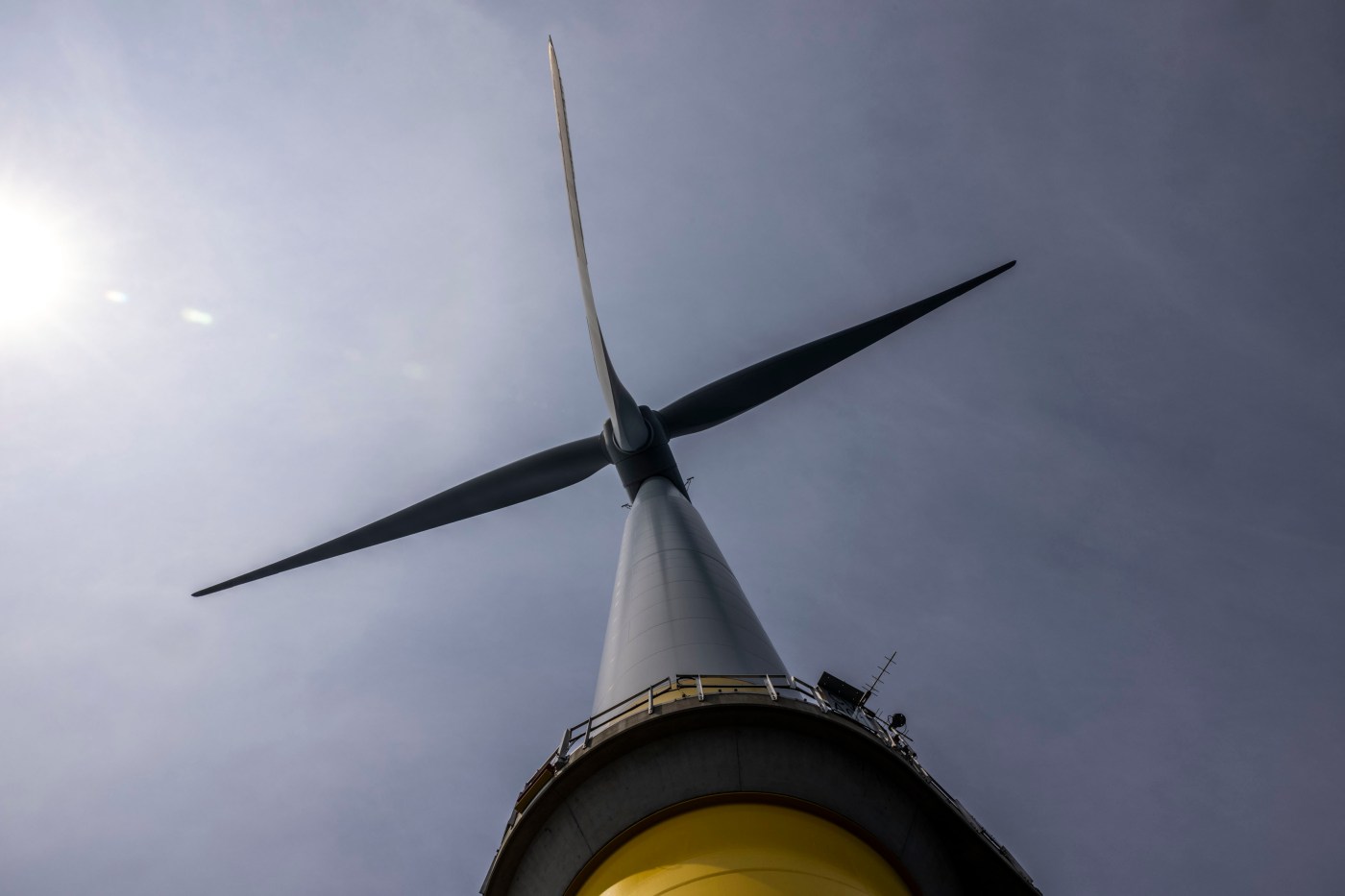
The suspension of the Coastal Virginia Offshore Wind project raises significant concerns about the future of renewable energy in the state. Virginia, which currently relies on fossil fuels for the majority of its energy, must accelerate the transition to clean energy to meet its environmental targets and energy demands. The halt of this offshore wind initiative jeopardizes progress on both fronts.
According to the National Audubon Society, developing clean and appropriately located renewable energy sources is crucial. Their January 2025 report, “Birds and Offshore Wind,” highlights the potential of offshore wind projects to generate substantial energy for coastal communities. While it is acknowledged that all energy infrastructures, including wind turbines, pose some risks to individual bird species, the overarching threat of climate change presents a far greater risk to both avian populations and human beings.
Data analysis indicates that if climate change is not mitigated, up to two-thirds of bird species in North America could face extinction. Birds serve as indicators of broader environmental health issues, with threats like habitat loss and changing ecosystems impacting all wildlife and, by extension, human populations.
From an economic perspective, the annual report from Lazard on the levelized cost of energy underscores that renewable sources are among the most cost-effective methods of energy generation, even without government subsidies. The report notes that the costs associated with battery storage have plummeted by over 90% since 2010 and are likely to decline further. Once installed, solar and wind energy systems become nearly free to operate.
The potential dual-use of solar farms is noteworthy, as they can also provide habitats for pollinators or support co-located agriculture, such as sheep farming beneath wind turbines. Additionally, the foundations of offshore wind turbines can act as artificial reefs, promoting marine biodiversity.
Currently, Virginia sources only 8% of its electricity from renewable energies, a stark contrast to states like Iowa, where wind and solar power supply 65% of electricity, or California, at 38%. This disparity underscores the urgent need for Virginia to expand its renewable energy portfolio.
Fossil fuel power plants incur construction and maintenance costs similar to renewable sources, but they face additional financial burdens related to the volatile prices of gas, oil, and coal. Furthermore, fossil fuels contribute to a range of environmental issues, including habitat destruction, air pollution, and greenhouse gas emissions that drive climate change. Communities located near fossil fuel power plants often experience adverse health effects due to emissions such as nitrogen oxides (NOx) and particulate matter (PM2.5).
The environmental impacts of fossil fuel extraction and consumption are substantial. Issues such as sea-level rise, increased frequency of forest fires, and severe weather events now result in tens of billions of dollars in damages annually in the United States. Heatwaves have intensified, leading to up to half a million fatalities globally each year.
The costs associated with fossil fuel environmental damage are not reflected on electricity bills but instead contribute to increased health care and insurance costs, infrastructure expenses, and the economic toll of natural disasters. If Virginia fails to decarbonize its economy and shift away from fossil fuels in the coming decades, the negative impacts on wildlife and human populations will likely escalate.
Advocates for clean energy, such as Rogard Ross, conservation chair for the Cape Henry Audubon Society and president of the Friends of Indian River, emphasize the need for Virginia to embrace renewable energy solutions. The transition to clean energy is not just an environmental imperative but an economic opportunity that could safeguard the future for both people and wildlife in the region.