






























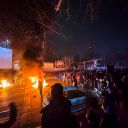
Large crowds have gathered in various cities across Iran to demonstrate support for the clerical regime, as anti-government protests continue into their third week. Video footage broadcast by state media depicts thousands of individuals in cities such as Kerman and Zahedan carrying images of Supreme Leader Ayatollah Ali Khamenei, holding copies of the Quran, and waving flags of the Islamic Republic. Reports indicate that protesters in Kerman chanted “Death to America,” reflecting rising tensions as the Iranian regime faces escalating domestic unrest.
The protests, which have resulted in at least 544 deaths, including eight children, are fueled by widespread discontent over economic hardships, government authoritarianism, and a violent crackdown on demonstrators. According to the Human Rights Activist New Agency (HRANA), over 10,681 individuals have been detained since the onset of the protests, raising concerns about the treatment of those in custody.
The Iranian government has initiated nationwide marches to bolster support for the regime and counteract what officials describe as acts of desecration against Islamic symbols. These rallies are scheduled for Monday at 14:00 local time (05:30 UTC). The regime’s call for demonstrations comes amid a backdrop of increasing violence and unrest.
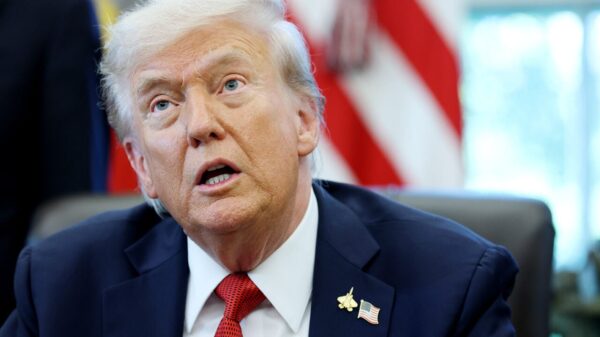
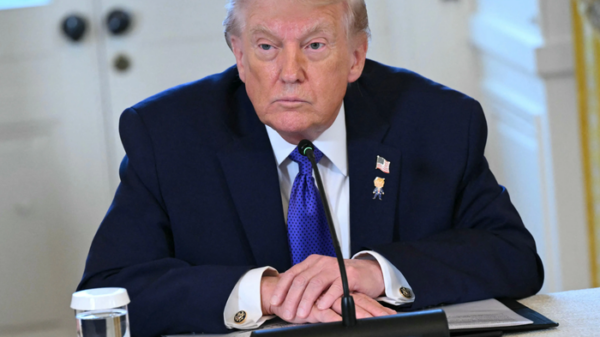
US President Donald Trump has heightened the stakes, indicating that the United States is considering military options in response to Iran’s actions. Officials within the Trump administration have communicated to media outlets that potential military strikes, in addition to new sanctions targeting Iranian officials and key economic sectors like energy, are under review. Trump stated, “The military is looking at it, and we’re looking at some very strong options.”
Iran has responded with stern warnings, asserting that any military intervention by the United States would be met with retaliation. Trump also mentioned a phone call from Iranian officials seeking negotiations, suggesting that they may be weary of ongoing tensions. His remarks imply a complex interplay between diplomacy and military readiness, positioning the US as a significant player in the unfolding crisis.
In recent days, reports emerged of a disturbing incident in Los Angeles, where the driver of a U-Haul truck drove through a crowd of anti-Iranian government protesters. The driver has since been detained, and while one individual sustained minor injuries, the incident highlights the ramifications of the protests that have resonated beyond Iran’s borders.
Despite a significant internet blackout imposed by Iranian authorities, which has lasted for over 84 hours, efforts to gather information on the protests continue. Cybersecurity watchdog NetBlocks confirmed the shutdown has severely limited communications, complicating the ability to assess the full scope of the situation. This blackout has also hindered families’ efforts to locate missing loved ones, as reports from the Kahrizak Forensic Medical Center reveal heart-wrenching scenes of relatives searching for the deceased among numerous bodies.
As the death toll rises, funerals for the victims have become sites of defiance. Video footage from the Behesht-e Zahra cemetery in Tehran shows mourners openly chanting anti-government slogans, including “Death to Khamenei.” The emotional weight of these gatherings underscores the profound grief and outrage felt across the nation.
In the face of this upheaval, Iran’s government is grappling with a crisis that poses one of the most significant challenges to its authority in years. The international community watches closely as events unfold, with the potential for further escalation if military options are pursued. The situation remains fluid, with the potential for both domestic and international consequences as protests continue to shape the narrative in Iran.