







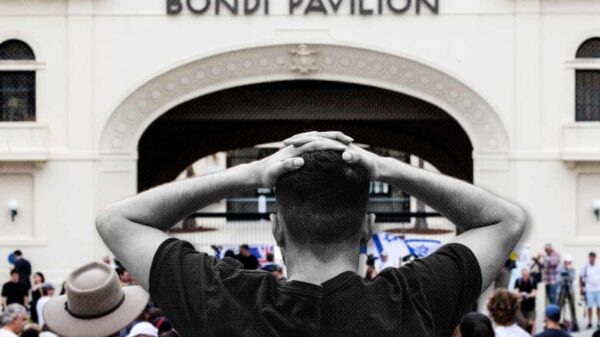
























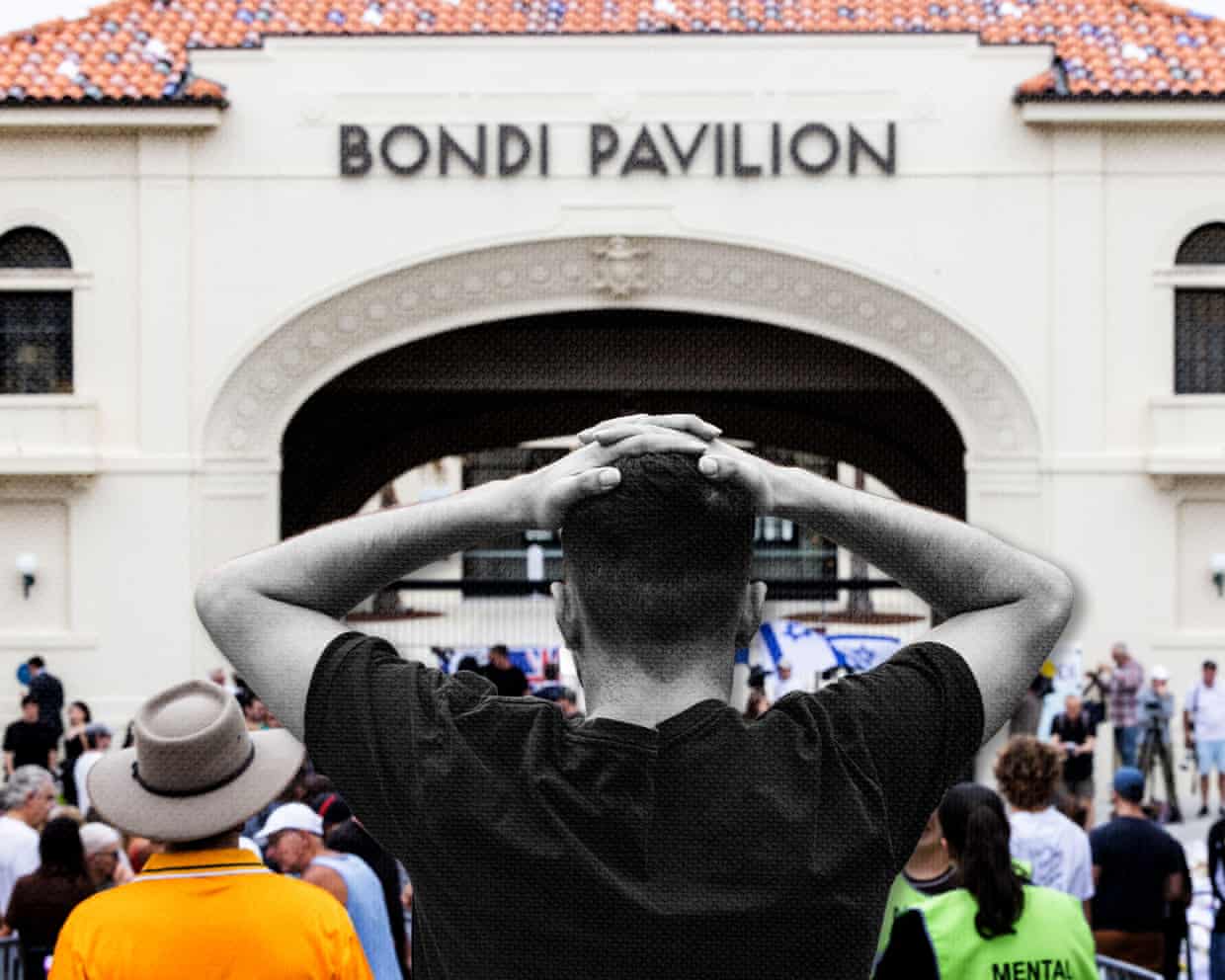
The recent terror attack in Bondi has left Australia grappling with profound questions about division and community. Two individuals tragically lost their lives during this unthinkable act of violence, shattering the sense of security many Australians take for granted. The incident has reignited discussions around the motivations behind such attacks and the measures necessary to prevent them.
According to reports, the alleged attackers had been staying at a bed and breakfast in Campsie prior to the incident. This unsettling background adds layers to an already complex narrative. The attack has deeply affected both the Jewish and Muslim communities in Australia, prompting young members of these groups to question their safety and the roots of such hatred. Thomas Keneally, an acclaimed Australian novelist, expressed the heartbreak of young Jews asking their parents why they are targets of animosity.
Community Responses and Civic Pride
In the face of horror, stories of bravery emerged. A Muslim man, Ahmed al Ahmed, intervened during the attack, successfully disarming one of the gunmen. His actions serve as a poignant reminder of the potential for solidarity amidst chaos. Keneally noted this moment of courage, highlighting a small glimmer of hope amid the overwhelming tragedy.
The attack has sparked a wave of introspection regarding the role of political leadership in addressing the root causes of such violence. Some, including Israeli Prime Minister Benjamin Netanyahu, have pointed fingers at the Australian government, suggesting that support for a two-state solution may have contributed to the incident. However, Keneally challenges this notion, arguing that the complexities of the situation cannot be simplified to political disagreements.
Questions Around Gun Control and Security
Another critical discussion arising from the Bondi attack focuses on firearms accessibility. Questions have been raised about how the alleged attackers obtained their weapons, with many calling for stricter gun control measures. Keneally emphasized that the availability of legal firearms should have raised immediate concerns, suggesting that preventive measures were overlooked.
The tragedy has sparked a wider conversation about the implications of heightened security in public spaces. While some may argue that increased police presence could deter future attacks, others express concern that such measures might lead to an oppressive atmosphere, particularly in environments meant for celebration and community bonding.
As the nation reflects on the events of that fateful day, there is a growing recognition that division and hostility will not lead to peace. Keneally poignantly reminds us that when terror strikes, it challenges the fundamental trust we place in our communities. “There is no peace by setting one group of society against another,” he stated.
The aftermath of the Bondi attack has shown that while we may be confronted with fear and uncertainty, we must strive to foster understanding and dialogue instead of succumbing to anger and division. In the words of Keneally, acts of terror aim to silence debate and provoke conflict, but it is through unity and compassion that communities can heal and move forward.
Support services are available for those affected by the tragedy. In Australia, individuals can reach out to Beyond Blue at 1300 22 4636, Lifeline at 13 11 14, and Griefline at 1300 845 745. In the UK, Mind offers support at 0300 123 3393. Additional international helplines can be found at befrienders.org.