





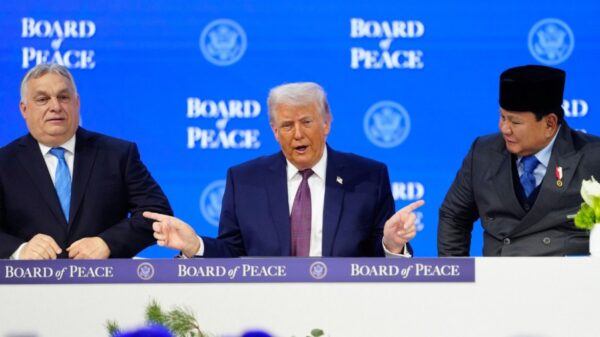

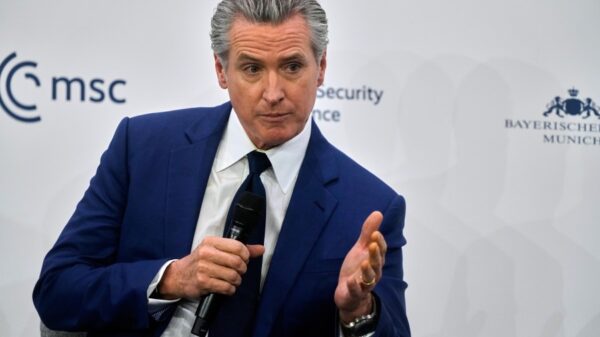
































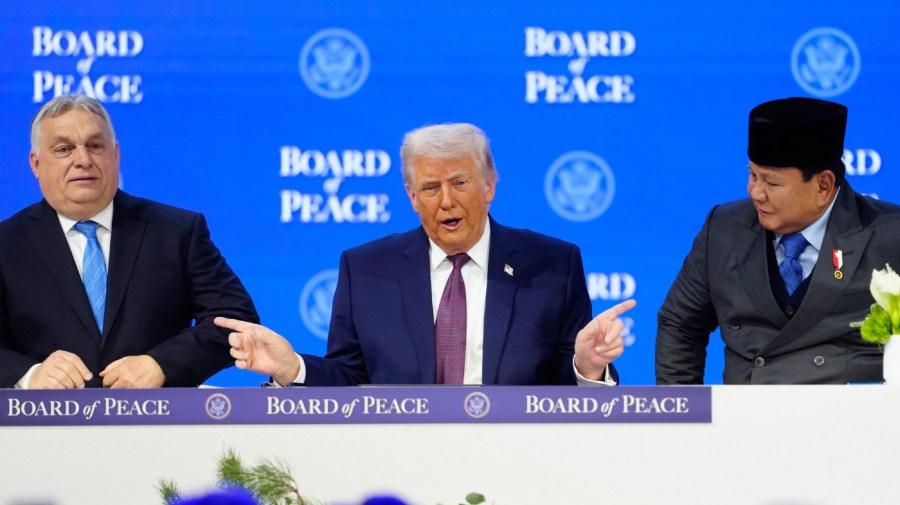
The recent establishment of the Board of Peace by former President Donald Trump has sparked significant debate regarding its effectiveness compared to traditional diplomatic efforts. Critics argue that this initiative, which has been humorously labeled as the “Legion of Doom” by comedian Jimmy Kimmel, may lack the depth and credibility necessary to address complex global issues.
While the Board of Peace aims to promote international cooperation, many observers emphasize the enduring significance of established institutions like the United Nations (UN). The UN has a long-standing history of mediating conflicts and fostering dialogue among nations, a role that the Board of Peace may struggle to fulfill given its limited scope and resources.
Concerns Over Credibility and Effectiveness
The Board of Peace, as envisioned by Trump, appears to prioritize a more informal approach to diplomacy. This has raised questions about its ability to effectuate meaningful change on the global stage. Critics highlight that the UN, with its extensive framework for peacekeeping and conflict resolution, remains an essential player in international relations.
The UN’s mechanisms for addressing critical issues, such as humanitarian crises, climate change, and security threats, are well-established. In contrast, the Board of Peace, led by a chairman who seems disengaged from the complexity of global peace initiatives, may not be equipped to tackle these challenges effectively.
As international tensions rise, many experts argue that reliance on unconventional diplomatic measures could lead to missed opportunities for substantive engagement. The UN’s multilateral platform allows for diverse perspectives, which are crucial for crafting lasting solutions to conflicts.
The Global Community’s Reaction
The international community has responded with skepticism regarding the Board of Peace’s potential impact. Some analysts suggest that this initiative could divert attention and resources away from existing frameworks that have proven effective over time.
Global leaders are watching closely as the Board of Peace seeks to assert its relevance in a world increasingly defined by polarized viewpoints and complex geopolitical dynamics. The UN’s established legitimacy and experience in peacekeeping operations continue to underscore its importance in fostering global stability.
In a time of heightened global uncertainty, the comparison between Trump’s Board of Peace and the UN illustrates a critical juncture in international diplomacy. While innovative approaches to peace are necessary, many argue that they should complement rather than replace established institutions that have a track record of promoting dialogue and cooperation among nations.
As discussions continue, the impact of both initiatives on future peace efforts will be key to shaping international relations in the coming years. The ongoing dialogue surrounding the UN and the Board of Peace serves as a reminder of the complexities involved in global governance and the need for collaborative approaches to address pressing challenges.