































A significant project aimed at producing clean hydrogen in North Dakota is currently stalled due to shifting federal policies and the withdrawal of key partnerships. The Heartland Hydrogen Hub, designed to create commercial-scale quantities of clean hydrogen for low-carbon nitrogen fertilizer, is facing challenges as federal funding and guidance remain uncertain.
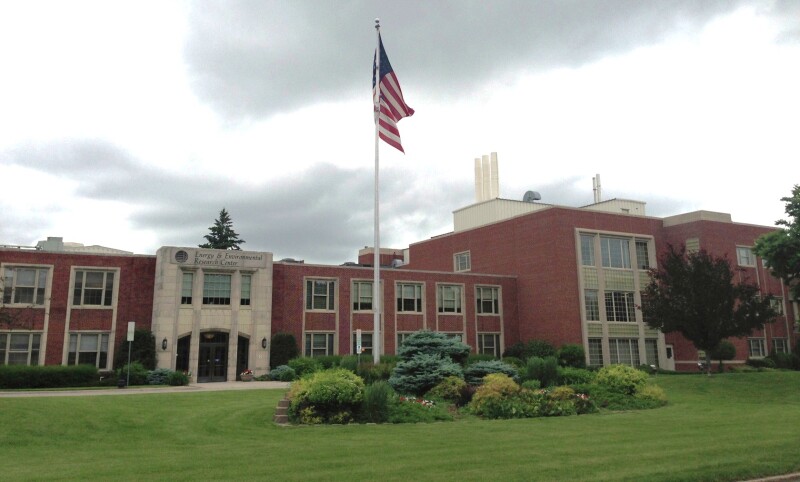
According to John Harju, vice president for Strategic Partnerships at the University of North Dakota Energy and Environmental Research Center (EERC), the hub’s development has been hampered by a lack of new federal contracts and changing priorities within the federal government. This hub is one of seven proposed across the United States, intended to bolster the nation’s hydrogen production capacity.
In October 2023, the U.S. Department of Energy (DOE) announced the cancellation of $2.2 billion in funding for two hubs on the West Coast that were set to produce hydrogen using clean energy. The fate of the remaining five hubs, including the North Dakota project, remains unclear. Harju has indicated that ongoing uncertainty is causing significant hesitation among investors and stakeholders.
The issues primarily stem from conflicting policies between the DOE and the U.S. Department of the Treasury, particularly concerning the 45V tax credit aimed at supporting hydrogen production. A draft guidance released in December 2023 introduced new requirements that complicate funding for these projects, leading to what Harju describes as a state of “uncertainty.”
One of the key setbacks for the Heartland Hydrogen Hub was the withdrawal of a crucial partner, Marathon Petroleum, which pulled out in July 2024 due to financial concerns stemming from the ambiguous federal guidelines. This withdrawal affected a planned $2.5 billion facility that was expected to secure approximately $400 million in funding.
Additionally, the eligibility of energy sources for tax credits has come under scrutiny. Both Xcel Energy’s nuclear facility and a constrained wind farm in South Dakota were initially deemed ineligible for the tax credit based on the “incrementality” test, which excludes facilities older than three years. This has hindered the hub’s ability to utilize expected resources effectively.
In light of these challenges, the Office of Clean Energy Demonstrations (OCED) has been reorganized, leading to delays in the contracting process for projects already selected for funding. The lack of clear guidance from the federal government complicates efforts to secure commitments from commercial clients, further stalling the initiative.
The Heartland Hydrogen Hub was conceived as part of the broader strategy initiated by the Infrastructure Investment and Jobs Act passed in November 2021. This legislation aimed to establish hydrogen hubs nationwide as part of a long-term vision for reducing greenhouse gas emissions through innovative energy solutions. Harju noted the legislative history, which began with the Energy Policy Act of 2020, underscoring the gradual evolution of the hub’s concept.
By September 2022, EERC had submitted a concept paper to the DOE, which was one of many under consideration. Following several stages of evaluation and refinement, EERC was notified in October 2023 that it would receive an award for the project. However, the subsequent draft guidance created significant barriers to progress.
Despite the setbacks, Harju remains optimistic about the potential of the Heartland Hydrogen Hub. He and his team are exploring alternative projects that align with regional resources, such as utilizing North Dakota’s abundant natural gas for hydrogen production and decarbonizing the steel industry in northern Minnesota. Yet, as he noted, the “clock is ticking” on getting these projects underway.
Support from local and federal lawmakers remains crucial for the hub’s future. U.S. Senator John Hoeven pledged to work with EERC to ensure taxpayer dollars are used effectively while seeking additional federal support for complementary energy initiatives. U.S. Senator Kevin Cramer highlighted the establishment of an appeals process for hydrogen hub projects facing funding cuts, although the Heartland Hub has not yet been officially notified of any changes to its status.
As the Heartland Hydrogen Hub navigates these challenges, the focus remains on securing clarity and support from federal authorities to revitalize the project and fulfill its promise of advancing clean hydrogen production in the region.