






































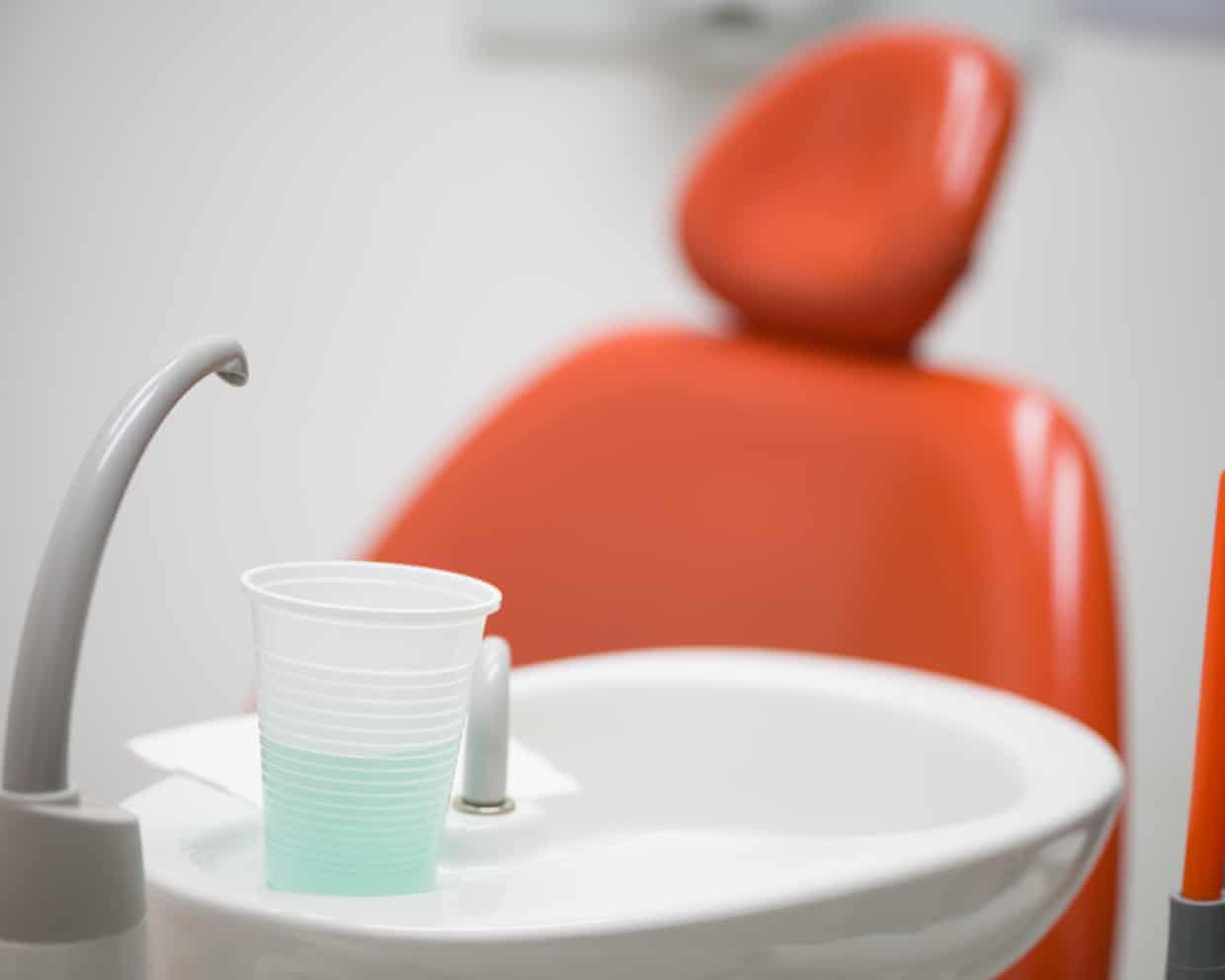
Patients in England are increasingly finding themselves without access to urgent dental care, prompting some to resort to dangerous self-treatment methods, including pulling out their own teeth. According to a report by Healthwatch England, individuals facing dental emergencies, such as broken teeth or severe pain, are struggling to secure timely appointments. This issue persists despite guidance that emergency dental care should be readily available.
Patients experiencing sudden dental crises are advised to seek help from their dentist or contact NHS 111. However, the findings indicate that many are unable to get appointments, with some forced to travel distances exceeding 100 miles or pay substantial amounts for private care. In extreme cases, individuals have even sought treatment abroad.
Healthwatch England’s research highlights a troubling trend where people are not only unable to register with an NHS dentist for routine care but also face prolonged waits for emergencies. The organisation states in its blog, “People across England tell us they are unable to sign up with an NHS dentist for routine care.” This lack of access leads to delays in treatment, escalating urgent dental issues that could have been prevented.
The government has pledged to enhance dental care accessibility, committing to an additional 700,000 urgent appointments annually through to 2028-29. In cases of dental emergencies, patients should ideally receive an urgent appointment within 24 hours or within seven days, depending on the severity of their symptoms. These appointments can be arranged through regular NHS dentists or by calling NHS 111, which is expected to provide information on practices available for urgent care.
Recent data from NHS 111 indicates a significant rise in calls regarding dental issues. Between July and September 2025, call volumes were approximately 20% higher than the same period the previous year. Local Healthwatch teams in the North-East conducted tests by making numerous calls to urgent services, often without success in securing appointments. Many patients report exhausting efforts to obtain urgent care, with hours spent on hold or receiving referrals that lead to no available appointments.
When patients do manage to access urgent dental services, the relief often proves temporary. The blog points out, “When urgent dental services shift from being a safety net for occasional crises to a default route for care, prevention is neglected, and patients suffer.” Reports reveal that individuals are enduring severe pain and sleepless nights, with many feeling compelled to pay for private treatment, borrow funds, or use pension savings to manage costs.
In some instances, patients have described journeys exceeding 110 miles for urgent appointments, with round trips taking between two to five hours. The situation has escalated to the point where some individuals resort to self-treatment or taking unprescribed antibiotics, which poses serious health risks.
Healthwatch England has made several recommendations to improve the situation, including urging the NHS Business Services Authority to publish monthly progress data on the target for 700,000 urgent appointments. The organisation advocates for the introduction of a legal right for individuals to register with an NHS dentist, which would enhance access and strengthen patient pathways while supporting long-term planning.
In response to the crisis, a spokesperson for the Department of Health and Social Care stated, “This government inherited an NHS dental system decayed after years of neglect. We are working hard to turn things around, rolling out extra urgent dental appointments and reforming the dental contract to increase capacity and get more NHS dentists on the frontline.” While acknowledging that there is significant work to be done, the government remains determined to address the challenges facing England’s dental sector.