



























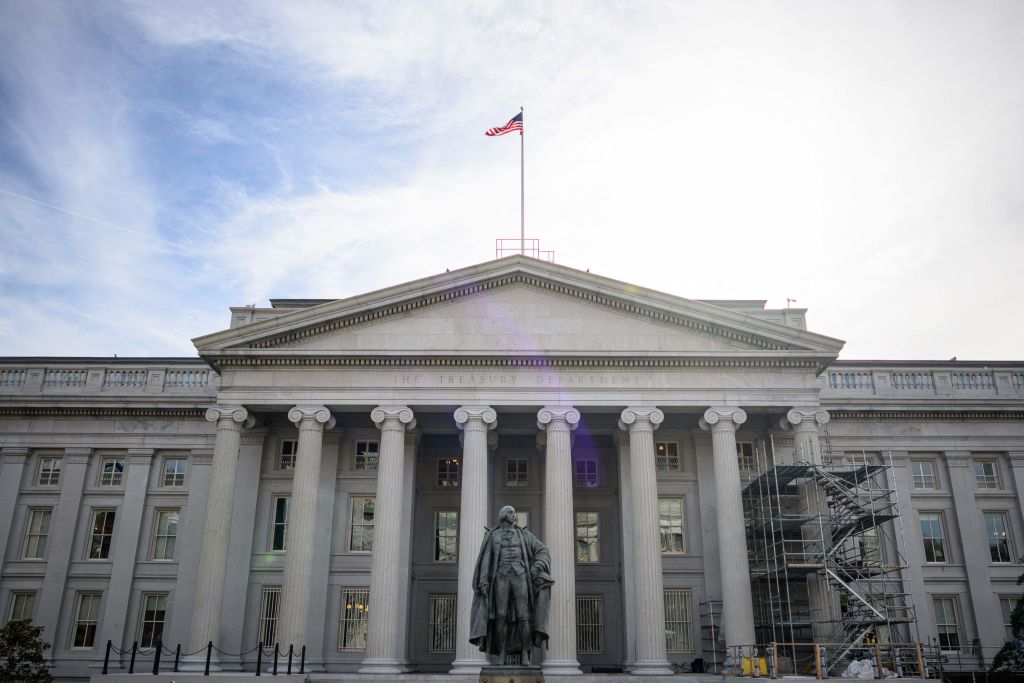
UPDATE: The United States has just sanctioned over 150 individuals and companies for their involvement in drug trafficking and money laundering. This urgent crackdown reflects a significant escalation in efforts to disrupt criminal networks linked to major drug cartels.
This year alone, 64 individuals and 87 companies have been blacklisted, freezing their assets within U.S. jurisdiction. U.S. citizens and businesses are now prohibited from engaging in any transactions with these entities. A comprehensive database from Milenio reveals the extensive reach of this crackdown, targeting not only Mexican drug operatives but also individuals from Colombia, Albania, India, and Canada.
Among the notable names is Ryan James Wedding, a former Canadian Olympian who has been linked to the notorious Sinaloa Cartel. Wedding, now on the FBI’s Ten Most Wanted Fugitives list, is accused of coordinating the trafficking of tons of cocaine through Colombia and Mexico for distribution across North America. U.S. officials allege that his criminal organization used cryptocurrencies to launder illicit drug proceeds.
Of the 64 individuals sanctioned, 55 are Mexican, while others hail from Albania (4), Colombia (2), India (2), and Canada (1). Most operated within Mexican territory. In an unprecedented move, 35 individuals have been designated under terrorism authorities, with at least 26 tied to the Sinaloa Cartel and 16 connected to the Cártel Jalisco Nueva Generación (CJNG), led by Nemesio Oseguera Cervantes, known as “El Mencho.”
Significant sanctions against cartel affiliates were announced in November, targeting the Hysa family, who allegedly used gambling businesses in Mexico to launder millions for the Sinaloa Cartel. Most of the sanctioned companies are not large corporations but networks of small businesses, including fuel suppliers and entertainment venues, reportedly serving as financial conduits for criminal activities.
Reports indicate that nearly two-thirds of the sanctioned companies are linked to terrorism, with a further 30 flagged for organized crime. The majority of these companies operate in just 12 states in Mexico, with a concentration of 49 out of 87 companies in Sinaloa, Baja California, and Jalisco, accounting for approximately 56 percent of all sanctions. Other affected states include Nuevo León (12 companies) and Quintana Roo (10 companies).
As the U.S. government ramps up its efforts to combat drug trafficking and money laundering, officials are urging vigilance across all sectors. The implications of these sanctions extend far beyond financial penalties, aiming to dismantle the operational capabilities of these criminal networks.
Moving forward, observers will be closely monitoring further developments as the U.S. continues to intensify its battle against drug-related crime. Share this urgent update to keep others informed about these significant actions against organized crime.