



































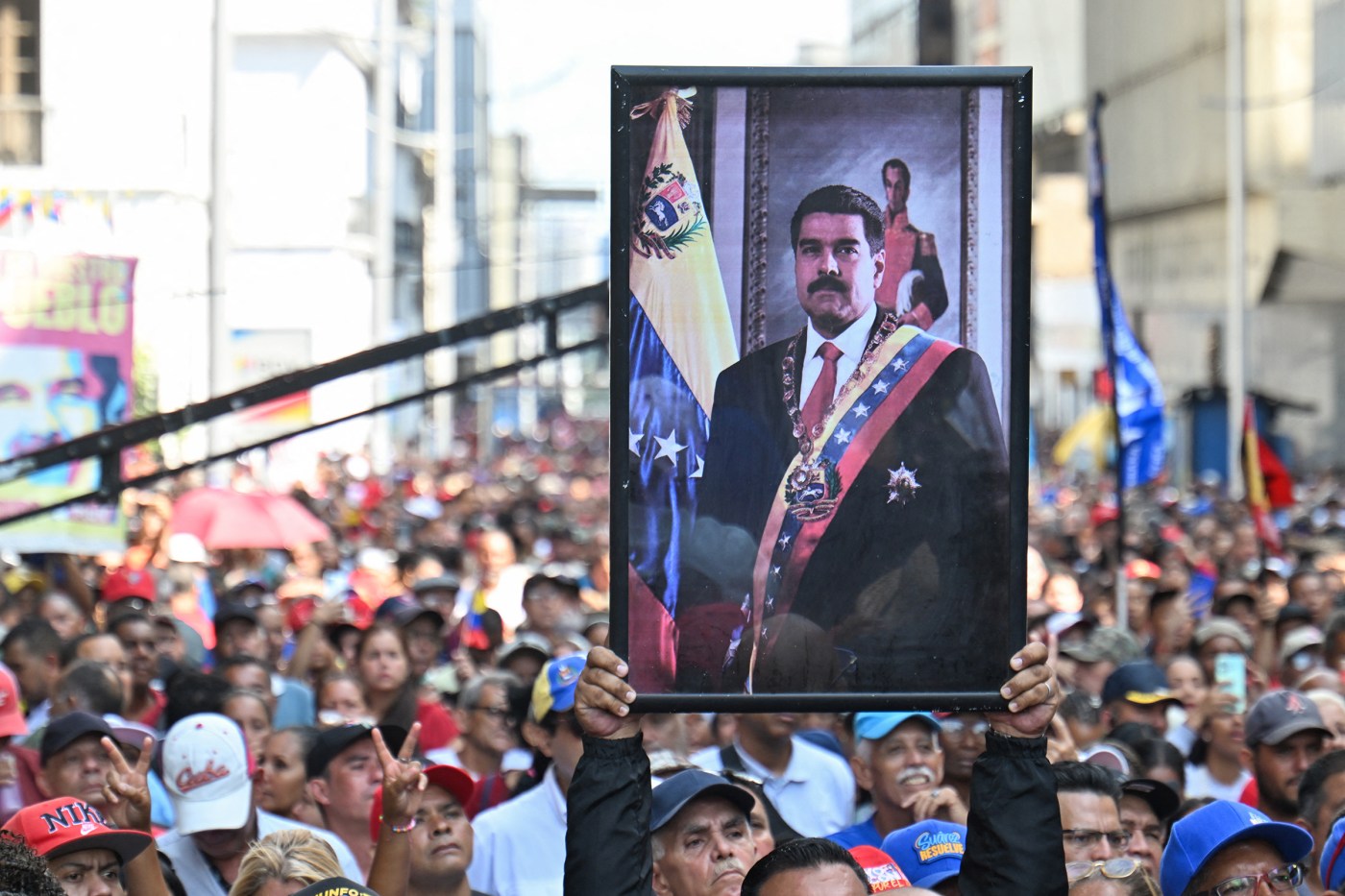
A recent U.S. military operation resulted in the capture of Venezuelan leader Nicolás Maduro, who now faces serious criminal charges in the United States. On Monday, March 4, 2024, Maduro was arraigned at the Metropolitan Detention Center in Brooklyn, New York, following his extradition from Venezuela on charges including drug trafficking, narcoterrorism, and weapons offenses. His abrupt fall from power occurred after a series of coordinated airstrikes targeted Venezuelan airfields, neutralizing air defenses and enabling U.S. special operations forces to extract him from his residence.
This operation unfolded under the cover of darkness, illustrating a significant shift in U.S. foreign policy in the region. Venezuelans awoke to the shocking news that the man who had ruled the country for nearly 13 years had been taken from his bed and extradited to face justice in the U.S. Such a decisive action raises questions about the implications for U.S.-Latin America relations moving forward.
U.S. Ambitions in Latin America
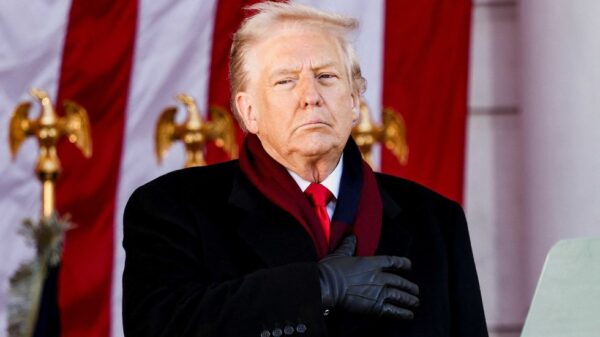
The events surrounding Maduro’s capture highlight a broader narrative concerning U.S. dominance over Latin America. Historically, the United States has engaged in numerous covert actions aimed at influencing the political landscape of its neighboring countries. This trend has continued under President Donald Trump, whose administration has focused on asserting U.S. power in a more direct and aggressive manner.
Trump’s stance on Maduro has been unequivocal; he has referred to him as a “master manipulator” and a key figure in the drug trade, claiming that his removal from power is essential to curbing the flow of narcotics into the United States. Unlike previous administrations, Trump’s approach has been characterized by a lack of subtlety, employing a straightforward narrative that positions the U.S. as the enforcer of its own interests in the region.
While Maduro is widely condemned for his governance, with many viewing him as a dictator, the method of his capture raises concerns about sovereignty. For many Latin American nations, particularly those led by leftist or center-left leaders, the operation serves as a reminder of U.S. interventions that violate national autonomy. The manner in which such actions are conducted can potentially fuel anti-American sentiment across the region.
Potential Consequences and Future Actions
The successful operation against Maduro could embolden the Trump administration to pursue similar actions in the future, heightening tensions in already complex geopolitical landscapes. Speculation has emerged regarding further military interventions, including potential strikes against cocaine labs in Colombia and renewed discussions about U.S. military presence in Latin America.
The expectation of compliance from neighboring countries has shifted, as the U.S. appears to be asserting a new level of authority. Many in the region are now left to ponder the implications of this bold maneuver for their own political stability and relations with the United States.
As the story unfolds, Maduro’s arrest may be just the beginning of a new chapter in U.S.-Latin America relations, one marked by a clear expectation of subservience from regional neighbors. The future of diplomacy in the Western Hemisphere remains uncertain, as the balance of power continues to shift in favor of U.S. dominance.