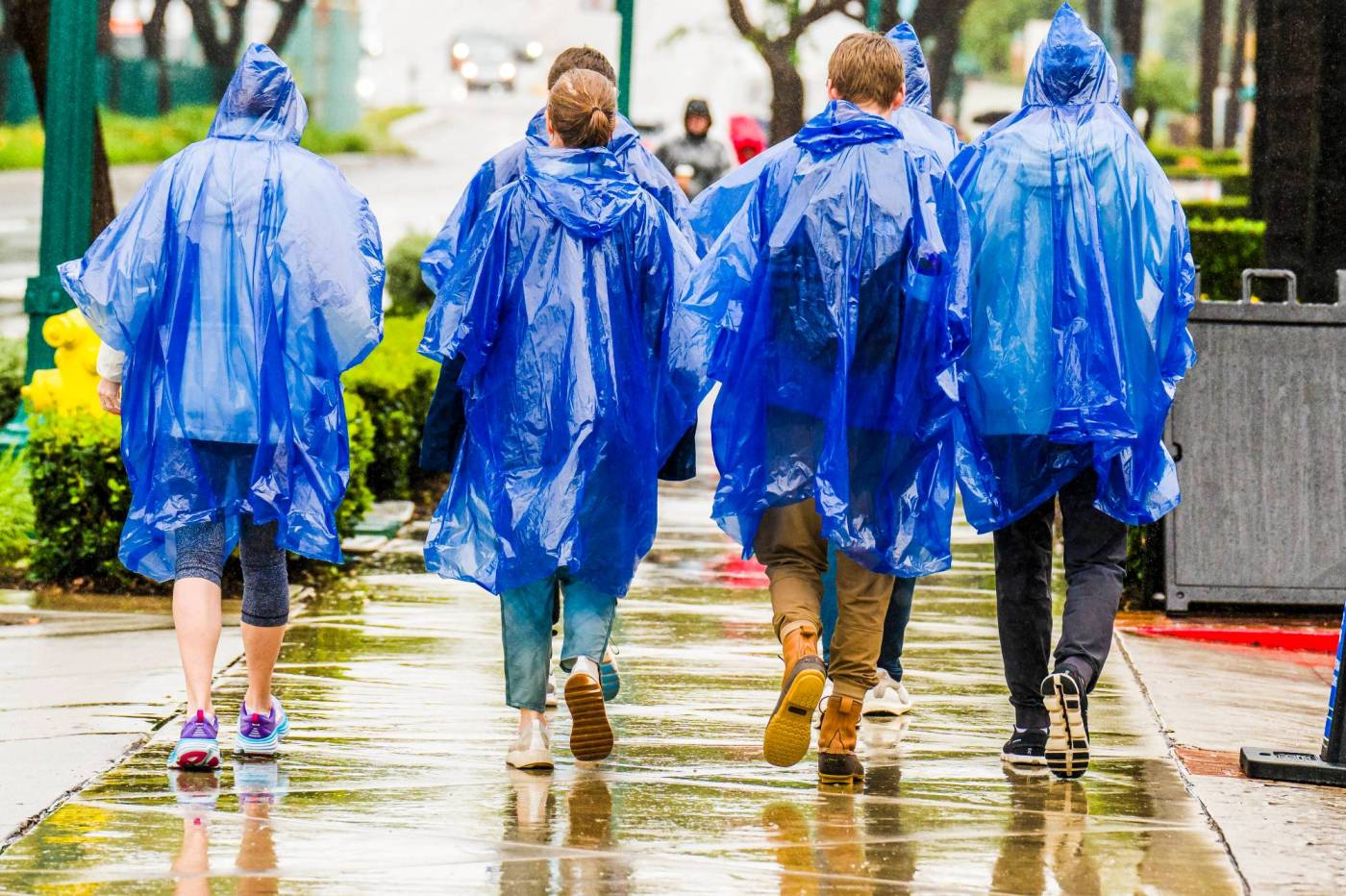
UPDATE: Southern California is reeling from a record-breaking Christmas storm, with the wettest Christmas Eve-Christmas Day in over five decades. Official reports from the National Weather Service confirm downtown Los Angeles received an astonishing 2.79 inches of rain, while Woodland Hills set a new benchmark with 4.64 inches recorded.
As the storm subsides, residents can expect a brief respite with sunny skies this weekend before another system approaches on New Year’s Day. The impact of this significant weather event is already evident, with the region experiencing its highest rainfall totals since 1971.
From December 24 to December 26, various areas in Los Angeles County reported exceptional rainfall. Noteworthy figures include 11.6 inches at Chilao South and 11.3 inches at Warm Springs Camp. Other locations like Cogswell Dam and Crystal Lake also saw impressive totals exceeding 10 inches.
The aftermath of the storm leaves the ground saturated, raising concerns about potential hazards as strong Santa Ana winds are forecasted to sweep through the region, with gusts reaching up to 60 mph starting Sunday night. Meteorologist Joe Sirard warns that the combination of saturated soil and high winds could lead to fallen trees and power outages, creating dangerous conditions for residents.
Looking ahead, rain is set to return as early as New Year’s Eve, with expectations of additional precipitation into January 2. Although this incoming storm is not predicted to match the intensity of the Christmas deluge, officials advise residents to remain cautious.
The National Weather Service highlights that the current storms have greatly benefited California’s water reservoirs, with levels reported above historical averages for this time of year. “That’s quite impressive, actually,” remarked Sirard, noting that downtown Los Angeles has already accumulated 76% of its average annual rainfall.
As Southern California braces for potential storms, residents are reminded to stay prepared and vigilant. The upcoming weather patterns will be closely monitored, and updates will follow as conditions develop.
Stay tuned for more updates on this evolving situation, and be sure to share this information with your community!