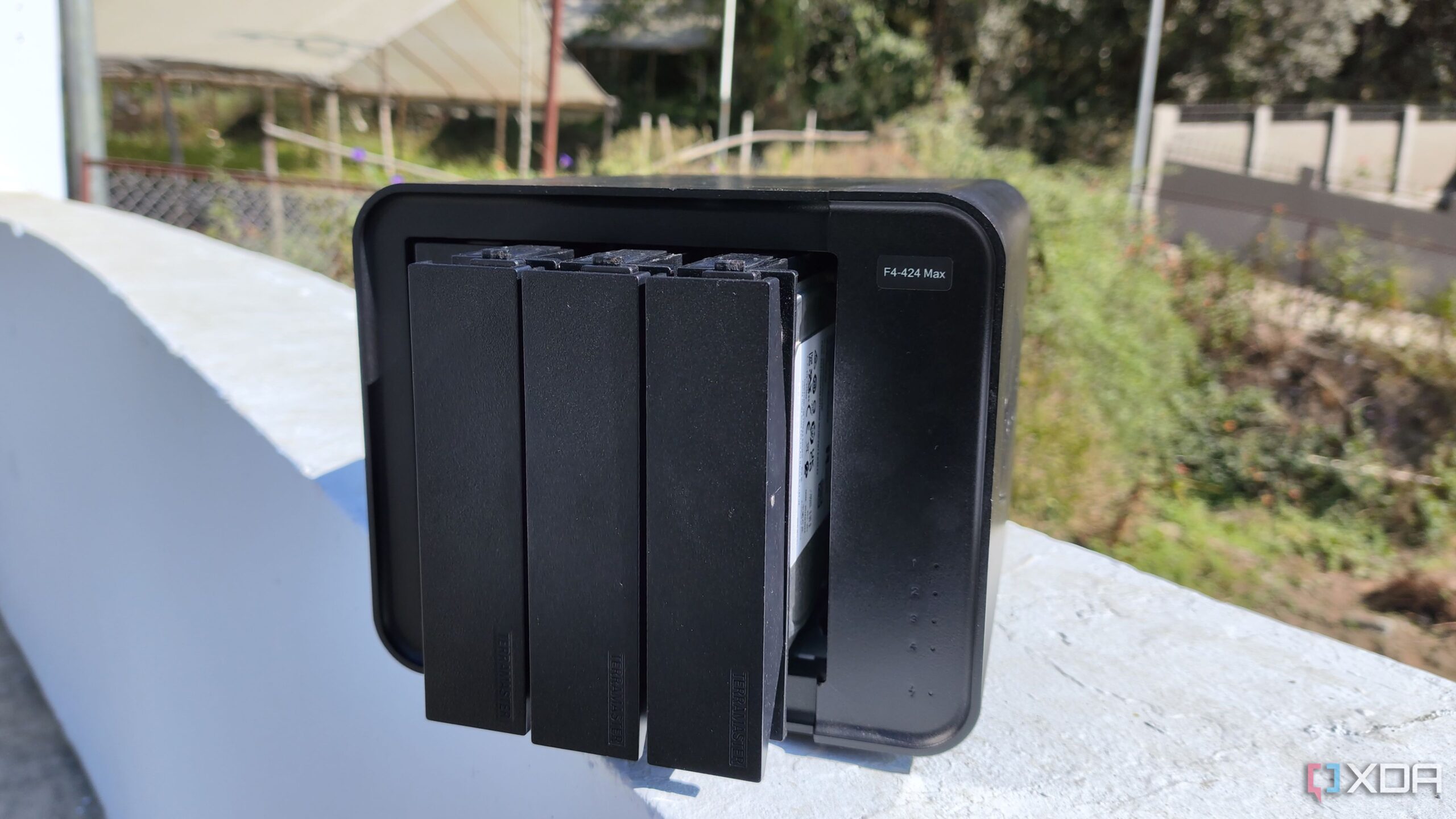
URGENT UPDATE: Experts reveal that RAID 5, once a top choice for data storage, is now facing significant criticism due to the limitations of modern, large HDDs. This evolving landscape is crucial for anyone considering building a Network-Attached Storage (NAS) server, as the effectiveness and reliability of RAID configurations are being called into question.
As technology advances, the operating system and file system used in NAS setups are proving to be vital components that directly affect performance and security. With the increasing size of hard drives, RAID 5’s traditional fault tolerance is becoming less effective, leaving users vulnerable to data loss. Experts stress that this could have dire consequences for individuals and businesses relying on NAS for their essential files.
Authorities in the tech community emphasize the importance of re-evaluating storage strategies. While RAID configurations (excluding RAID 0) can enhance fault tolerance, the reality is that RAID 5 may no longer meet the demands of today’s data-intensive environments. The emergence of larger HDDs means that the risk of failure increases, thus undermining the very reliability RAID 5 was designed to provide.
This situation is evolving rapidly, and users are urged to consider alternatives or supplementary solutions to ensure their data remains secure. As organizations and individuals navigate this critical juncture, the impact on data management strategies could be profound.
What happens next? Experts recommend an urgent reassessment of current storage practices. Users should explore newer RAID configurations or consider hybrid systems that include cloud solutions for added security. The tech community is closely monitoring how these developments will influence data storage choices in the coming months.
Stay tuned for more updates as this story continues to develop. Share your thoughts and experiences with RAID systems and data storage strategies on social media to engage with the ongoing conversation!