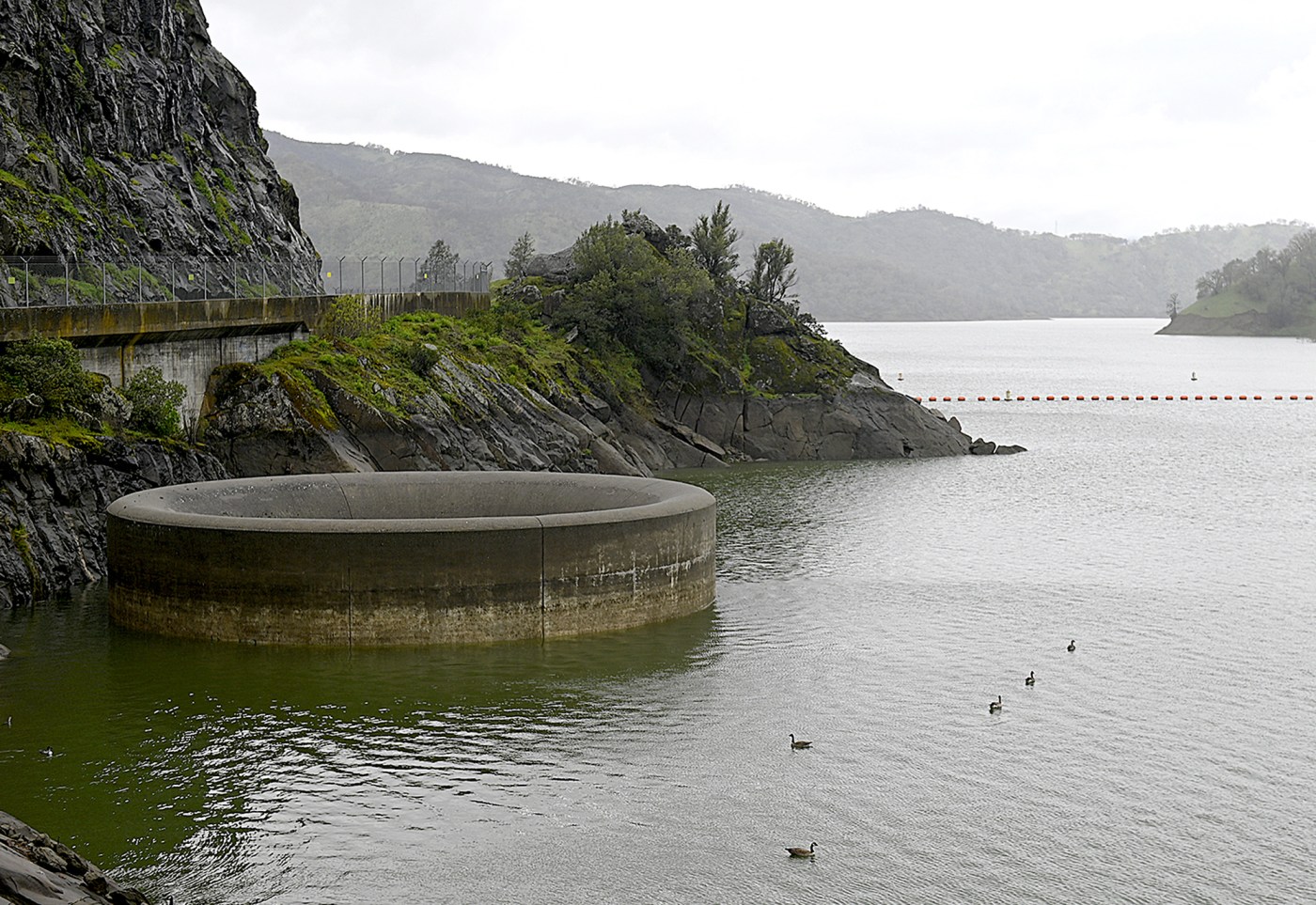
UPDATE: Major rainfall from recent atmospheric rivers has caused rapid increases in reservoir levels across Northern California, with officials confirming significant rises at both Lake Shasta and Lake Berryessa. As of December 25, 2023, Lake Shasta has seen an astonishing increase of 16 feet in just six days, now standing at 1,010 feet, surpassing historical averages for this time of year.
The California Department of Water Resources reports that this surge not only boosts water supplies but also enhances flood control measures and hydropower capabilities. Meanwhile, closer to the Bay Area, Lake Berryessa has experienced over 5 inches of rainfall since December 19, prompting its level to rise by more than a foot, reaching approximately 430.94 feet.
Both reservoirs are crucial for the region’s water management. While Lake Shasta is the largest reservoir in California, Lake Berryessa, managed by the federal Bureau of Reclamation, is equally vital for local water supplies. The lake’s capacity is 440 feet, and with the ground around it saturated, any further precipitation could quickly raise levels even higher.
Officials are keeping a close watch on the weather forecast. The National Weather Service warns that while December is currently active with storms, predictions for January lean towards drier conditions in Southern California, with mixed precipitation outlooks for the rest of the state. A weak La Niña pattern may contribute to these fluctuating weather conditions, although some models still indicate potential storm activity in Northern and Central California into early January.
As water levels continue to rise, residents and local officials are urged to stay informed about conditions at Lake Berryessa. For real-time updates, the Solano County Water Agency has set up a monitoring page available at scwamonitoring.com/LakeBerryessa.
This significant weather event highlights the critical importance of California’s water resources, especially as the state navigates its ongoing challenges with drought and water management. The immediate impact of these storms is being felt across communities reliant on these reservoirs, reinforcing the need for ongoing monitoring and preparedness as winter progresses.