







































The productivity app Notion is facing a notable exodus of users who are seeking faster and more efficient alternatives. After years of utilizing the platform, many have grown frustrated with its complexity and sluggish performance, particularly on mobile devices. As a result, users are increasingly turning to specialized tools that prioritize speed and user-friendly design.
Challenges with Notion’s Performance
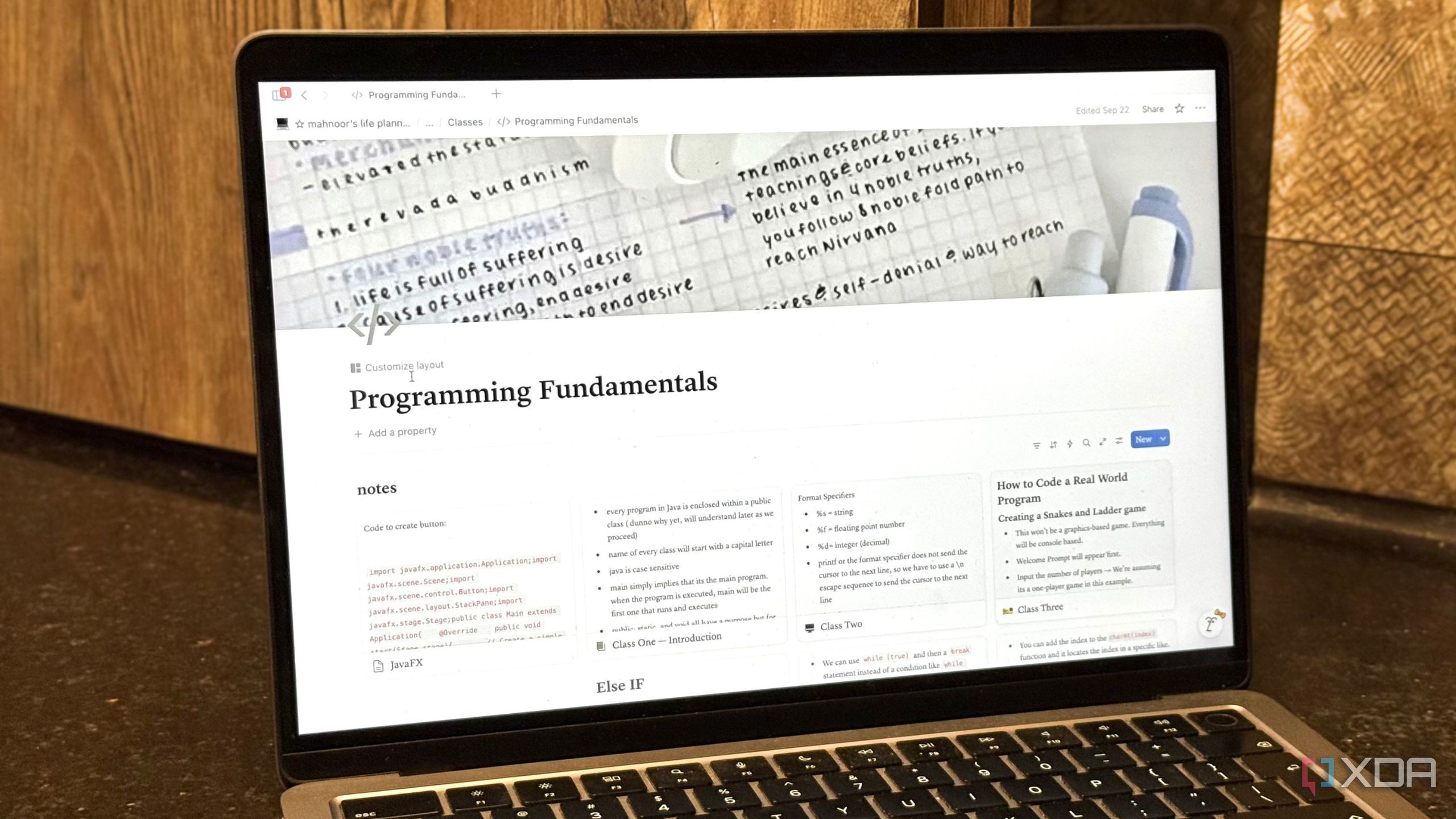
While Notion has positioned itself as an all-in-one workspace, the reality for many users has been less than ideal. The app’s desktop interface may appear sophisticated on larger screens, but the experience deteriorates significantly on mobile devices. Users report that navigating complex databases and extensive Kanban boards can be painfully slow, leading to a less than satisfactory experience.
One user notes, “To find a simple checkbox, I had to flick my thumb past my ‘Daily Intentions’ and go through three massive database views.” This frustration is compounded by the app’s layout, which does not translate well from desktop to mobile. Many users feel that the time spent managing the app, which some refer to as a “maintenance tax,” detracts from actual productivity.
The flexibility of Notion, while appealing, creates a paradox. Users often find themselves endlessly tweaking their setups instead of focusing on their core tasks. As one user observed, the time spent on adjustments and organization can overshadow the intended workflow, resulting in decreased efficiency.
The Shift to Specialized Tools
As dissatisfaction with Notion grows, the productivity landscape is shifting towards tools designed for speed and simplicity. Applications such as Obsidian and Logseq have gained traction among users who value data ownership and quick access to information. These platforms focus on local-first performance, which resonates with a privacy-conscious audience.
Newer tools like Tana, Capacities, and Anytype are innovating how users organize their information by utilizing nodes and objects, making them appealing alternatives to Notion’s more manual database approach. Additionally, project management tools such as ClickUp and Monday.com offer built-in features like time tracking and automation, addressing user needs for efficiency.
Within the Microsoft ecosystem, Microsoft Loop emerges as a formidable competitor, attracting users who are already integrated into Microsoft 365. These alternatives emphasize streamlined workflows and ease of use, drawing users away from the complexities of Notion.
While Notion once promised a comprehensive solution for productivity, many users now find that the all-in-one approach can lead to overwhelming complexity. It has become clear that there is no shortage of capable alternatives tailored to different user preferences and needs.
As users continue to explore these new options, it may be time for those feeling “Notion burnout” to consider making a switch. After all, achieving productivity doesn’t require a perfect system; it simply requires a tool that facilitates focus and efficiency.