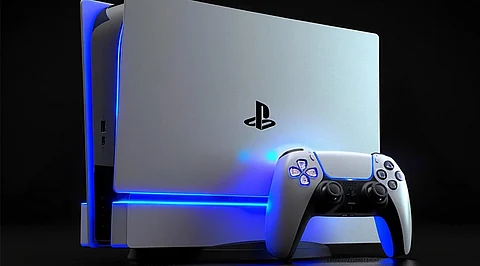
The anticipated launch of the PlayStation 6 could face delays due to a significant shortage of RAM, driven by escalating demand from the artificial intelligence (AI) sector. Initial expectations suggested a release window for the next-generation gaming console around late 2027 or early 2028. However, recent reports indicate that this timeline may not be definitive.
Concerns primarily stem from the ongoing RAM shortage, which has intensified as AI technologies continue to expand rapidly. As noted, Micron, a major player in the memory chip market, is expected to exit the consumer market in 2026, exacerbating supply issues. This situation places not only Sony but also other console manufacturers in a precarious position regarding product launches and pricing strategies.
Pricing Challenges and Market Conditions
Current trends suggest that if the situation does not improve, Sony may have to reevaluate its pricing for the PS6. In India, the console is projected to cost between Rs 75,000 and Rs 80,000, reflecting the rising component costs. These figures are speculative but highlight how the increasing prices of essential components could impact Sony’s traditional pricing model for its consoles.
The PS6 is rumored to feature a chipset developed in collaboration with AMD, codenamed Project Amethyst. This chipset is expected to utilize AMD’s next-generation Zen 6 CPU architecture and RDNA 5 graphics technology, which may include a neural processing unit (NPU). The integration of AI capabilities is anticipated to enhance gaming experiences through improved upscaling, superior lighting, and more efficient performance management.
While some experts believe that the industry may rebound in terms of production, the potential for delays remains concerning. The PS6 is expected to be equipped with around 30GB of unified memory, while a speculated handheld version might feature 24GB.
In summary, as the gaming community eagerly awaits the PS6, the combination of RAM shortages and rising component costs presents significant challenges. The gaming landscape is evolving, and how Sony navigates these obstacles will be crucial for its next console launch.