





































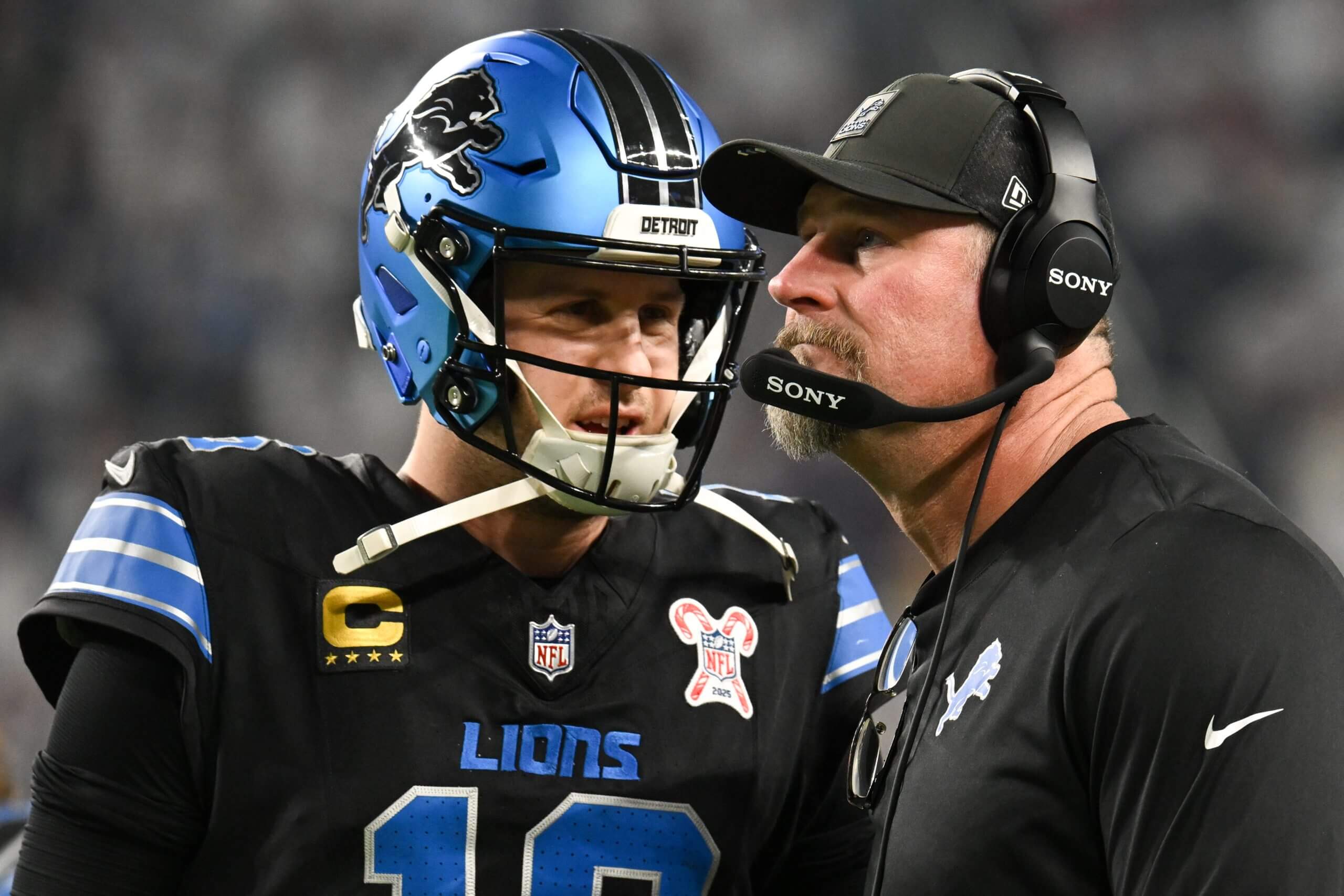
The Detroit Lions are bracing for a challenging offseason following their 23-10 loss to the Minnesota Vikings, marking the first time since 2022 that they will miss the postseason. Head Coach Dan Campbell acknowledged the pressing need for reflection and decision-making after the loss. “Brad and I will have a lot of decisions to make, you know, a lot of things to look at,” Campbell stated, emphasizing the need to determine how the team can improve moving forward.
As the Lions prepare to face the NFC North champion Chicago Bears on Sunday at 4:25 p.m. ET, Campbell must navigate a complex situation. The team is grappling with significant injuries, leading to strategic choices about player participation in a game that bears no playoff implications.
Injury Concerns Impacting the Team
The Lions are currently among the most injured teams in the NFL, with a total of 254 games missed due to injuries, second only to the Arizona Cardinals at 269. This season has seen key players sidelined, including star tight end Sam LaPorta, who underwent season-ending back surgery, and starting left guard Christian Mahogany, who missed six games due to a broken fibula. Additionally, the entire starting secondary has experienced time on injured reserve.
In the most recent match against the Vikings, the Lions faced further setbacks, with Penei Sewell leaving the game with an ankle injury and Amon-Ra St. Brown dealing with a knee issue. Given these circumstances, resting some veterans may be prudent, especially when considering the long-term future of the team.
Draft Positioning and Future Strategy
With their playoff hopes extinguished, the Lions are now eyeing the 2026 NFL Draft. As of now, they are projected to draft 15th overall, a position that could provide more opportunities to secure a higher-tier prospect. A higher draft pick could also allow the Lions to recoup lost draft capital from previous trades. Acquiring a talented edge rusher or an offensive tackle ready to transition to guard may bolster the team’s future plans.
The Lions’ situation also opens a discussion about the potential benefits of a fourth-place schedule in 2026. Teams that have finished fourth in their divisions, like the Bears and Patriots, have successfully leveraged easier schedules to bounce back in subsequent seasons. As the Lions prepare for their next opponent, they could find themselves facing lower-ranked teams from the NFC West, AFC South, and NFC East, which could significantly impact their performance next year.
While the prospect of a lighter schedule is enticing, it raises questions about the team’s competitive spirit. Campbell has consistently emphasized a winning mentality, and it may go against his philosophy to rest key players, even in a game without playoff stakes.
The Lions have the chance to finish with a winning record for the fourth consecutive season, an achievement not seen in Detroit since 1969-72. Given the significance of the upcoming match against the Bears, it remains to be seen how Campbell will balance the team’s immediate needs with long-term considerations.
As Campbell stated, “I expect everybody to be ready to go when we get back in a couple of days, be locked in and be ready when we get on a plane to go to Chicago.” This commitment to competitiveness underscores the complexity of the decisions facing the Lions as they approach the conclusion of their season. The outcome of the final game may significantly shape the narrative surrounding the team’s future.