




















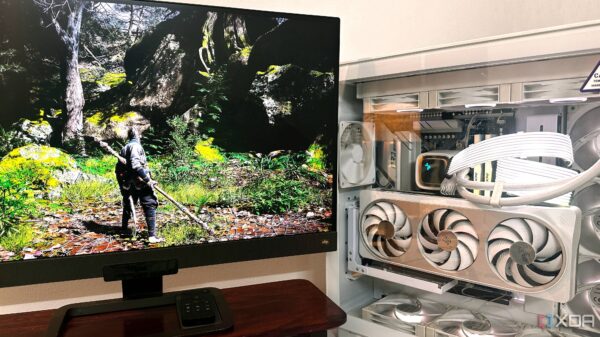
















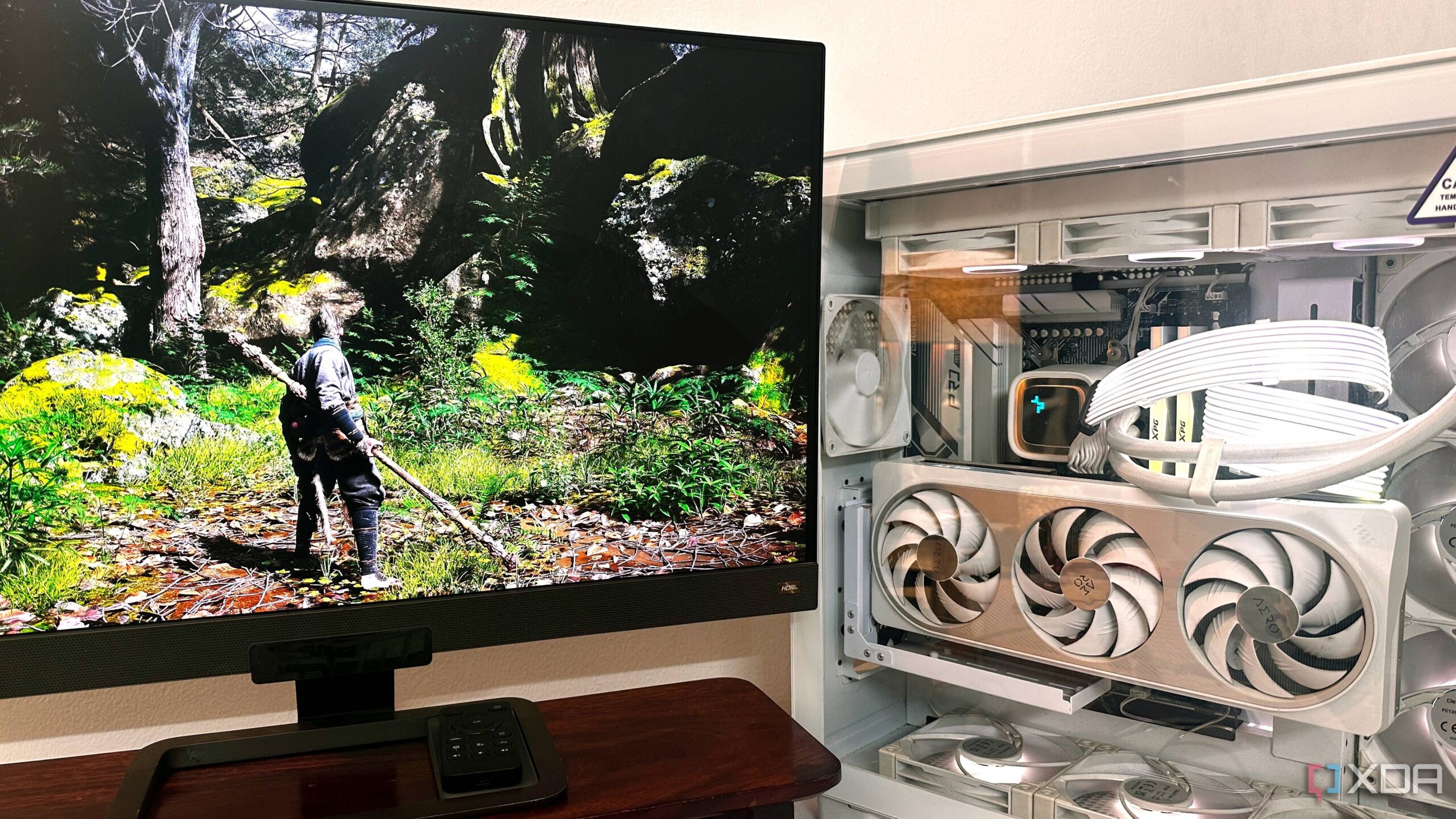
Gamers are on the lookout for advancements that enhance their gaming experience, and recent discussions highlight a significant shift towards asynchronous reprojection technology. This innovation promises to reduce latency and improve overall gameplay fluidity, setting a new standard for performance in competitive gaming environments.
The Promise of Lower Latency
Asynchronous reprojection is gaining attention for its ability to deliver a smoother experience regardless of frame rates. While technologies like Deep Learning Super Sampling (DLSS) have been instrumental in increasing frame rates—often at the expense of visual fidelity—this emerging technology prioritizes responsiveness. Gamers know that even the slightest delay can impact performance, making low latency crucial in high-stakes scenarios.
Many enthusiasts have already experienced the benefits of DLSS, which enhances frame rates by rendering images at a lower resolution and then upscaling them. Although it has proven effective in enhancing the gaming experience, asynchronous reprojection is viewed by many as the next step forward. Its capacity to provide a consistent response to player actions without the drawbacks associated with frame rate drops is particularly appealing.
A New Era for Competitive Gaming
As asynchronous reprojection technology develops, it is expected to become a pivotal feature in future gaming hardware and software. For competitive gamers, this means less time waiting for frames to catch up, allowing for more seamless and immersive gameplay. The technology is particularly beneficial in fast-paced games where milliseconds can determine the outcome of a match.
Looking ahead, the gaming community is eager to see how developers will integrate this technology into their titles. Asynchronous reprojection could redefine standards in PC gaming, offering players an experience that balances high frame rates with minimal latency. This potential transformation may attract not only seasoned players but also newcomers interested in competitive gaming.
The evolution of gaming technology continues to excite enthusiasts and professionals alike. Asynchronous reprojection stands out as a promising advancement that could shape the future of how games are played, ensuring that responsiveness remains at the forefront of the gaming experience. As the industry progresses, players can anticipate a shift that prioritizes both performance and enjoyment in their gaming journeys.