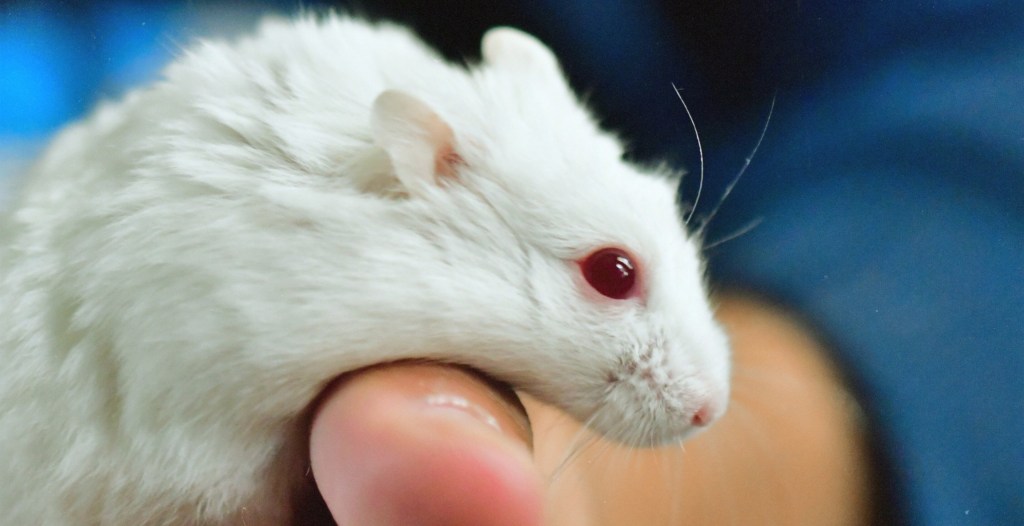
Researchers from Cornell University have made a significant discovery regarding the behavior of lab mice when they are released into a natural environment. In a recent study, the scientists took lab mice, typically raised in tightly controlled indoor conditions, and placed them in a large outdoor enclosure. This experiment allowed the animals to engage in natural behaviors such as digging, climbing, and burrowing while navigating real weather conditions and unfamiliar scents.
The findings, published in Current Biology, revealed that the mice displayed a notable reversal of anxiety behaviors after just one week outdoors. According to biologist Matthew Zipple, the change occurred without any medical intervention or prolonged treatment. Instead, exposure to a more diverse environment appeared to help the mice return to their baseline levels of anxiety.
“We put them in the field for a week, and they returned to their original levels of anxiety behavior,” Zipple stated in an interview with Cornell News. This observation is particularly intriguing given the conventional understanding that anxiety is often persistent, even with the use of anti-anxiety medications.
Understanding Anxiety Through Natural Behavior
To grasp the significance of this experiment, it is essential to consider how anxiety is typically measured in lab mice. Researchers often use the elevated plus maze, a platform designed with two enclosed arms and two exposed arms. Mice tend to explore the open arms but quickly retreat to the enclosed areas, which researchers interpret as a sign of anxiety. Once this behavior appears, it is often regarded as a stubborn trait.
In contrast, the mice that experienced the outdoor environment exhibited reduced fear responses. The shift in behavior suggests that navigating varied terrain and sensory experiences can diminish anxiety levels. Zipple elaborated on this idea, explaining that living in a more natural setting “both blocks the formation of the initial fear response, and it can reset a fear response that’s already been developed.”
Neurobiologist Michael Sheehan provided further insight into this phenomenon, drawing a relatable analogy. “If you experience lots of different things that happen to you every day, you have a better way to calibrate whether or not something is scary or threatening,” he explained. “But if you’ve only had five experiences, you come across your sixth experience, and it’s quite different from everything you’ve done before, that’s going to invoke anxiety.”
Implications of the Study
The research raises important questions about the nature of fear responses and how they may be influenced more by limited experiences rather than inherent traits. While the researchers caution against overextending their findings to human behavior—acknowledging that anxiety can stem from various factors, including trauma and biology—the study highlights how laboratory settings can affect animal behavior.
For these lab mice, the relief from anxiety came not from medication but from the opportunity to explore a more expansive world. This larger environment provided their nervous systems with richer information, ultimately leading to a significant reduction in anxiety behaviors.
As researchers continue to explore the implications of this study, the findings may prompt a reevaluation of how anxiety is understood and treated in both animals and potentially humans. The results suggest that broader experiences may play a crucial role in managing anxiety, pointing to the need for further studies in diverse environments.