







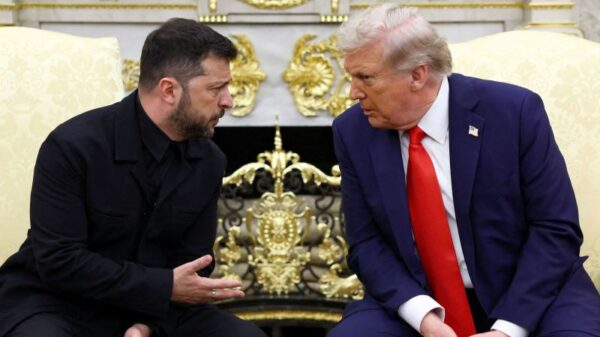



























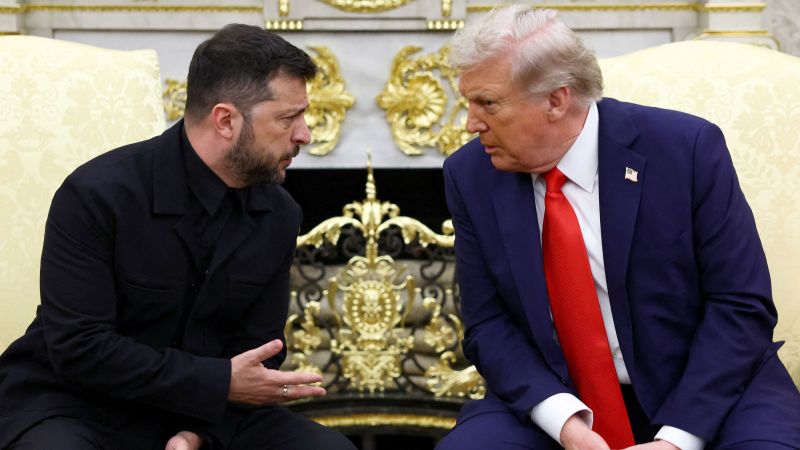
Ukrainian President Volodymyr Zelensky is set to meet with former U.S. President Donald Trump at the Mar-a-Lago estate in Florida on March 10, 2024. This meeting comes during a period of escalated military aggression from Russia, which has launched missile and drone strikes on Kyiv. The discussions aim to refine the ongoing peace negotiations, building on a previously proposed 28-point peace plan that Ukraine has since amended to 20 points.
The meeting, scheduled for 1 p.m. ET, follows intense diplomatic efforts led by American envoys to broker an agreement acceptable to both Ukraine and Russia. Trump, who has been in Palm Beach since December 20, is interrupting his holiday to engage in this pivotal dialogue. His decision to meet Zelensky reflects the advanced stage of negotiations, as he had previously indicated that discussions would only be fruitful if a deal was near.
According to a U.S. official, significant progress has been made in the talks, with 90% of the peace deal’s terms reportedly settled. Zelensky confirmed this assessment, stating, “It isn’t easy. No one is saying that it will be 100% right away, but nevertheless, we must bring the desired result closer with every such meeting, every such conversation.” The remaining 10% of issues, including contentious land concessions, remain unresolved. Russia continues to insist on its demands, particularly regarding the eastern Donbas region.
Challenges and Proposals in Peace Negotiations
Zelensky has shown a willingness to consider concessions, indicating that he would present the peace plan to a referendum if Russia agrees to a ceasefire. This is significant, as Ukraine’s constitution mandates that any border changes be approved by public vote. The U.S. has suggested “thought-provoking” solutions to overcome deadlocks, including the establishment of an economic free zone in eastern Ukraine.
One critical concern is the future of the Zaporizhzhia nuclear power plant, the largest in Europe, which is currently under Russian control. Zelensky has proposed that the plant be managed by a joint venture involving the U.S. and Ukraine, ensuring that 50% of the electricity generated would serve Ukraine while the remainder would be allocated by the U.S.
As the meeting approaches, Russia’s stance remains uncertain. Trump has previously labeled both Ukraine and Russia as obstacles to peace, and on the eve of the meeting, Russian President Vladimir Putin stated that if Kyiv is unwilling to engage peacefully, Russia would pursue its military objectives.
Expectations and Future Security Guarantees
Despite the ongoing violence, which included the launch of 519 drones and 40 missiles against Ukraine overnight, American officials express optimism about the meeting’s potential outcomes. Zelensky aims to finalize a framework for ending the conflict, focusing on securing guarantees from the U.S. to prevent further Russian invasions post-war.
A robust set of security guarantees, akin to NATO’s Article 5, was discussed in Berlin earlier this month among European, Ukrainian, and U.S. officials. This framework is designed to deter further Russian aggression, establish monitoring mechanisms, and outline consequences for violations of any eventual peace agreement.
Trump appears prepared to present these security guarantees to Congress, referring to them as the “platinum standard.” He believes these assurances could garner Russian acceptance, especially with indications that Russia might be open to Ukraine’s EU membership as part of a peace resolution.
The upcoming meeting is notably devoid of any European leaders, which contrasts with previous discussions that included a broader coalition. The dynamics between the U.S. and Ukraine are described as productive, although European officials acknowledge the unpredictability of outcomes when engaging with Trump.
In an interview, Trump expressed hope for a favorable meeting but reminded that Zelensky would need his approval for any agreements reached. The stakes remain high as both leaders prepare to address the complexities of a conflict that has persisted for nearly four years.