







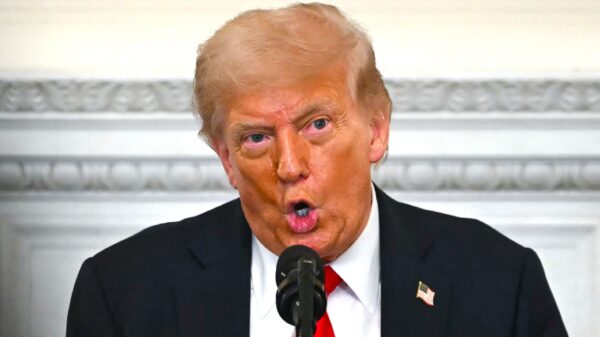





























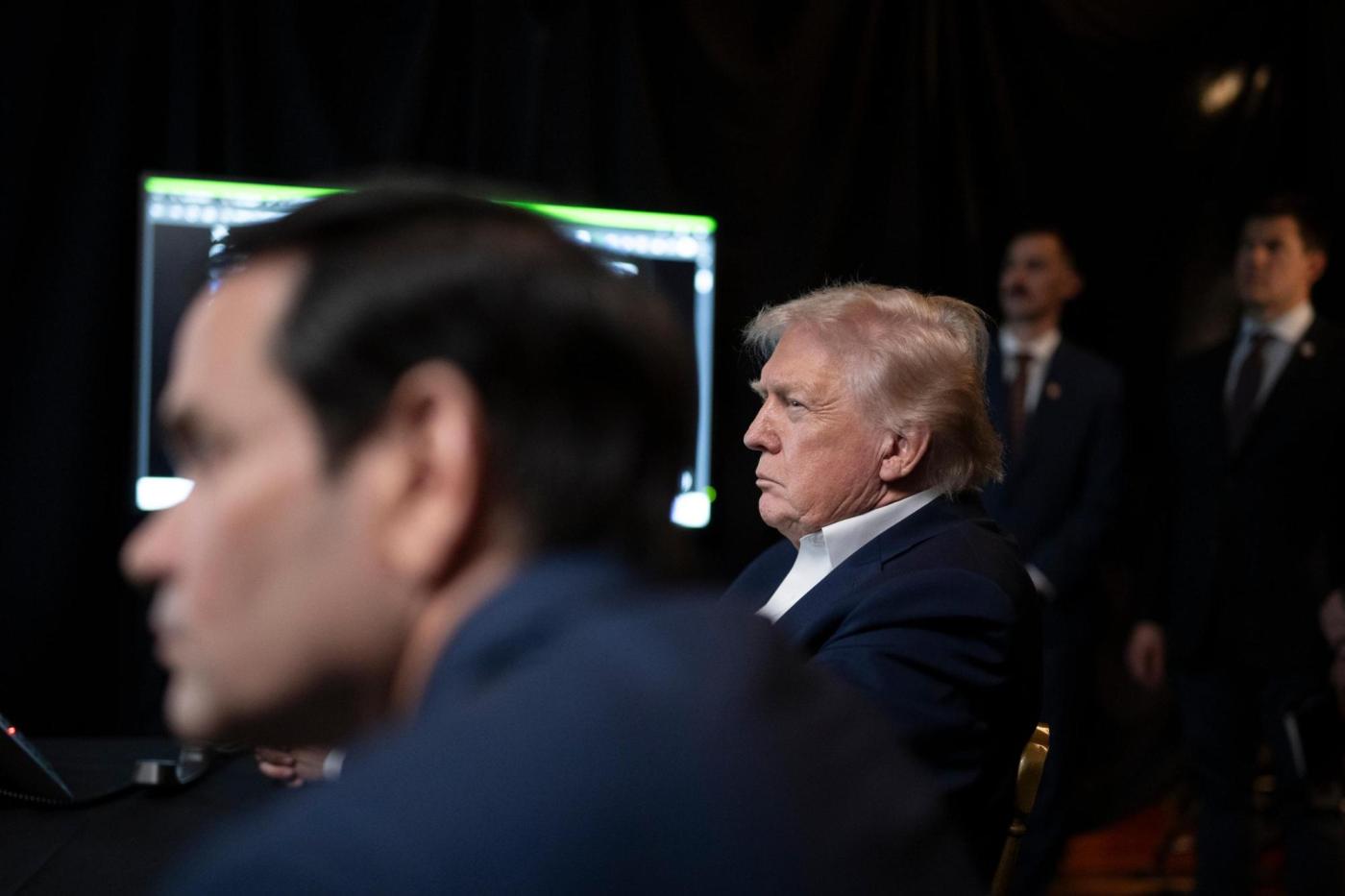
The Monroe Doctrine continues to shape American foreign policy, adapting to new geopolitical realities. Recently, the Trump administration’s stance on Venezuela added a contemporary corollary to this longstanding principle. This new approach draws from a 1904 provision introduced by President Theodore Roosevelt, asserting the United States’ right to intervene in Latin America under specific circumstances.
The roots of the Monroe Doctrine can be traced back to the early 19th century. Fears of European powers recolonizing newly independent nations prompted President James Monroe to take a stand. In December 1823, Monroe declared that the Western Hemisphere would no longer be open to colonization by European nations. He emphasized that any attempt to extend European influence would be considered a threat to American peace and safety.
Secretary of State John Quincy Adams played a crucial role in shaping this doctrine. He convinced Monroe to adopt a unilateral stance, suggesting that the United States should take responsibility for protecting its neighbors rather than relying on a partnership with Great Britain. This marked a significant shift in American foreign policy and established a precedent for future presidents.
In the years that followed, the Monroe Doctrine was invoked and reinterpreted by various leaders. President James K. Polk added a corollary in 1848 in response to European intervention in the Yucatán. He asserted that such involvement would contradict the Monroe Doctrine, although no action was taken at that time. As the United States grew in military and economic strength, it began to enforce the doctrine independently.
After the Civil War, Secretary of State William Seward demanded the withdrawal of French forces from Mexico, successfully supporting Mexican leader Benito Juárez in overthrowing Emperor Maximilian. This action underscored the United States’ commitment to the principles outlined in the Monroe Doctrine.
In 1898, the conflict between Spain and Cuba highlighted the doctrine’s evolving role. President William McKinley sought a declaration of war that, while not explicitly tied to the Monroe Doctrine, aligned with its goals of promoting American interests in the Caribbean.
The early 20th century saw President Theodore Roosevelt introduce his own corollary to the Monroe Doctrine. He asserted the United States’ right to exercise “international police power” in cases of chronic wrongdoing in the region. This justification allowed for U.S. military interventions in Central America and the Caribbean, expanding the doctrine’s reach beyond just preventing European intrusion.
Throughout the 20th century, various presidents interpreted the Monroe Doctrine in ways that matched their foreign policy objectives. Woodrow Wilson combined diplomatic efforts with military pressure, while Franklin Roosevelt shifted towards a non-interventionist policy with his “Good Neighbor” strategy. The doctrine resurfaced during the Cold War, particularly under President Dwight D. Eisenhower, and was notably invoked during the 1962 Cuban Missile Crisis by President John F. Kennedy.
Later, Ronald Reagan applied the doctrine’s principles in El Salvador and Nicaragua, while George H. W. Bush justified military action in Panama with reference to the Monroe Doctrine. In 2013, Secretary of State John Kerry proclaimed the Monroe Doctrine effectively dead, suggesting a shift in U.S. policy amid changing global dynamics.
Despite this declaration, the increasing presence of China in Latin America indicates that the Monroe Doctrine’s legacy remains relevant. As political tides shift, the doctrine is likely to be revived whenever U.S. policymakers find it advantageous. The recent actions of the Trump administration echo Roosevelt’s assertiveness, showing that the Monroe Doctrine never truly vanishes; it simply awaits the next leader willing to invoke its enduring principles.
The enduring nature of the Monroe Doctrine demonstrates its pivotal role in shaping U.S. foreign policy and its ongoing relevance in a rapidly changing world.