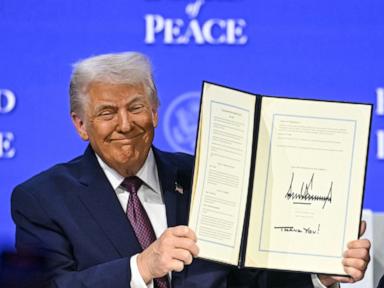
President Donald Trump inaugurated a signing ceremony for the newly formed Board of Peace during the World Economic Forum in Davos on January 18, 2024. In his opening remarks, Trump described the day as “very exciting,” asserting that the board would become one of the “most consequential bodies” ever created. He emphasized the initiative’s potential to initiate a transformative era for the Middle East and promote global safety.
“This is the first step toward a brighter day for the Middle East,” Trump stated. He expressed confidence in the board’s ability to “end decades of suffering” and to foster a lasting peace in the region. More than 30 countries have reportedly accepted Trump’s invitation to join the initiative, although significant European allies remain hesitant.
Despite the enthusiasm from Trump, the absence of commitments from major European nations has raised eyebrows. Countries such as France, Norway, and Sweden have either declined the invitation or expressed reservations. Meanwhile, nations like Germany, the United Kingdom, and Italy have yet to make a definitive statement regarding their participation.
Details of the Board of Peace Initiative
Trump was joined on stage by several leaders from countries that agreed to sign the initiative. Steve Witkoff, the U.S. special envoy, confirmed in a recent interview that approximately 25 countries had accepted the invitation. The White House had extended invitations to over 50 world leaders, with expectations that nearly 30 countries would ultimately join.
Trump suggested that he could potentially chair the Board of Peace for life, noting that contributions of $1 billion to the board are voluntary. “The Board of Peace will be the most prestigious board ever, and it’s going to get a lot of work done that the United Nations should have done,” he remarked.
The initiative has drawn mixed reactions from U.S. allies. Witkoff’s comments indicate that acceptance of the board could lead to a significant shift in international relations, particularly concerning the U.N.’s role in peacekeeping and conflict resolution.
Challenges Ahead for Trump’s Vision
Further complicating matters, Russian President Vladimir Putin confirmed that Russia received an invitation to join the board, despite ongoing tensions related to the invasion of Ukraine. Putin indicated that the proposal primarily concerns resolving issues in the Middle East, specifically addressing humanitarian concerns in Gaza.
As of Thursday morning, over 20 countries had confirmed their participation, including Albania, Egypt, Saudi Arabia, and Turkey. Trump characterized the board as a unique opportunity, saying, “This is the greatest board ever assembled, and everybody wants to be on it.”
In contrast, Yvette Cooper, the U.K.’s foreign secretary, publicly stated that the U.K. would not sign on, citing concerns regarding Putin’s involvement in peace discussions without any commitment to resolving the conflict in Ukraine.
The Board of Peace was initially proposed last year with a focus on managing and rebuilding Gaza, but its charter outlines a broader mission as an “international organization” aimed at resolving conflicts worldwide. The charter indicates that nations accepting the invitation will receive a three-year membership term, with permanent status granted to those contributing over $1 billion within the first year.
Trump’s plan faces skepticism from allies, as its scope appears to extend beyond the immediate concerns of Gaza to a more expansive agenda of global peacebuilding. Regardless of the challenges, the Board of Peace marks a significant diplomatic effort with the potential to reshape international relations and conflict resolution strategies.