A daughter, known as “Yuck Factor in Texas,” has expressed her distress over her father’s affectionate nicknames for his new wife. After being married for 50 years, the father remarried a year after the death of his first wife, prompting a series of emotional challenges for his daughter.
The father, aged 82, became engaged to his new partner just two months after meeting her. While the daughter acknowledges her father’s right to find happiness, she feels that his behavior has disrespected her mother’s memory. Notably, he made several missteps during the transition, including announcing his engagement on social media before informing family members and introducing his new wife at a memorial service for his late spouse.
Personal Struggles with New Family Dynamics
The daughter has undergone therapy to cope with the changes but continues to struggle with her father’s new relationship. Recently, her frustration peaked when he began referring to his new wife using endearing terms such as “child bride,” “beloved bride,” and “blushing bride.” These names, particularly unsettling as they mirror her deceased mother’s name, have left her feeling uncomfortable and hurt.
Her breaking point came when he called her his “lover,” leading the daughter to question whether she has the right to ask him to stop using such affectionate nicknames. She feels that these terms are not simply harmless expressions of love; instead, they feel like a painful reminder of her mother’s absence.
The daughter expressed her mixed feelings about her father’s remarriage, stating, “I’m OK with him being remarried — happy for him — but it feels like he’s bragging about his ability to remarry or something. It’s gross, and I find myself afraid to even call him anymore.”
Advice from Dear Abby
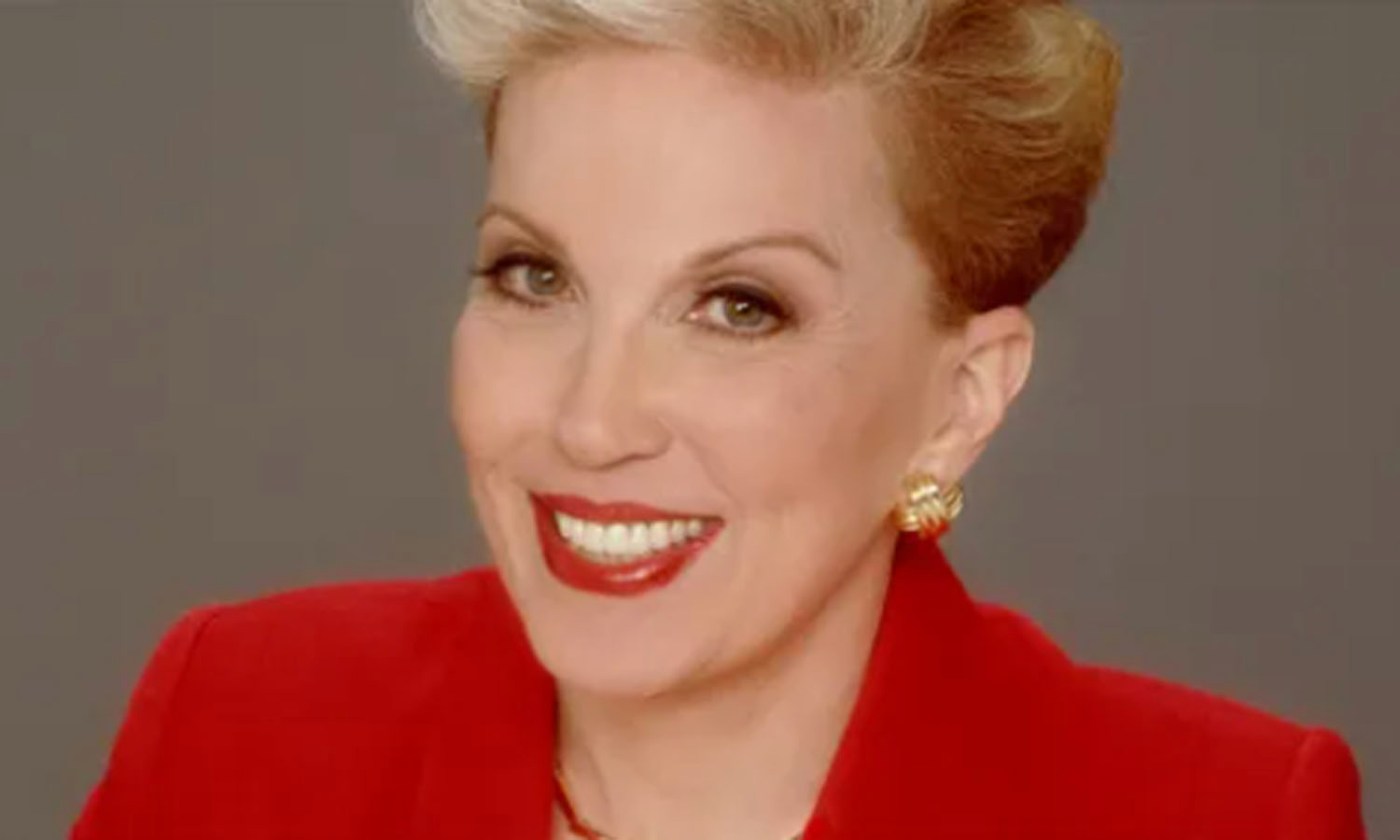
In response to the daughter’s concerns, renowned advice columnist Abigail Van Buren, also known as Jeanne Phillips, acknowledged the situation. She suggested that the father is likely still in the “honeymoon phase” of his new marriage, which often leads to overly affectionate behavior. Van Buren encouraged the daughter to consider that her father might not be intentionally disrespecting her mother’s memory.
“I sincerely hope you will avail yourself of counseling before you resent your father even more for his happiness,” Van Buren advised.
Ultimately, this situation highlights the complexities that can arise in family dynamics after the loss of a loved one. As relationships evolve, the emotional impact can be significant, prompting individuals to seek support and understanding as they navigate their feelings.