
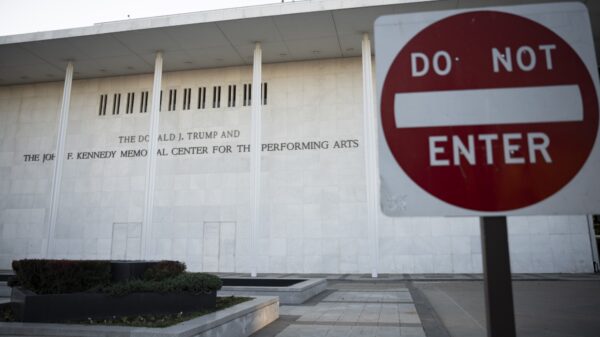








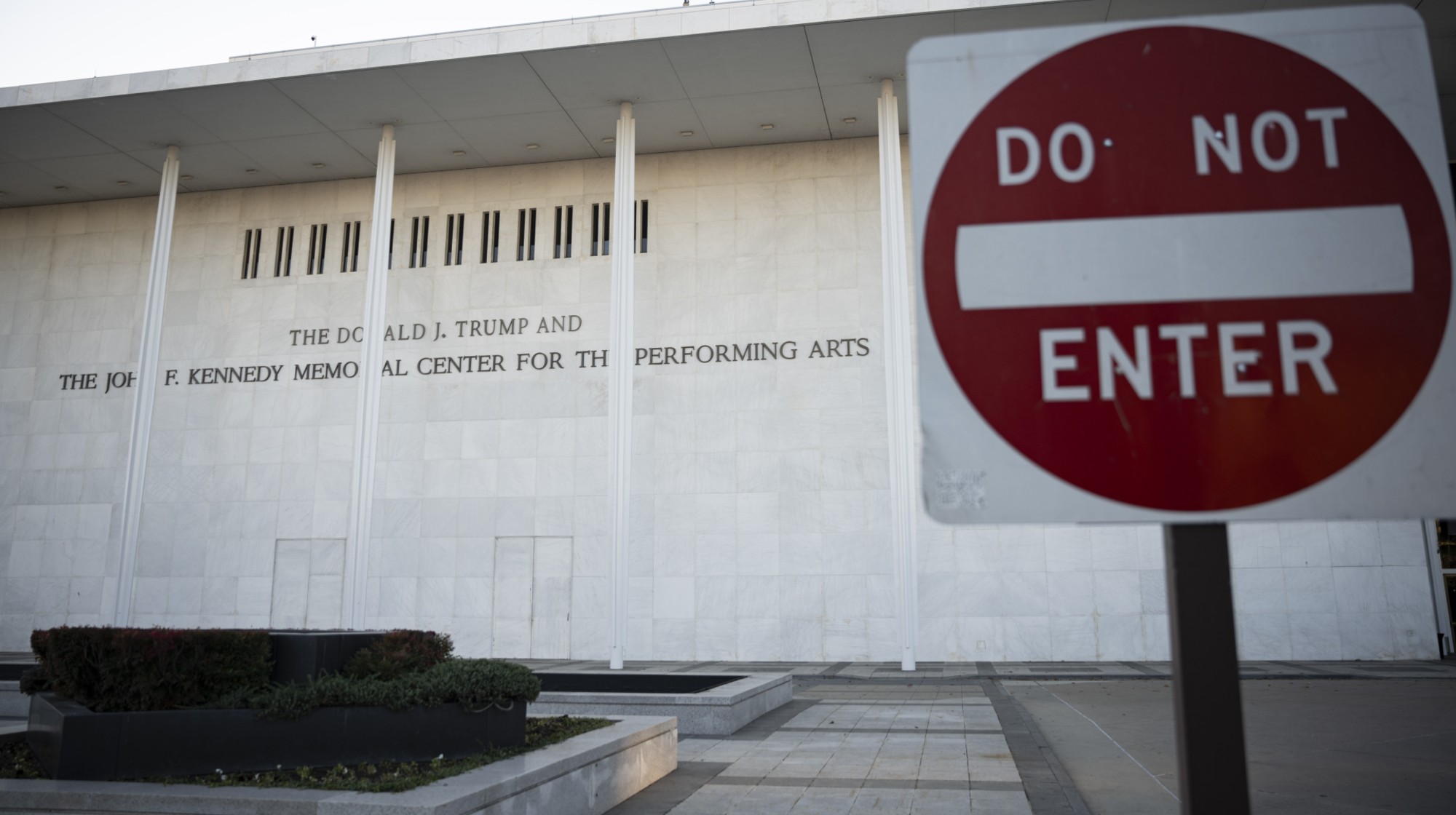
The John F. Kennedy Center for the Performing Arts is facing significant backlash following the recent addition of President Donald Trump’s name to its iconic concert hall. The board’s decision, made in mid-December, aimed to symbolize “unequivocal bipartisan support” for the renowned cultural institution, according to Vice President for Public Relations Roma Daravi. However, this move has triggered a wave of cancellations by prominent performers, many of whom cite the controversial renaming as their primary reason for withdrawing.
Several artists have canceled performances scheduled for the end of December and beyond. The jazz band The Cookers announced they would not be performing their two New Year’s Eve shows, a decision compounded by the prior cancellation of the annual Christmas Eve Jazz concert. The New York Times reported that these cancellations are intensifying the fallout from the center’s rebranding.
Musician Chuck Redd also chose to cancel his longstanding holiday performance, known as the “Jazz Jams,” which he has hosted since 2006. He expressed his discontent after noticing the name change on the Kennedy Center’s website. Redd stated, “It’s disheartening to see this once-great institution altered in such a manner,” in comments to The Associated Press.
Additionally, the New York-based dance troupe Doug Varone and the Dancers announced they would not participate in an upcoming performance slated for April. Varone shared on Instagram that the decision stemmed from the recent renaming, asserting, “We can no longer permit ourselves nor ask our audiences to step inside this once-great institution.”
Financial Stakes and Artist Integrity
This latest wave of cancellations follows a spring backlash when numerous high-profile artists distanced themselves from the Kennedy Center after Trump named himself the institution’s chairman. According to Mediaite, these recent decisions by artists are “not symbolic gestures.” They involve “real money, professional risk and decisions artists did not make lightly.”
Musician Kristy Lee highlighted the personal stakes involved, explaining on social media that while her performances contribute to her livelihood, “losing my integrity would cost me more than any paycheck.”
The situation has provoked a strong response from the Kennedy Center’s President, Richard Grenell, a known ally of Trump. In a letter obtained by ABC News, Grenell threatened a $1 million lawsuit against Redd, labeling his cancellation as “classic intolerance” and accusing him of employing “sad bullying tactics.” Grenell claimed that the cancellations have resulted in substantial losses for the center, stating, “Your dismal ticket sales and lack of donor support, combined with your last-minute cancellation, have cost us considerably.”
Grenell’s remarks have drawn criticism, as they suggest that the political implications of the renaming only became apparent after artists voiced their objections. Critics argue that labeling dissenting artists as extremists diverts attention from the initial decision that sparked the controversy.
The Broader Impact on the Arts
As the Kennedy Center continues to navigate this turmoil, the implications for performers and the broader arts community remain significant. The cancellations illustrate a growing divide in the cultural landscape, where political decisions increasingly affect artistic expression and institutional support.
With the Kennedy Center planning to pursue legal action after the holidays, the ongoing conflict serves as a stark reminder of how deeply intertwined politics and the arts have become in recent years. The outcome of this situation may set a precedent for future interactions between artists and cultural institutions in a politically charged environment.