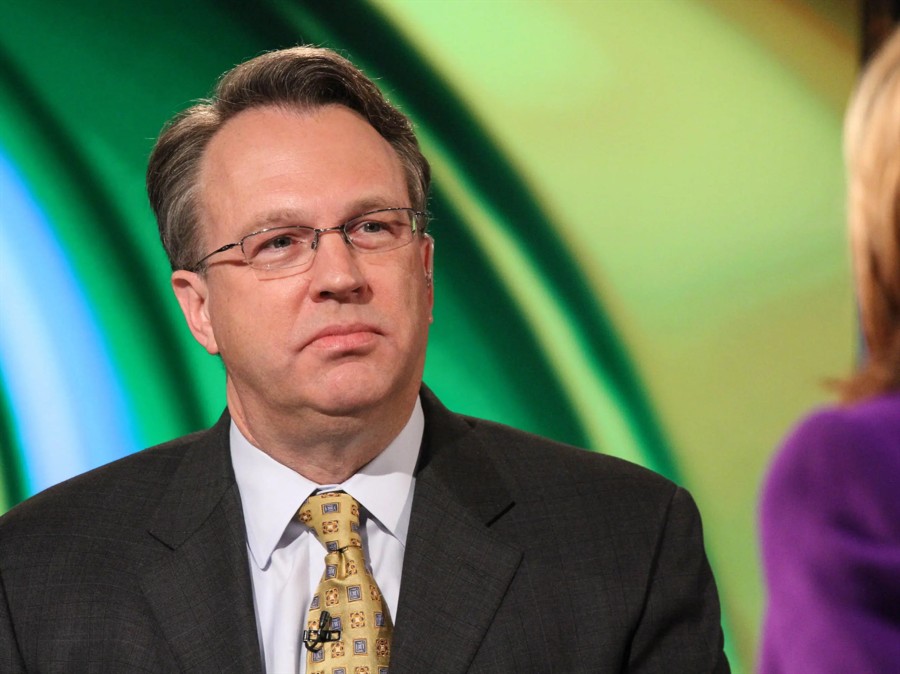
Federal Reserve Bank of New York President John Williams has signalled a steady approach to U.S. monetary policy, indicating that interest rates are nearing a neutral stance. During a recent event hosted by the Council on Foreign Relations, Williams stated that the Federal Reserve is well positioned to manage economic risks while aiming to guide inflation back to its target of 2% by 2027. He emphasized that there is no immediate need to resume interest-rate cuts.
In his prepared remarks, Williams explained that the Federal Open Market Committee (FOMC) has transitioned from a modestly restrictive policy towards a neutral stance following a series of rate cuts last year. This shift positions the Fed to stabilize the labour market while effectively addressing inflation concerns. He noted that restoring price stability remains an “imperative,” but acknowledged that the balance of risks has shifted in light of current economic conditions.
As the labour market shows signs of cooling, Williams highlighted an increase in downside risks to employment, while upside inflation risks have lessened. He stressed the necessity for the Fed to lower inflation without causing significant damage to job growth, reinforcing a cautious and data-driven approach to policy-making.
Positive Economic Outlook for 2026
Looking ahead, Williams described the economic forecast for 2026 as “quite favourable,” predicting U.S. growth between 2.5% and 2.75%. He anticipates that the unemployment rate will stabilize this year before gradually declining in the following years. Regarding inflation, Williams expects price pressures to peak between 2.75% and 3% in the first half of 2026, eventually easing to approximately 2.5% by the end of the year, with the aim of reaching the 2% target by 2027.
Williams also pointed out that inflation trends, excluding tariff impacts, appear to be “mostly favourable.” He noted that the effects of tariff-related price increases should diminish over time, although he recognized that U.S. consumers have largely borne the burden of tariff-driven inflation.
The remarks reinforce the perception that the Fed is currently in a holding pattern after reducing rates by 75 basis points last year, bringing the federal funds target range to 3.5% to 3.75%. While policymakers included the possibility of one further rate cut in their December projections, Williams reiterated that there is no immediate need for additional easing.
Political Pressure and Central Bank Independence
These comments come amidst increased political scrutiny of the central bank. Recently, Jerome Powell, the Fed Chair, disclosed that the Federal Reserve had received grand jury subpoenas related to a renovation project. Powell described this situation as an infringement on the Fed’s independence, underscoring the challenges facing the institution.
Despite the surrounding noise, Williams maintained a consistent message focused on careful, data-driven policymaking. The next FOMC meeting is scheduled for January 27-28, with analysts expecting the Fed to hold rates steady.
As the economy continues to evolve, the Federal Reserve remains committed to its dual mandate of fostering maximum employment while maintaining stable prices, guiding the nation through a complex economic landscape.