








































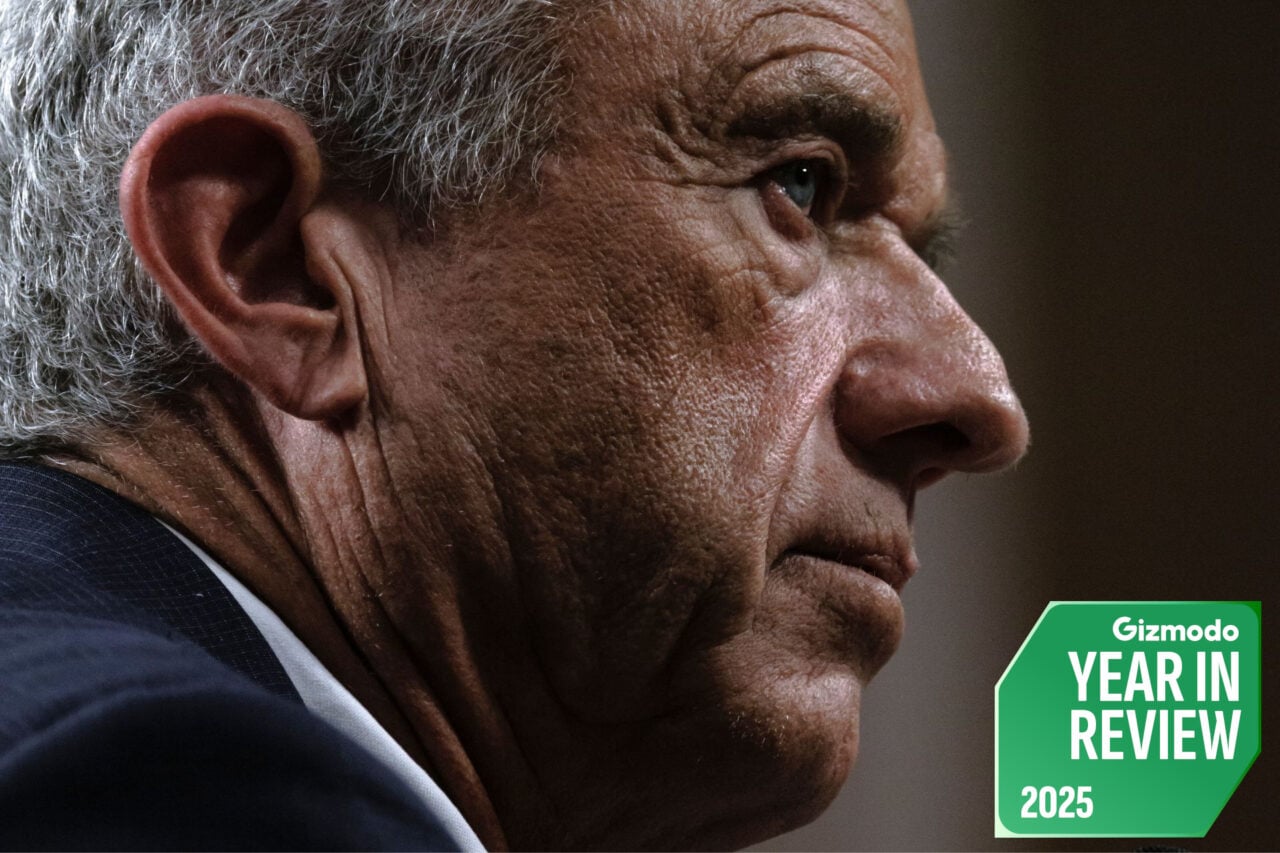
Public health in the United States has faced significant challenges in 2025, with many attributing the deterioration to the actions of Robert F. Kennedy Jr., the Secretary of Health and Human Services (HHS). Since his appointment in February, Kennedy has made controversial decisions that critics argue have undermined the nation’s public health infrastructure, emboldened misinformation, and compromised the integrity of health agencies.
One of the most notable actions taken by Kennedy was the dismissal of all 17 members of the Advisory Committee on Immunization Practices (ACIP) in June 2025. This panel, organized by the Centers for Disease Control and Prevention (CDC), has traditionally guided vaccine policy in the U.S. Following the dismissal, Kennedy replaced these experts with individuals aligned with his anti-vaccination stance. This shift has raised alarms, particularly after the new ACIP voted to overturn a longstanding recommendation for all U.S. children to receive the hepatitis B vaccine at birth, a policy that had significantly reduced infection rates.
Kennedy’s influence appears to have extended beyond the ACIP. In a move that many deemed alarming, he orchestrated the firing of former CDC director Susan Monarez just weeks into her tenure. Monarez later testified that her dismissal resulted from her refusal to endorse the ACIP’s recommendations without proper review. This incident has led to several senior officials resigning in protest, indicating a growing discontent within the CDC regarding Kennedy’s agenda. Demetre Daskalakis, a former director at the CDC, stated that “federal public health has now been compromised—it has been taken over by ideology.”
Impact of Funding Cuts on Public Health Research
The repercussions of Kennedy’s policies are not limited to personnel changes. His administration has implemented sweeping job and funding cuts across various scientific branches, notably affecting the National Institutes of Health (NIH). Reports indicate that Kennedy has approved the termination of billions in federal grants that support health departments and research initiatives, often without full awareness of the implications. Notably, in August, HHS announced it would revoke nearly $500 million in funding for mRNA vaccine research, despite the proven efficacy of these vaccines.
These funding cuts have tangible effects. Hundreds of clinical trials involving approximately 74,000 patients have been disrupted, while many early-career scientists have lost critical resources essential for their research and professional development. As a result, the scientific community is facing increasingly difficult conditions.
Kennedy’s policies have further contributed to the resurgence of vaccine-preventable diseases. In 2025, there have been nearly 2,000 reported cases of measles across 47 outbreaks, marking the highest number since the disease was virtually eliminated in the U.S. twenty-five years ago. The country’s potential loss of its measles-free status has raised serious public health concerns, with experts noting that weakened vaccination rates and increased anti-vaccination sentiment have exacerbated the situation.
Controversial Statements and Misinformation
In September, Kennedy and former President Donald Trump stirred controversy by suggesting a potential link between the use of acetaminophen, commonly known as Tylenol, during pregnancy and autism. Despite the lack of substantial evidence supporting such claims, Kennedy maintained that studies were underway to confirm this theory. This assertion has been met with skepticism from the medical community, which continues to endorse acetaminophen as a safe option for pain relief during pregnancy.
Kennedy’s rhetoric often ventures into unverified territory, with claims that range from the dangers of chemtrails to the alleged epidemic of children with mitochondrial dysfunction. Although some of his statements may highlight real issues, they often lead to misguided solutions that fail to address the root causes of public health challenges.
This trend is evident in the Kennedy administration’s response to mass shootings, where he proposed funding studies exploring the link between antidepressant medications and violent behavior. While mass shootings pose a growing public health threat, existing research has not substantiated a causal relationship between these medications and such acts.
As 2025 progresses, Kennedy’s track record raises questions about the future of public health in the United States. With critical public health issues requiring immediate and effective responses, Kennedy’s approach seems unlikely to provide the necessary solutions. As the nation grapples with these challenges, the potential consequences of his policies remain a significant concern for public health advocates and citizens alike.
























