








































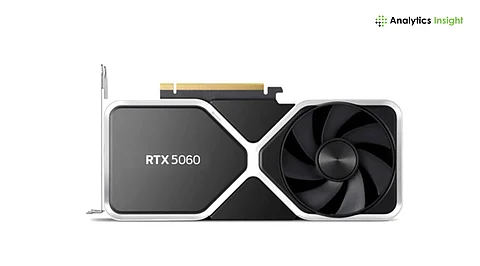
NVIDIA has launched an innovative, community-driven initiative called ‘You Vote, We Build,’ allowing gamers in India to collaboratively select each component of a custom desktop built around the upcoming GeForce RTX 5060. The initiative began on December 6, 2023, and culminates with one participant winning the final machine.
The voting process is straightforward. Each day, NVIDIA GeForce India posts a component for voting on its official Instagram account. The rounds of voting are organized as follows: GPU voting on December 6, CPU on December 8, motherboard on December 10, chassis on December 12, CPU cooler on December 14, and PSU on December 16. Participants must comment on their chosen components to validate their entry. To maintain eligibility, users must engage in all six voting rounds, as missing any step disqualifies them from the giveaway.
Key Dates and Announcements
The complete PC build is set to be revealed on December 18, 2023. Following the reveal, NVIDIA plans to share performance benchmarks on December 24, 2023, giving gamers insights into the RTX 5060’s capabilities across various workloads. The winner of the giveaway will be announced on December 25, 2023, randomly selected from users who participated in all voting rounds. It is important to note that only one entry per participant is permitted, and duplicate comments will not enhance winning chances.
In an effort to engage participants beyond the main prize, NVIDIA is also running mini-giveaways, offering Rs. 20,000 worth of Steam codes on select posts. These smaller prizes aim to keep gamers active and engaged throughout the campaign, ensuring they remain involved in the voting process.
Eligibility and Campaign Impact
This campaign is exclusively available to legal residents of India. NVIDIA has emphasized that valid entries must complete all voting rounds, reinforcing the importance of consistent participation. The excitement surrounding the RTX 50-series GPUs has already generated considerable buzz within the PC gaming community. NVIDIA’s interactive approach not only fosters community engagement but may also serve as a strategic move to attract more Indian gamers into its ecosystem ahead of the next GPU cycle.
As the campaign unfolds, it will be interesting to observe whether this initiative is perceived purely as a community experiment or as a calculated strategy by NVIDIA to strengthen its presence in the competitive gaming market in India. The outcome could have significant implications for both NVIDIA and the gaming community as they embrace the next generation of technology together.
























