






































US President Donald Trump has raised alarms among American airlines by threatening sanctions on the Canadian aerospace sector. In a social media post, he announced plans to “decertify all aircraft made in Canada” and impose a 50% tariff on planes manufactured in the country. This declaration comes as Trump accuses Canada of “wrongfully, illegally, and steadfastly” failing to certify US-built Gulfstream aircraft. Although the White House later clarified that existing Canadian jets would not be affected, the potential implications for US airlines and passengers remain significant.
With many regional operations in the US relying on Canadian-manufactured aircraft, the fallout from such a decision could be profound. A closer examination of the operations of major airlines reveals how integral these jets are to their services.
American Airlines and Regional Operations
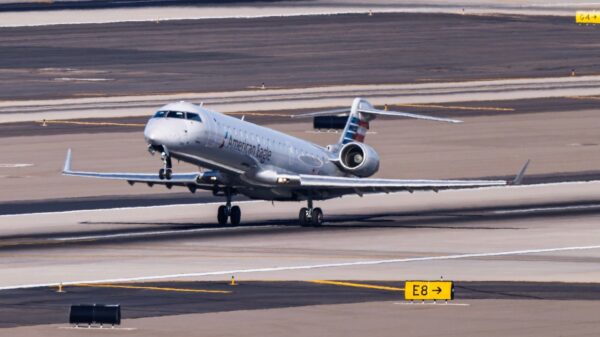
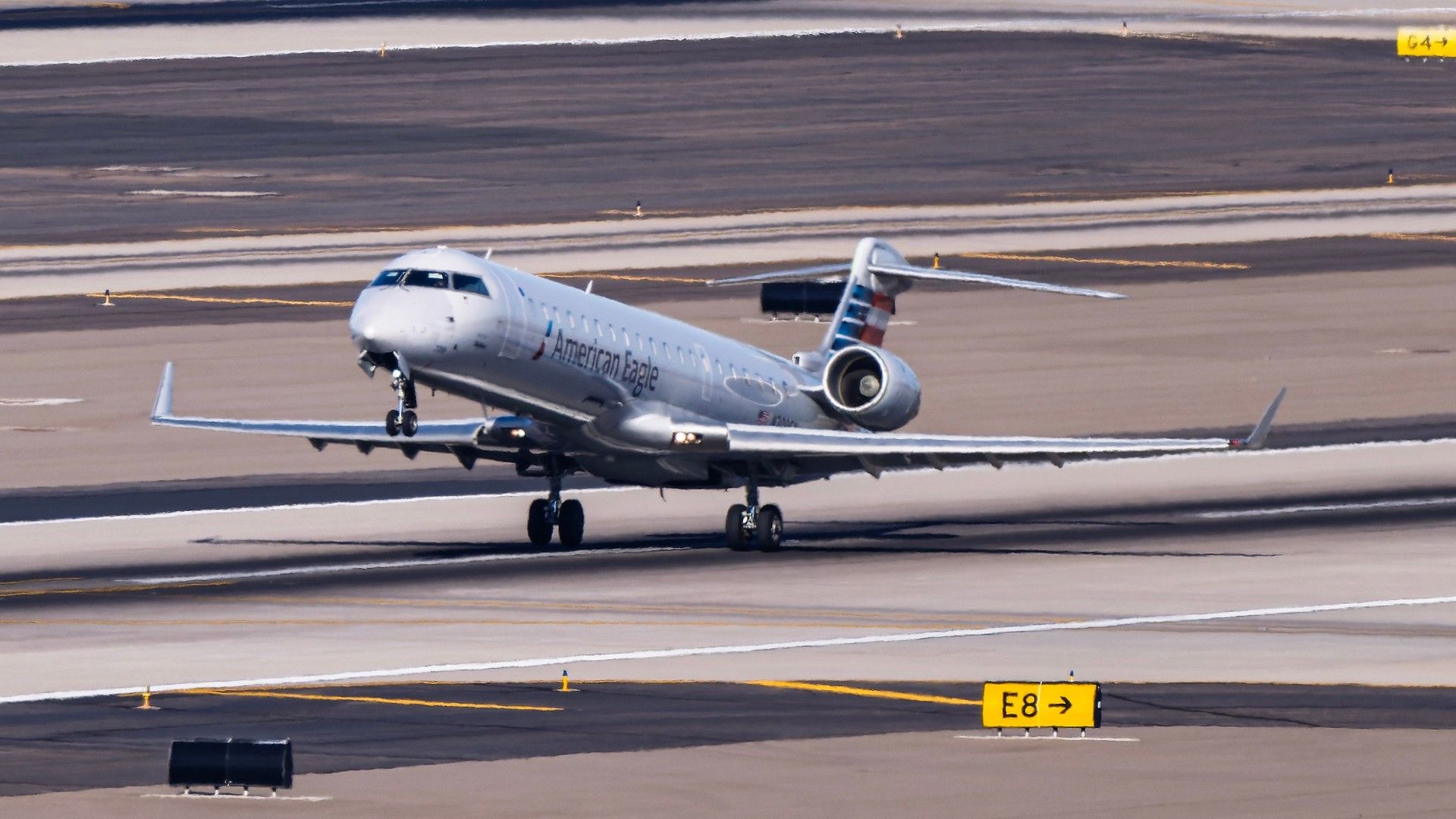
American Airlines, for instance, has scheduled a staggering 81,499 regional flights under its American Eagle brand for February 2024, according to data from Cirium, an aviation analytics company. While not all these flights utilize Canadian aircraft, a substantial number do. Specifically, 28,345 flights will be operated by Bombardier CRJ700 and CRJ900 jets, providing nearly two million seats for passengers. If the decertification were to proceed, it would pose a significant challenge for American Airlines and its regional partners.
In response to the announcement, Bombardier stated, “We have taken note of the post from the President of the United States on social media and are in contact with the Canadian government.” This highlights the urgency of the situation as stakeholders on both sides of the border assess the potential impacts.
Delta Air Lines and the Dependence on Bombardier
Similarly, Delta Air Lines relies heavily on Bombardier’s CRJ family of aircraft for its operations under the Delta Connection brand. Data from Cirium shows that of the 46,822 regional flights scheduled for February, a noteworthy 26,876 will be operated by Bombardier jets. This reliance translates to a massive capacity of around two million seats offered through these aircraft, primarily operated by Endeavor Air and SkyWest Airlines.
The implications of decertification extend beyond American carriers. Canadian airlines also play a crucial role in cross-border services. For instance, Air Canada has scheduled over 2,500 flights to and from the US in February, with the potential for fare increases if tariffs are imposed.
The Impact on United Airlines
Among the three major US legacy carriers, United Airlines is projected to be the least affected by the possible decertification. Data indicates that only around 1 million seats on United Express flights will involve Bombardier aircraft this February. Specifically, 19,648 services are planned with Bombardier jets, compared to 33,334 using Brazilian-built Embraer aircraft.
As the situation develops, the aviation industry is left contemplating the ramifications of Trump’s threats. A decertification order could lead to canceled flights and increased fares, ultimately impacting passengers who rely on these regional services. The stakes are high, not only for the airlines but also for the customers they serve.